
In a world constantly shifting toward digital connectivity, few industries have evolved as rapidly as gaming. From its humble beginnings as a niche hobby to its present-day status as a global entertainment juggernaut, gaming has become a central part of modern culture. Whether it’s playing on your phone during your morning commute, battling fierce opponents in massive online multiplayer games, or immersing yourself in virtual worlds with cutting-edge technology, the gaming landscape is continually changing. This blog post explores the fascinating world of gaming, its evolution, and the culture that surrounds it.
The Early Days: A Glimpse into the Origins of Gaming
The story of gaming begins long before the rise of high-tech consoles and VR experiences. The origins of gaming can be traced back to simple, yet groundbreaking, experiments in computer science and technology. In the 1950s, computer scientists began experimenting with interactive technology, but it wasn’t until the early 1970s that the world saw its first real video game.
The game Pong, created by Atari’s founder Nolan Bushnell in 1972, is often credited as the birth of the video game industry. This simple two-dimensional tennis game introduced the idea of digital gameplay, allowing players to interact with a screen using a paddle to hit a ball back and forth. Though rudimentary by today’s standards, Pong was revolutionary and became a massive commercial success, marking the beginning of the video game era.
The 1980s ushered in the golden age of arcade games, with iconic titles such as Space Invaders, Pac-Man, and Donkey Kong dominating gaming centers around the world. During this period, gaming was a social activity, with players gathering in arcades to compete for high scores and show off their skills. These early games laid the foundation for the vast and diverse gaming genres that would later emerge.
The Rise of Home Consoles and the Gaming Revolution
As technology advanced, so did the ways in which games were played. The 1980s saw the birth of home consoles, with systems like the Nintendo Entertainment System (NES) and the Sega Genesis bringing gaming into the living room. This shift from arcade cabinets to personal home systems made gaming more accessible and laid the groundwork for the massive growth of the industry in the following decades.
The introduction of these home consoles marked the beginning of a more immersive, long-form gaming experience. Titles such as Super Mario Bros., The Legend of Zelda, and Sonic the Hedgehog were not just games—they were entire worlds waiting to be explored. These games had intricate stories, engaging gameplay mechanics, and colorful graphics that captivated players, turning gaming into a more profound cultural experience.
In addition to consoles, personal computers (PCs) also became a major platform for gaming during this time. The release of Doom in 1993, for example, revolutionized the first-person shooter genre and became one of the most influential games of its time. Doom was one of the first games to implement multiplayer functionality over the internet, a feature that would later evolve into the thriving online gaming community we know today.
The Advent of Online Gaming: Connecting Players Around the World
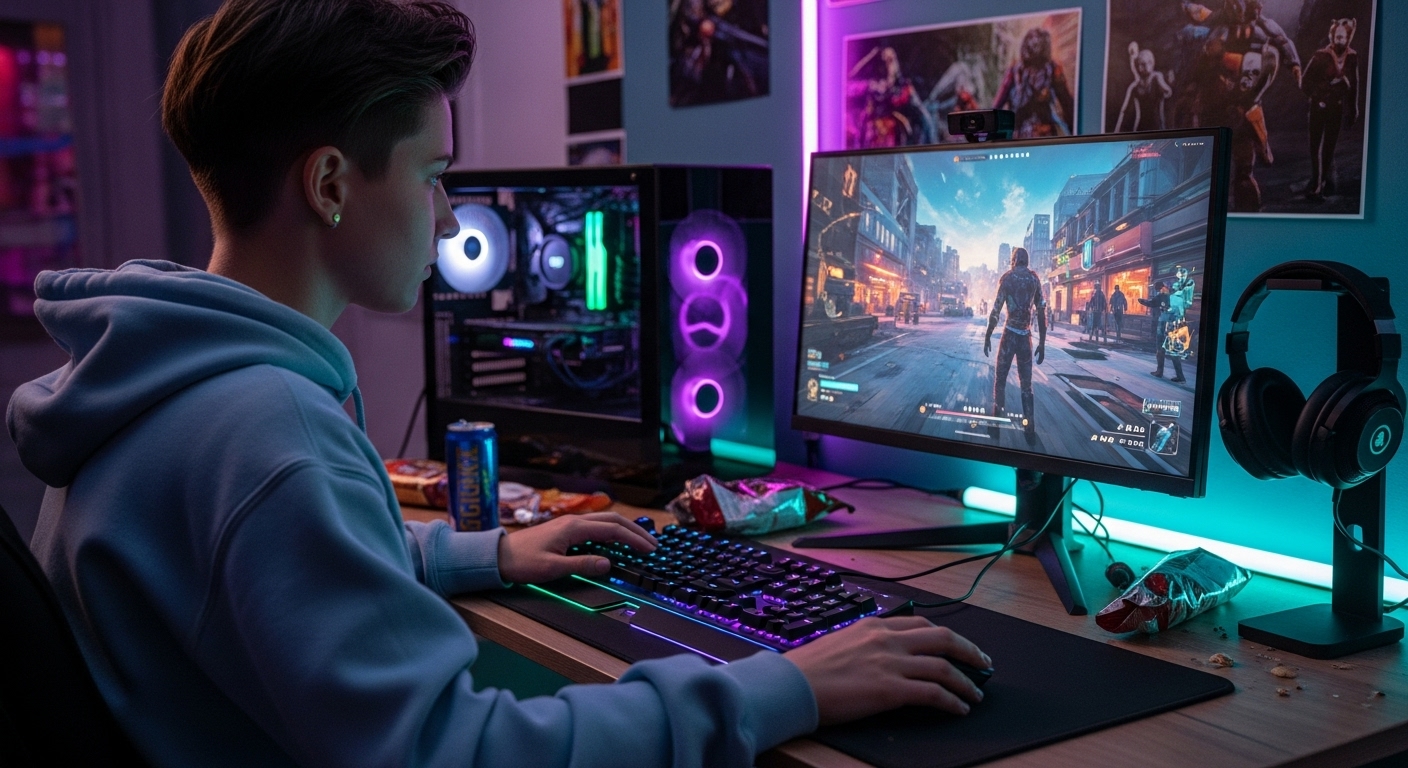
As the internet became more widespread in the late 1990s and early 2000s, a new frontier opened up for gaming: online multiplayer experiences. Games that could be played with friends from across the globe transformed the way people interacted with video games. Early examples of this shift include Quake, Warcraft, and StarCraft, which allowed players to compete or cooperate in real-time, changing the dynamics of gaming from a solitary activity to a shared, global experience.
The introduction of massively multiplayer online games (MMOs) in the 2000s further fueled the online gaming boom. Titles like World of Warcraft, EVE Online, and Guild Wars created vast digital worlds that allowed thousands, even millions, of players to interact with one another in real-time. These games became not just games but digital communities, where people could form lasting friendships, join guilds, and participate in large-scale virtual events. The idea of virtual economies, player-driven content, and social interaction became central to gaming culture.
Online gaming, however, wasn’t limited to the PC. The consoles quickly caught up, with Sony’s PlayStation Network, Microsoft’s Xbox Live, and Nintendo’s Wi-Fi Connection all offering players the opportunity to play together online. The advent of online multiplayer significantly expanded the global gaming community, turning gaming from a pastime into a social experience.
Mobile Gaming: A New Era of Accessibility and Casual Play
By the late 2000s, mobile phones began to play a major role in gaming. The release of smartphones such as the iPhone brought powerful processing capabilities into the hands of billions. Games that could be played on-the-go quickly became popular, with titles like Angry Birds, Candy Crush, and Clash of Clans dominating app stores and attracting millions of players.
Mobile gaming introduced an entirely new audience to video games, reaching people who had never considered themselves gamers before. The simplicity and accessibility of these games made them incredibly popular with casual players, allowing people to enjoy quick gaming sessions during commutes or breaks. The rise of free-to-play games with in-app purchases also helped revolutionize the gaming business model, providing a steady revenue stream for developers and making gaming accessible to an even wider demographic.
As mobile phones became more powerful, so did the games on these platforms. Augmented reality (AR) games like Pokémon GO broke new ground by merging the physical and digital worlds, encouraging players to get outside and explore their surroundings while engaging with the game. The combination of real-world exploration and gaming created an unprecedented cultural phenomenon, demonstrating the potential for mobile games to transcend traditional boundaries.
The Rise of Esports: Gaming as a Competitive Spectacle
Esports has become one of the most rapidly growing sectors in the gaming industry. What started as casual online competitions has evolved into a global industry worth billions of dollars. Esports refers to professional, organized video game competitions, often featuring multiplayer games like League of Legends, Dota 2, Counter-Strike: Global Offensive, and Fortnite. Players now compete for cash prizes, sponsorships, and international recognition, while millions of fans watch live streams of these competitions on platforms like Twitch and YouTube.
The global scale of esports has transformed the way we view gaming. Esports events are held in massive arenas, with packed stadiums and millions of viewers watching online. These events are often broadcast on television and attract corporate sponsorships from major brands. Players have become celebrities in their own right, with a dedicated fan base and professional teams behind them.
Esports has also led to the development of an entire ecosystem that includes coaching, streaming, tournament organizers, and content creators. The rise of competitive gaming has shown that gaming can be just as engaging and legitimate as traditional sports, offering players a chance to make a career out of their passion for video games.
The Evolution of Gaming Technology: Virtual Reality, Artificial Intelligence, and Beyond
As the gaming industry continues to grow, the technology that powers games is advancing at an unprecedented rate. Virtual reality (VR) has become one of the most exciting innovations in gaming, offering players fully immersive experiences. VR headsets like the Oculus Rift, PlayStation VR, and HTC Vive allow players to enter virtual worlds where they can interact with their surroundings in ways that were once unimaginable.
Augmented reality (AR) also plays a significant role in the future of gaming. Games like Pokémon GO proved that blending the virtual and real worlds can create engaging and novel experiences. As AR technology improves, we may see more games that use real-world environments as their canvas, opening up new possibilities for gaming.
Artificial intelligence (AI) is another area of gaming that continues to evolve. In the past, AI was used primarily for creating non-playable characters (NPCs) with limited behaviors. Today, AI is being used to create more complex, responsive, and dynamic game worlds. Games like Red Dead Redemption 2 showcase the potential of AI, where NPCs have their own routines and behaviors, making the world feel alive and reactive.
Moreover, cloud gaming, which allows players to stream games directly from servers without the need for powerful hardware, is becoming a game-changer. Platforms like Google Stadia, Microsoft’s xCloud, and Nvidia’s GeForce Now are allowing players to access high-quality games on almost any device, making gaming more accessible than ever before.
Gaming Culture: A Global Phenomenon
Gaming has evolved from a niche hobby to a global cultural phenomenon. Today, gaming is no longer just for teenagers or a specific subculture—it is for people of all ages, backgrounds, and interests. Gaming culture has become a significant part of mainstream entertainment, influencing everything from music to fashion to language. Characters, stories, and franchises have become iconic elements of popular culture, with games like Super Mario, Zelda, Final Fantasy, and Call of Duty having lasting impacts on both the gaming world and broader society.
Social gaming has also become a major part of the experience. Platforms like Twitch, YouTube Gaming, and Discord have allowed players to connect with one another, share content, and build communities. These communities have become a place for like-minded individuals to gather, discuss their favorite games, and build friendships across geographical borders.
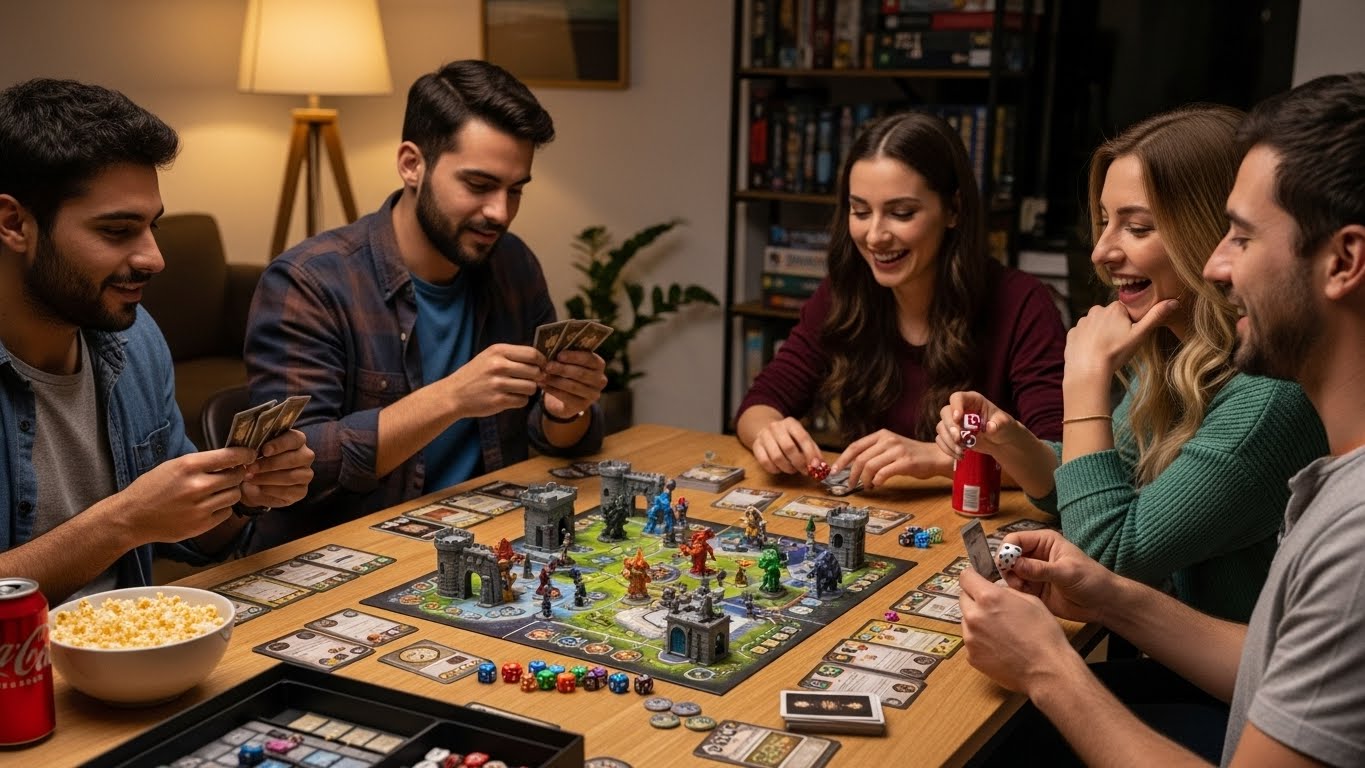
One of the most powerful aspects of gaming is its ability to bring people together. Whether it’s through online multiplayer games, local co-op sessions, or gaming conventions, players share experiences that foster friendships and create lifelong memories. Gaming has a unique ability to bridge gaps between cultures, languages, and generations, creating a global community united by a shared passion.