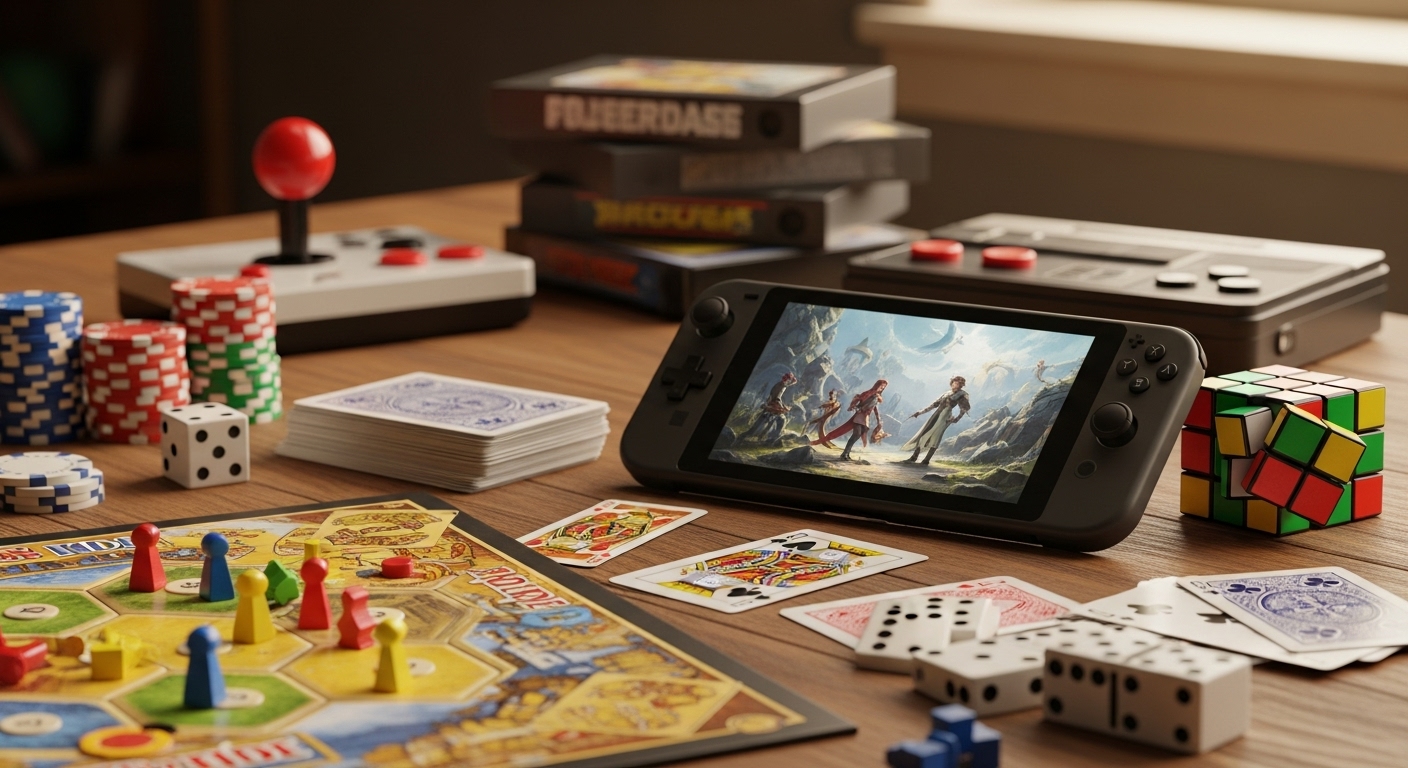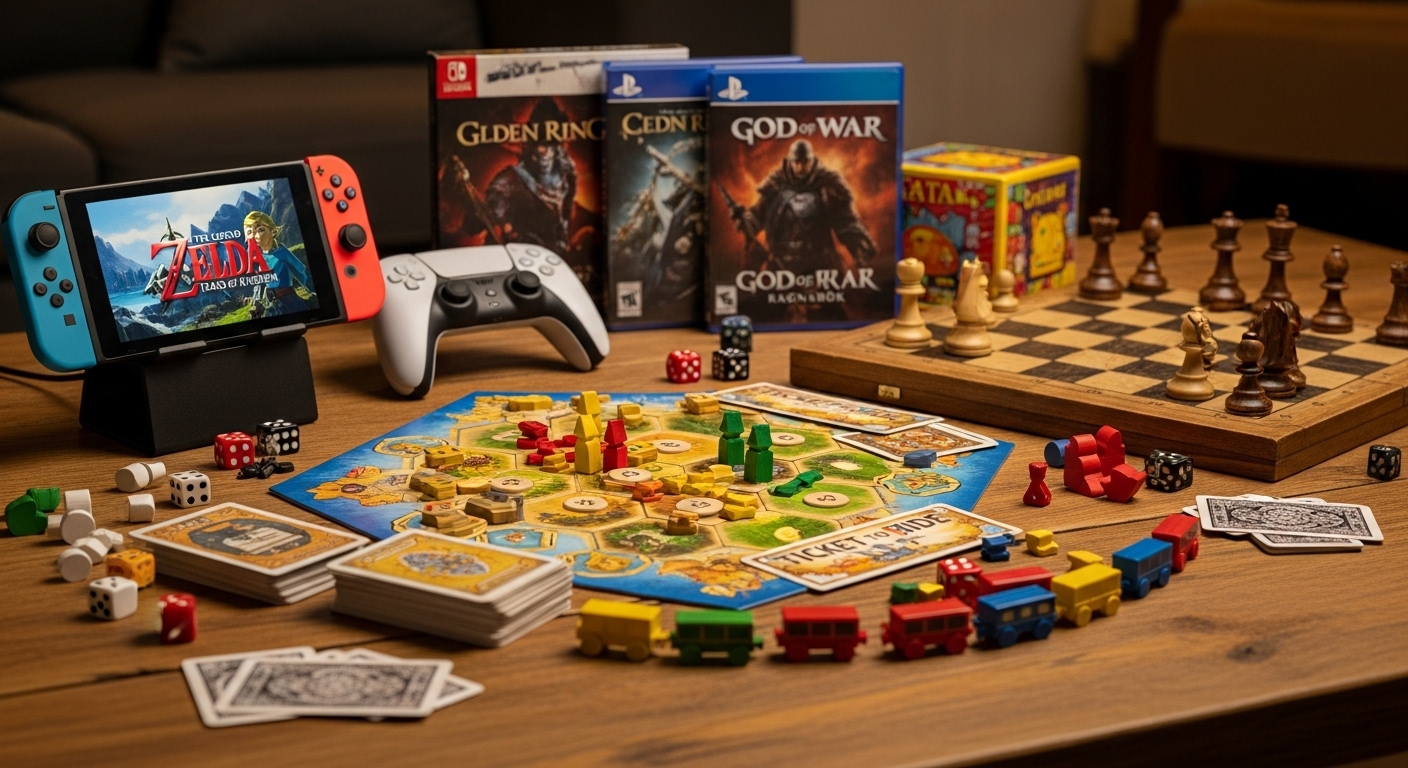

Gaming is one of the most powerful and transformative forms of entertainment in the modern world. What began as a few pixels moving on a screen has evolved into an industry worth billions, connecting millions of people across the globe. It is no longer just a hobby or a pastime—it has become a culture, a sport, a career, and even a form of art. Gaming has shaped generations, influenced technology, and redefined how we experience storytelling and competition. In this comprehensive blog, we will explore the fascinating world of gaming, from its origins to its global impact, and uncover how it continues to grow as one of the most innovative industries in history.
The Birth of Video Games
The journey of gaming began in the early 1950s and 60s when computer scientists and engineers started experimenting with interactive technology. Early prototypes like “Tennis for Two” and “Spacewar!” were groundbreaking in their time, demonstrating how computers could be used for entertainment. However, it wasn’t until 1972 that gaming reached the public consciousness with the release of “Pong,” a simple table tennis simulation that captured the world’s attention.
“Pong” may have been basic, but it laid the foundation for an entirely new industry. Arcades began appearing in cities around the world, becoming gathering spots for enthusiasts who competed for high scores. This marked the beginning of gaming as a social experience, blending competition with fun.
The Golden Age of Arcade Games
The late 1970s and 1980s are often referred to as the golden age of arcade gaming. Games like “Space Invaders,” “Pac-Man,” “Donkey Kong,” and “Galaga” became global sensations. People of all ages flocked to arcades, feeding quarters into machines and chasing top scores. Each game offered unique challenges, captivating players with colorful graphics and addictive gameplay loops.
Arcades became a cultural phenomenon, influencing music, fashion, and even film. They also introduced competitive gaming, as players battled to have their initials displayed on leaderboards. For many, these arcades were more than entertainment—they were a symbol of community and technological wonder.
The Rise of Home Consoles
While arcades dominated public spaces, another revolution was taking place in living rooms across the world. The release of home consoles like the Atari 2600 allowed players to bring the arcade experience home. Families could now enjoy interactive entertainment together without leaving their couches.
The 1980s saw the rise of iconic gaming brands. Nintendo entered the market with its Nintendo Entertainment System (NES), introducing characters like Mario, Link, and Donkey Kong—figures that would become legends in gaming history. Sega followed closely with the Sega Genesis, launching its own mascot, Sonic the Hedgehog.
These consoles introduced millions to the joy of gaming. They also showcased the potential of storytelling in video games, as players went on adventures, solved puzzles, and overcame challenges in ways that were impossible in other forms of media.
The Birth of PC Gaming
As home computers became more common in the 1980s and 1990s, a new era of gaming emerged: PC gaming. Unlike consoles, computers offered greater flexibility, allowing developers to experiment with complex systems, advanced graphics, and unique gameplay mechanics.
PC gaming gave rise to entire genres. Strategy games like “Civilization” and “Age of Empires” challenged players to think critically. Role-playing games like “Baldur’s Gate” and “Diablo” immersed players in deep, story-driven worlds. First-person shooters such as “Doom” and “Half-Life” redefined action gaming.
The PC also introduced online multiplayer, connecting players through local networks and later through the internet. It was this ability to play with others across the world that paved the way for the modern gaming landscape.
The 3D Revolution
The 1990s marked one of the most significant leaps in gaming history with the transition from 2D to 3D graphics. This shift changed everything—how games were designed, how stories were told, and how players interacted with virtual environments.
Games like “Super Mario 64,” “The Legend of Zelda: Ocarina of Time,” and “Tomb Raider” became milestones in 3D gaming. They allowed players to explore vast, open worlds filled with detail and adventure. For the first time, gamers could experience a sense of freedom and immersion that had never been possible before.
The 3D revolution also introduced cinematic storytelling to gaming. Developers began experimenting with camera angles, voice acting, and emotional depth, transforming games into interactive movies. Players were no longer just observers—they were participants in stories that unfolded based on their actions.
The Online Gaming Explosion
As the internet became more widespread in the late 1990s and early 2000s, gaming underwent another transformation: the rise of online multiplayer. The ability to connect with others around the world changed gaming from an isolated activity into a shared experience.
Games like “Counter-Strike,” “EverQuest,” and “World of Warcraft” brought people together in massive online worlds. Players formed friendships, alliances, and rivalries that transcended physical boundaries. Online gaming created communities and cultures of its own, shaping the way people interacted digitally.
Competitive gaming also took its first major steps during this period. Online tournaments began to emerge, laying the groundwork for what would later become professional esports. The thrill of competition and teamwork gave gaming a new dimension of excitement.
The Age of Mobile Gaming
The introduction of smartphones in the 2000s changed gaming forever. Suddenly, millions of people carried gaming devices in their pockets. Mobile games like “Angry Birds,” “Clash of Clans,” and “Candy Crush Saga” reached audiences far beyond traditional gamers.
Mobile gaming made the medium more accessible than ever before. It appealed to all age groups and backgrounds, from casual players to dedicated enthusiasts. The convenience of playing anywhere, anytime turned mobile gaming into one of the most profitable segments of the industry.
Mobile technology also paved the way for augmented reality games, such as “Pokémon Go,” which blended digital play with the real world. This innovative use of technology demonstrated that gaming could be both immersive and interactive, encouraging people to explore their surroundings in new ways.
The Rise of Esports
One of the most exciting developments in modern gaming has been the rise of esports. What began as small competitions in local arcades has evolved into a global sporting industry. Professional gamers compete for millions of dollars in prize money, representing teams, sponsors, and even countries.
Games like “League of Legends,” “Dota 2,” “Fortnite,” and “Counter-Strike: Global Offensive” have become staples of the esports scene. Massive tournaments fill stadiums, and millions of viewers watch online, cheering for their favorite players and teams.
Esports has also given rise to a new generation of celebrities. Professional gamers, streamers, and content creators have massive followings and influence, showcasing how gaming can become a viable career. Esports has bridged the gap between entertainment and athleticism, proving that mental skill, strategy, and reflexes can be just as impressive as physical performance.
Storytelling and Emotional Depth in Games
Modern video games have evolved far beyond simple mechanics or competition—they have become a powerful storytelling medium. Developers now craft rich, emotional narratives that rival movies and novels in complexity and impact.
Games like “The Last of Us,” “Red Dead Redemption 2,” and “God of War” explore deep themes such as loss, love, redemption, and sacrifice. Players are not just spectators; they actively shape these stories through their choices and actions. This interactivity creates a sense of emotional investment unmatched by any other medium.
Story-driven games have proven that video games can be art. They can make players laugh, cry, and think deeply about moral dilemmas. The immersive nature of gaming allows people to experience emotions and perspectives in a way that feels personal and real.
The Role of Technology in Modern Gaming
Technology continues to be the driving force behind the evolution of gaming. Advanced graphics engines, powerful hardware, and cloud computing have made games more realistic and accessible than ever before.
Virtual reality (VR) and augmented reality (AR) have opened new dimensions of immersion. With VR headsets, players can step directly into game worlds, experiencing environments and interactions as if they were truly there. AR games blend digital elements with real-life surroundings, creating hybrid experiences that challenge imagination.
Cloud gaming services now allow players to stream games without expensive hardware. This innovation makes high-quality gaming available to anyone with a stable internet connection, breaking down barriers of cost and accessibility.
Artificial intelligence is also transforming gaming, making non-player characters more lifelike and adaptive. AI-driven systems create dynamic environments that respond to player behavior, ensuring that no two experiences are exactly the same.
The Cultural Impact of Gaming
Gaming has grown into a cultural force that influences music, fashion, movies, and even education. Iconic game characters like Mario, Sonic, and Master Chief are recognized worldwide. Game-inspired films, soundtracks, and art are celebrated as integral parts of popular culture.
Gaming communities also serve as powerful social networks. Players from different countries and backgrounds come together to collaborate, compete, and connect. Online friendships, guilds, and fan communities have become an essential part of modern digital life.
Moreover, gaming has entered education and therapy. Educational games teach history, science, and mathematics in engaging ways. Therapeutic games help people manage stress, anxiety, and cognitive challenges, showing that gaming can have positive psychological benefits.
The Future of Gaming
The future of gaming looks brighter than ever. Emerging technologies such as artificial intelligence, virtual reality, and blockchain promise to revolutionize how we play and create. Games will continue to become more immersive, interactive, and inclusive.
Cross-platform play is breaking down barriers between consoles, PCs, and mobile devices, allowing players to connect regardless of hardware. Cloud gaming will make high-quality experiences more accessible globally, reducing the need for expensive equipment.
Developers are also focusing on inclusivity, creating games that represent diverse cultures, genders, and abilities. The next generation of gamers will grow up in a world where everyone can see themselves reflected in the stories they play.
Gaming’s evolution will not slow down. It will continue to influence technology, entertainment, and even social change. As virtual worlds expand, the line between digital and physical reality will blur, creating endless possibilities for creativity and connection.
Conclusion
From the flickering screens of early arcades to the immersive universes of virtual reality, gaming has come a long way. It has grown from a niche curiosity into one of the most powerful and dynamic industries in the world. Gaming entertains, educates, and connects people like no other medium can.
It is more than just playing; it is about storytelling, innovation, and community. It teaches problem-solving, encourages creativity, and offers a sense of belonging to millions. As technology continues to evolve, so too will the art of gaming—expanding into realms we can only imagine.
The world of gaming is a reflection of human imagination and progress. It is where art meets science, where competition meets cooperation, and where players of all ages and backgrounds come together to share one simple joy—the joy of play.
Word Count: ~2,250 words