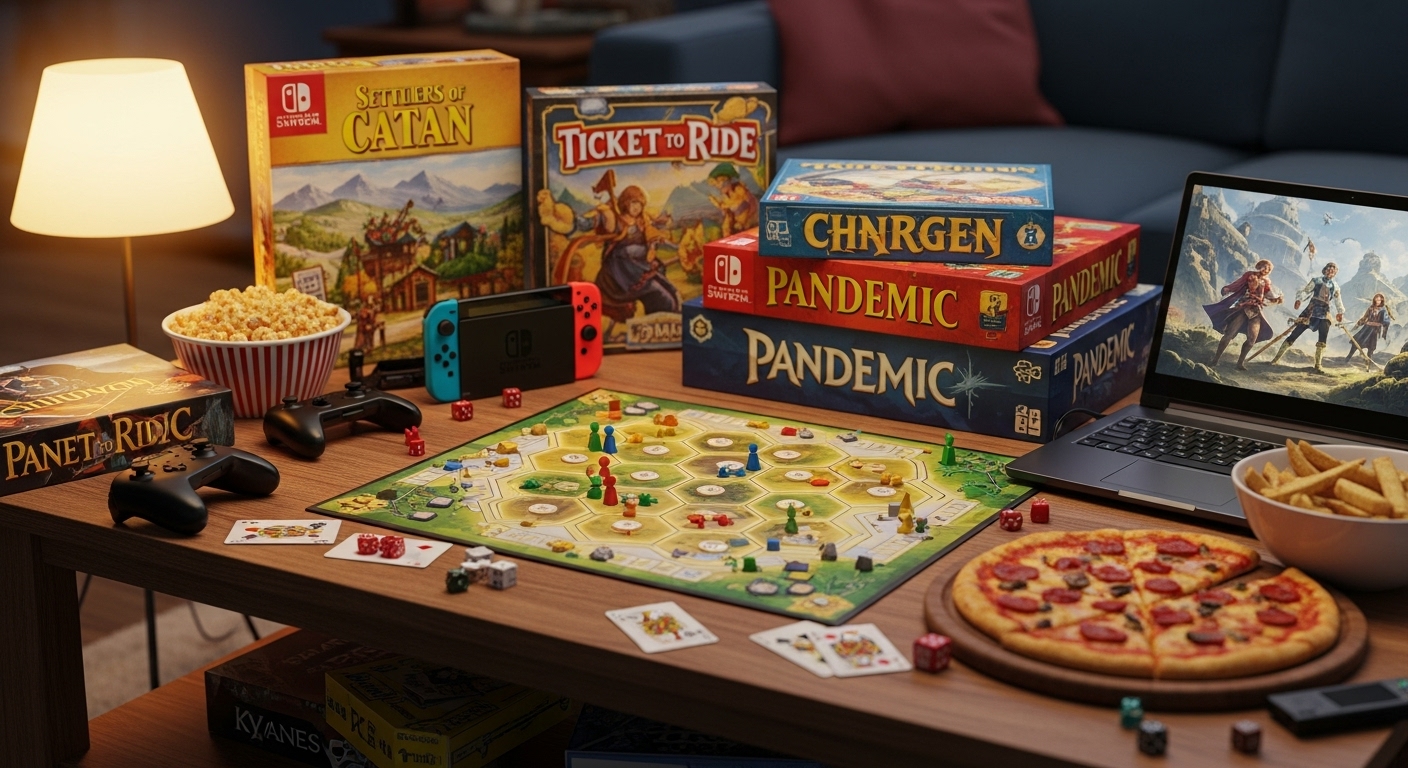

Introduction: Games as a Universal Experience
Games have been a part of human culture for centuries, evolving from simple board games to complex digital adventures. Today, they are more than just a way to pass time—they are a source of creativity, learning, and social connection. Games appeal to people of all ages and backgrounds, offering experiences that are fun, challenging, and immersive.
The Evolution of Gaming
The world of games has transformed dramatically over the years. Early games focused on simple mechanics and competition, while modern games offer rich storytelling, lifelike graphics, and interactive worlds. Video games, in particular, allow players to explore fantasy realms, solve complex puzzles, and engage in strategic battles. Mobile games have made gaming accessible anywhere, turning brief moments of free time into opportunities for entertainment and skill-building.
Games as Social Connectors
Games are not just solitary activities. Online multiplayer games and cooperative experiences allow players to collaborate, compete, and communicate with others worldwide. From building teams in virtual worlds to sharing strategies in tournaments, games foster friendships and community. Many players find a sense of belonging through gaming, connecting with people who share similar interests and passions.
Cognitive and Emotional Benefits of Playing Games
Games offer more than fun—they can enhance mental skills and emotional well-being. Strategy games improve decision-making and problem-solving abilities. Puzzle and logic games enhance memory and concentration. Even action games contribute to hand-eye coordination and reflexes. Story-driven games can foster empathy, helping players understand different perspectives and navigate complex emotional scenarios.
Challenges in Gaming
Despite the benefits, gaming comes with challenges. Excessive play can lead to screen fatigue or neglect of responsibilities. Online communities sometimes experience negativity or toxic behavior. It is important to encourage balanced gaming habits, promote positive interactions, and ensure that games are a source of enjoyment rather than stress.
The Future of Games
The future of gaming promises exciting innovations. Technologies such as virtual reality, augmented reality, and cloud gaming are redefining how players interact with games. Experiences are becoming more immersive, personalized, and interconnected, offering endless possibilities for entertainment, creativity, and learning.
Conclusion: Embracing the Joy of Games
Games today are a gateway to imagination, skill development, and connection. They challenge our minds, entertain our senses, and bring people together. Whether played casually on a phone or explored deeply in an expansive virtual world, games continue to shape the way we play, learn, and interact, proving that gaming is far more than a pastime—it is a cultural revolution.