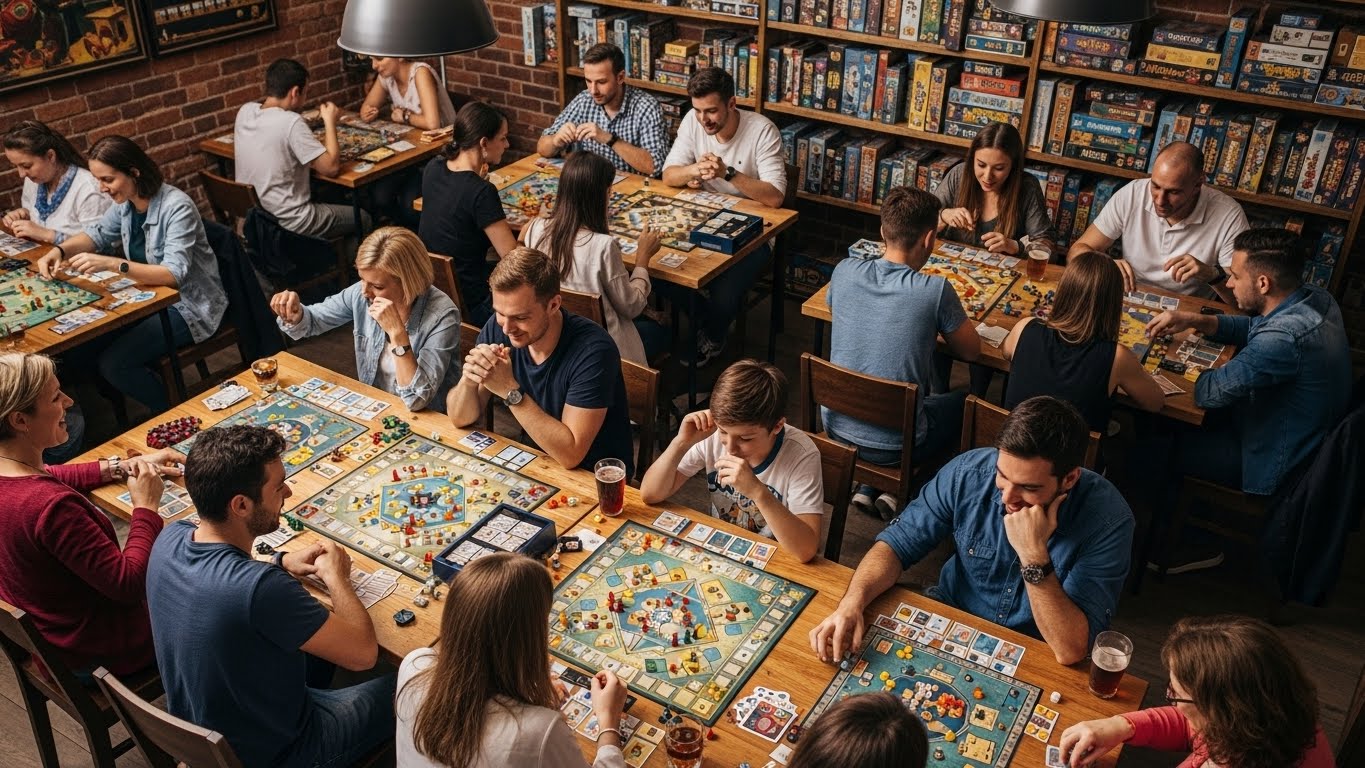
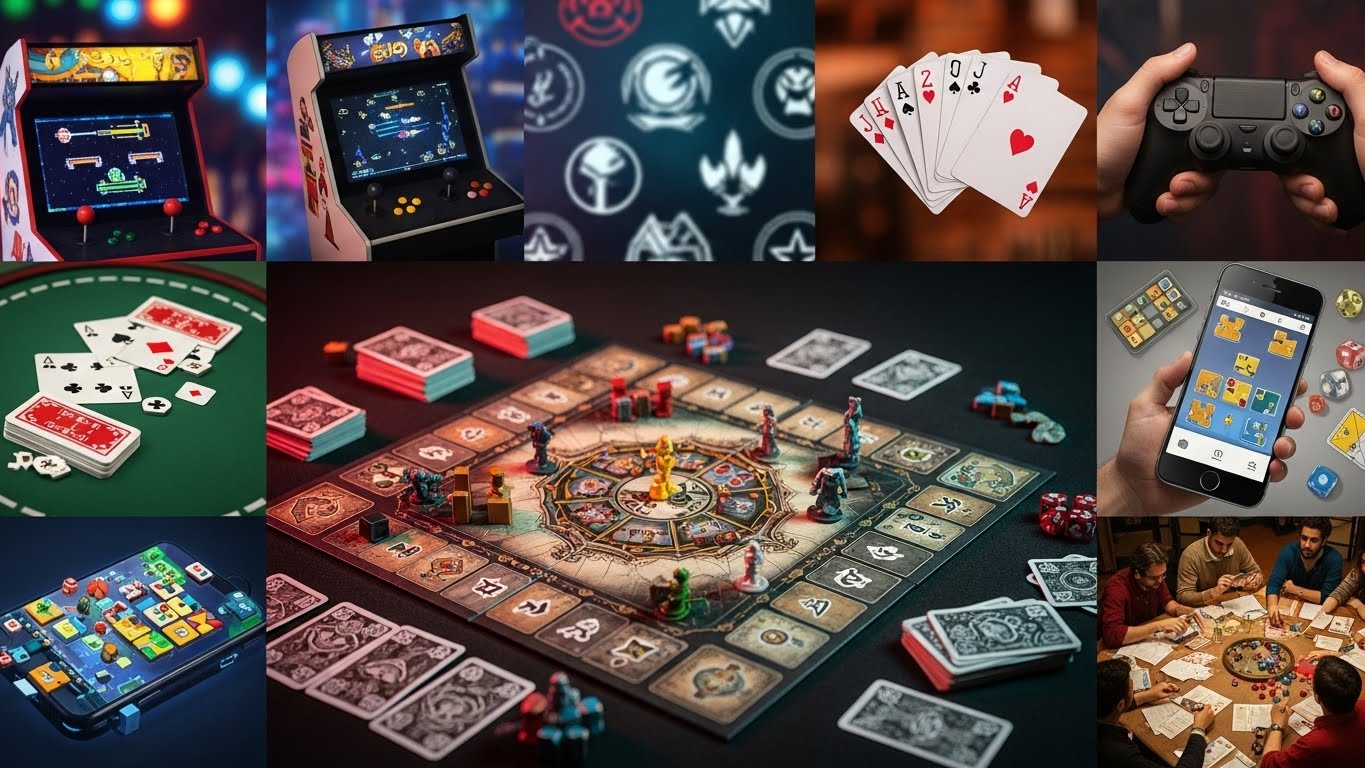
Games have been a fundamental part of human culture for centuries. From simple board games and card games to complex video games and virtual reality experiences, games serve as a source of entertainment, learning, and social interaction. Over time, games have evolved significantly, becoming a central part of both leisure and the digital economy. In this blog, we will explore the history, types, benefits, challenges, and future of games, offering an in-depth look at why they remain an essential aspect of human life.
A Brief History of Games
The history of games reflects the creativity and ingenuity of human beings. Ancient civilizations developed games not only for entertainment but also for education and strategy. For example, Senet, played in ancient Egypt over five thousand years ago, served as a pastime and a spiritual activity. Similarly, Go, originating in China, was designed to teach strategy, patience, and critical thinking.
In medieval Europe, board games, card games, and chess became popular among nobles and commoners alike. These games combined skill, strategy, and chance, fostering social interaction and critical thinking. Over time, games became more structured, with rules, competitive elements, and dedicated spaces for play.
The 20th century brought electronic gaming, which transformed the landscape entirely. Arcade machines in the 1970s and home gaming consoles in the 1980s introduced interactive digital play to a broader audience. Video games quickly evolved from simple pixelated designs to immersive worlds with detailed graphics, narratives, and gameplay mechanics. Today, games are a global phenomenon that spans multiple platforms, genres, and audiences.
Types of Games
Modern gaming encompasses a variety of formats, each offering unique experiences.
Board and Card Games
Board and card games are timeless classics that continue to captivate players worldwide. Games like Monopoly, Scrabble, chess, and poker encourage strategic thinking, problem-solving, and social interaction. Their tactile and face-to-face nature gives them a distinct charm that digital formats cannot replicate.
Video Games
Video games dominate the modern gaming landscape. They range from casual mobile apps to complex PC and console titles. Video games span multiple genres, including action, adventure, role-playing, simulation, sports, and strategy. Each genre caters to different preferences, providing diverse experiences from fast-paced combat to thoughtful strategy and storytelling.
Mobile Games
Mobile games have revolutionized accessibility in gaming. With smartphones and tablets, players can enjoy games anytime, anywhere. Mobile games vary from casual puzzles to intricate multiplayer experiences, demonstrating their versatility. Titles often include social features, allowing players to connect, compete, and share achievements.
Virtual Reality and Augmented Reality Games
Virtual reality and augmented reality represent the forefront of gaming technology. Virtual reality immerses players in fully digital worlds, often requiring specialized headsets and motion controllers. Augmented reality overlays digital elements onto the real world, blending reality with interactive experiences. Both formats offer a level of immersion that traditional games cannot match.
Sports and Simulation Games
Sports and simulation games replicate real-life activities, offering realistic experiences in a virtual environment. Racing simulators, soccer and basketball games, flight simulators, and life simulation games allow players to practice strategy, skill, and decision-making in controlled settings. These games often combine realism with entertainment, making them appealing to a broad audience.
Multiplayer Online Games
Multiplayer online games, including massively multiplayer online role-playing games and battle royale games, foster global communities of players. These games emphasize collaboration, competition, and social interaction. Players can form teams, participate in global events, and build long-term friendships, creating a dynamic and interactive gaming environment.
The Benefits of Gaming
Gaming offers cognitive, emotional, and social benefits, making it more than just a leisure activity.
Cognitive Development
Many games enhance critical thinking, strategic planning, and problem-solving. Puzzle games, strategy titles, and role-playing games challenge players to make decisions, manage resources, and anticipate outcomes. These cognitive skills can translate to real-life abilities, including multitasking and analytical thinking.
Stress Relief and Entertainment
Games provide an escape from daily stress, offering entertainment and relaxation. Immersive gameplay allows players to focus on challenges and objectives, diverting attention from daily pressures. Casual games, story-driven adventures, and simulation games provide mental stimulation while promoting relaxation.
Social Interaction and Community
Multiplayer and online games foster social connections. Players collaborate in teams, communicate in real-time, and compete in tournaments, creating communities and networks of like-minded individuals. Even traditional board and card games encourage teamwork, discussion, and healthy competition.
Skill Development
Games often develop practical skills. Racing and sports games improve reaction time and hand-eye coordination, while strategy and simulation games enhance analytical thinking and planning. Role-playing and creative games encourage imagination, problem-solving, and leadership skills.
Educational Value
Educational games make learning engaging by combining interactive gameplay with academic content. Math, science, language, and history can be taught through games, making complex topics accessible and enjoyable. Gamified learning encourages motivation, participation, and retention of knowledge.
Challenges in Gaming
While games provide many benefits, they also present challenges that need to be managed.
Gaming Addiction
Excessive gaming can lead to addiction, negatively impacting mental health, social life, and productivity. Establishing limits and balancing gaming with other activities is essential for maintaining a healthy lifestyle.
Exposure to Inappropriate Content
Some games contain violent, explicit, or mature content. Players, especially younger audiences, must be aware of game ratings and content guidelines to ensure safe and appropriate gaming experiences.
Online Harassment and Toxicity
Online multiplayer games can expose players to harassment, bullying, and toxic behavior. Developers and players must work together to create safe, inclusive communities through moderation, reporting tools, and respectful communication.
Physical Health Concerns
Extended gaming sessions can lead to sedentary behavior, eye strain, poor posture, and related health issues. Taking regular breaks, practicing good ergonomics, and incorporating physical activity are necessary for maintaining health.
Financial Considerations
Many modern games include in-game purchases, microtransactions, or loot boxes. These features can encourage overspending if not managed responsibly. Players should be aware of financial limits and monitor spending in games.
Technology and Modern Gaming
Technology drives the gaming industry, enhancing graphics, interactivity, and accessibility.
Advanced Graphics and Immersion
High-definition visuals, realistic animations, and 3D environments make games more immersive. Modern consoles, PCs, and graphics engines allow for cinematic experiences that captivate players and enhance storytelling.
Artificial Intelligence
AI plays a critical role in creating dynamic gameplay, intelligent non-player characters, and personalized experiences. AI also helps in adjusting difficulty, balancing games, and enhancing engagement.
Cloud Gaming
Cloud gaming allows players to stream games without downloading large files. This technology reduces hardware requirements and provides access to high-quality experiences on multiple devices, including mobile phones and tablets.
Virtual and Augmented Reality
VR and AR provide new ways of interacting with games. Players can explore virtual worlds, manipulate objects, and experience immersive environments, creating a sense of presence and realism that traditional games cannot offer.
Online Connectivity
Multiplayer online gaming enables players to connect, compete, and collaborate globally. Online communities, tournaments, and social features add layers of engagement that extend beyond solo gameplay.
The Future of Gaming
The future of gaming promises exciting developments driven by innovation, technology, and changing player preferences.
Virtual Reality Expansion
VR will continue to grow, offering fully immersive environments where players can explore, create, and interact. Advancements in VR hardware and software will make these experiences more accessible and realistic.
Artificial Intelligence Integration
AI will further personalize gaming experiences by adapting challenges, storylines, and gameplay to individual preferences. AI-driven content generation may allow for endless variations, ensuring every session is unique.
Cloud-Based Gaming
Cloud gaming will make high-quality experiences available on any device, eliminating the need for expensive hardware. This technology will make games more accessible globally, promoting inclusivity.
Esports Growth
Competitive gaming and esports will continue to expand as industries in themselves. Tournaments, sponsorships, and professional leagues will provide players with career opportunities while engaging millions of spectators worldwide.
Gamification in Daily Life
Gaming principles such as rewards, challenges, and progression will increasingly influence education, workplace training, and personal development. Gamification creates engaging experiences that motivate and inspire learning and productivity.
Conclusion
Games have evolved from simple pastimes into a multifaceted cultural, social, and economic force. They provide cognitive, emotional, and social benefits while presenting challenges that require awareness and responsibility. Modern technology, including virtual reality, artificial intelligence, and cloud gaming, continues to transform the gaming experience, making it more immersive, accessible, and interactive.
The future of gaming promises innovation, inclusivity, and endless possibilities. Whether through traditional board games, mobile applications, virtual reality adventures, or competitive esports, games remain a central part of human culture. They entertain, educate, and connect people, illustrating the enduring power of play in shaping entertainment and society.
Games are more than just entertainment—they are a reflection of creativity, strategy, and human interaction. Their evolution continues to redefine leisure, offering new experiences that challenge the mind, bring people together, and expand the boundaries of what play can achieve.