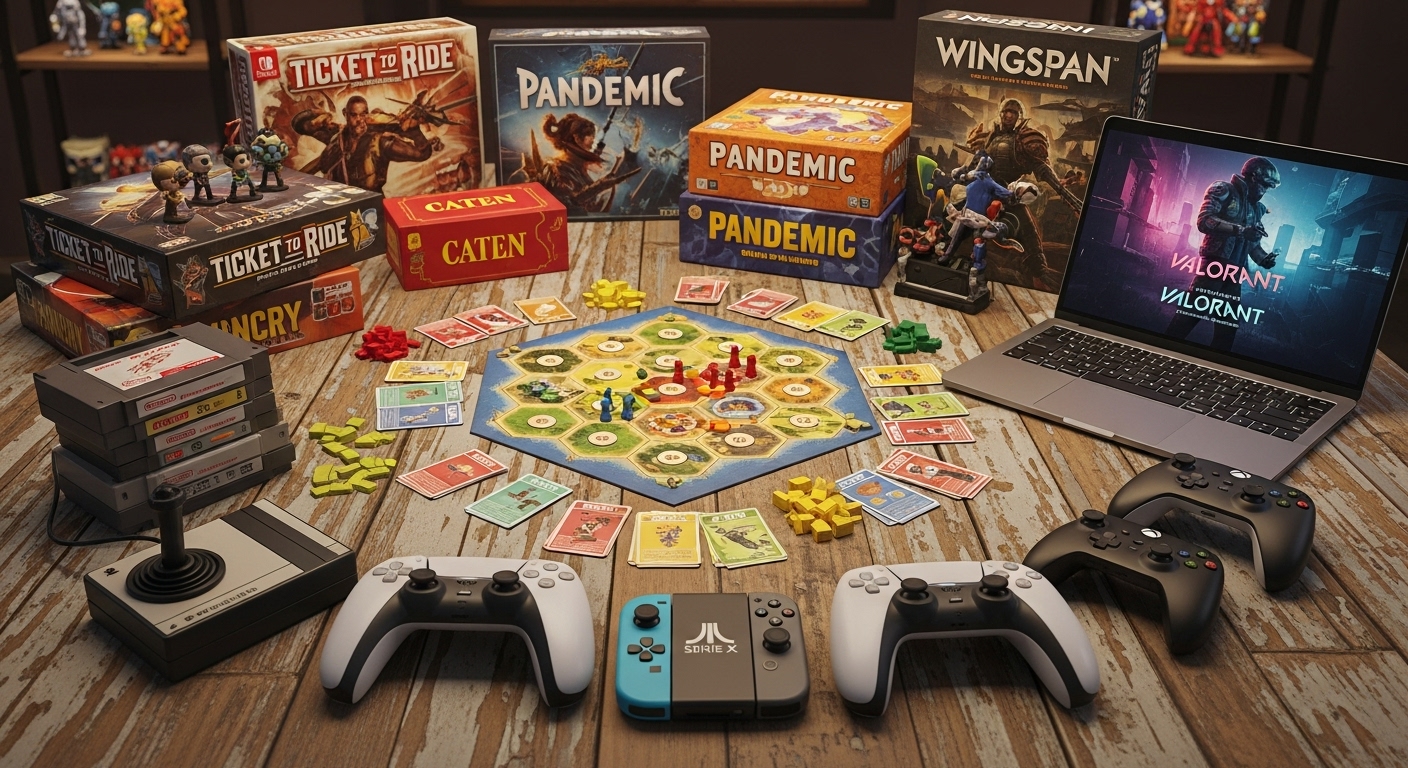

Games have been an integral part of human civilization for centuries. They are more than a way to pass time—they reflect culture, promote learning, build social connections, and encourage creativity. From board games and sports to video games and virtual experiences, games provide entertainment while shaping minds and communities. This blog explores the evolution of games, their cultural significance, educational benefits, social impact, and the innovations that continue to redefine the gaming world.
The Historical Roots of Games
Games have existed since ancient times, serving as both entertainment and tools for strategy, learning, and socialization. Early civilizations developed games such as Senet in Egypt, Go in China, and chess in India, which required strategic thinking and skill. These games were often linked to education, leadership training, and social interaction, highlighting their role beyond mere amusement.
Sports and physical games have also played a significant role in human history. Ancient Greeks developed competitive sports such as the Olympic Games, which combined physical skill with cultural celebration. These early forms of play laid the foundation for organized games and sports that continue to influence societies worldwide.
The Evolution of Board Games and Tabletop Experiences
Board games have long been a popular form of entertainment, combining strategy, luck, and social interaction. Classic titles like Monopoly, Scrabble, and Risk have entertained generations while encouraging critical thinking and decision-making.
Tabletop games, including role-playing games like Dungeons and Dragons, introduced imaginative storytelling and collaborative problem-solving. Players could create characters, navigate narratives, and solve complex challenges together, fostering creativity, teamwork, and social bonds. These games also influenced modern video games, inspiring narrative structures, character development, and gameplay mechanics.
The Rise of Video Games
Video games revolutionized entertainment in the 20th century, transforming play into an immersive digital experience. Early titles such as Pong, Space Invaders, and Pac-Man brought gaming into arcades, capturing the imagination of a generation. Home consoles like the Nintendo Entertainment System and Sega Genesis brought video games into living rooms, creating shared family experiences and popularizing iconic characters.
Modern video games feature advanced graphics, immersive storytelling, and multiplayer functionality. They span diverse genres, including action, strategy, role-playing, simulation, sports, and puzzle games. These advancements have expanded the gaming audience and elevated gaming to a cultural and economic phenomenon.
Cultural Significance of Games
Games are a reflection of culture and society. They often tell stories, explore societal themes, and provide commentary on human behavior. Video games, in particular, allow players to engage in narratives that explore morality, teamwork, and strategic thinking. Players make decisions that impact outcomes, promoting ethical reasoning and problem-solving.
Gaming culture has also influenced music, fashion, and media. Iconic games inspire movies, merchandise, fan communities, and creative expressions. Games are not only entertainment but also cultural artifacts that shape and reflect trends, ideas, and identities.
Educational Benefits of Games
Games offer significant educational advantages. Strategy games and puzzle games improve critical thinking, decision-making, and spatial reasoning. Simulation games allow players to explore real-world scenarios, such as managing resources, running businesses, or navigating historical events.
Tabletop games and role-playing experiences foster creativity, collaboration, and communication skills. Gamification in education uses game elements like rewards, challenges, and levels to engage learners, making education interactive, motivating, and enjoyable. Games provide a platform for experiential learning that encourages curiosity and problem-solving.
Social Impact of Gaming
Gaming builds communities and fosters social interaction. Online multiplayer games connect players from different regions, creating collaborative and competitive environments. Players develop teamwork, communication, and leadership skills while building friendships and social bonds.
Streaming platforms and social media amplify the social dimension of gaming. Fans share experiences, discuss strategies, and celebrate achievements together. Esports has further professionalized gaming, creating global competitions, fan communities, and shared experiences comparable to traditional sports.
Esports and Competitive Gaming
Esports has transformed gaming into a professional and highly competitive arena. Players train rigorously, develop strategies, and participate in tournaments with significant prize pools. Esports organizations provide coaching, analytics, and physical and mental support to ensure peak performance.
Competitive gaming attracts millions of viewers globally, creating entertainment experiences similar to traditional sports. Esports events feature live audiences, broadcast commentary, and international teams, turning gaming into a spectacle that celebrates skill, strategy, and collaboration.
Games and Cognitive Development
Games enhance cognitive skills and mental agility. Strategy games improve planning, critical thinking, and adaptability. Action games enhance reflexes, coordination, and multitasking abilities. Puzzle and simulation games stimulate creativity, problem-solving, and pattern recognition.
Role-playing and narrative-driven games encourage ethical reasoning, empathy, and decision-making. By engaging players in challenges that require concentration and creativity, games provide cognitive stimulation that extends beyond gameplay into real-life skills.
Physical Activity and Active Gaming
While traditional gaming is often sedentary, active gaming and sports games promote physical activity. Motion-sensing technology, virtual reality, and fitness games encourage movement, coordination, and exercise. Active gaming integrates fun with health benefits, bridging entertainment and wellness.
Sports video games also simulate real-life sports, teaching rules, strategies, and teamwork. These games can inspire players to participate in actual sports, promoting physical activity, skill development, and an appreciation for athletic discipline.
Economic Impact of Games
The gaming industry is a major economic force. Video games, mobile apps, board games, and esports generate billions of dollars annually. The industry supports careers in development, design, marketing, event management, content creation, and professional gaming.
Global franchises and blockbuster releases contribute significantly to local and international economies. Gaming also drives innovation in technology, including graphics, artificial intelligence, and online infrastructure, highlighting its role as both a cultural and economic powerhouse.
Inclusivity and Diversity in Games
Modern games increasingly embrace diversity and inclusivity. Developers create characters and narratives that reflect varied cultural, gender, and social perspectives. Representation allows players to see themselves reflected in games, fostering engagement, empathy, and creativity.
Diverse gaming experiences expand audience reach and ensure games are relevant to global players. Inclusivity also promotes positive social interaction within gaming communities, encouraging collaboration, respect, and understanding among players.
Technology Shaping the Future of Games
Technology continues to redefine gaming. Virtual reality, augmented reality, and cloud gaming provide immersive experiences that go beyond traditional gameplay. Artificial intelligence and machine learning create adaptive challenges and dynamic narratives, making games more engaging and personalized.
Cross-platform gaming allows players to interact seamlessly across devices, connecting global audiences. Innovations in graphics, sound design, and interactive storytelling continue to push the boundaries of what games can offer, making the future of gaming increasingly immersive and inclusive.
Games as a Cultural Mirror
Games reflect societal values, cultural norms, and contemporary issues. Storylines often explore social, ethical, and political themes, encouraging players to consider real-world implications. Gaming communities discuss and debate these topics, fostering awareness and dialogue.
Moreover, games can inspire change. Historical and socially conscious games educate players about events, movements, and moral dilemmas, promoting understanding and empathy. As a cultural medium, games entertain while providing insight into human behavior, society, and ethics.
The Future of Games
The future of games promises greater interactivity, immersion, and accessibility. Emerging technologies will create richer experiences, combining virtual, augmented, and mixed realities. Personalized gaming experiences will adapt to individual preferences, learning styles, and skill levels.
Games will continue to integrate social, educational, and professional dimensions. Esports, streaming, and cross-platform communities will expand, creating global networks of players and audiences. Gaming is poised to remain a dynamic, evolving medium that entertains, educates, and connects people worldwide.
Conclusion: Games as a Transformative Medium
Games are far more than leisure activities—they are transformative experiences that shape culture, minds, and communities. From traditional board games to modern video games and esports, they provide entertainment, foster cognitive development, and build social connections.
Games reflect societal values, inspire creativity, and create global communities that transcend borders and generations. They stimulate thought, teach skills, and bring people together in meaningful ways. As technology and creativity advance, games will continue to evolve, offering immersive, engaging, and transformative experiences for players worldwide.