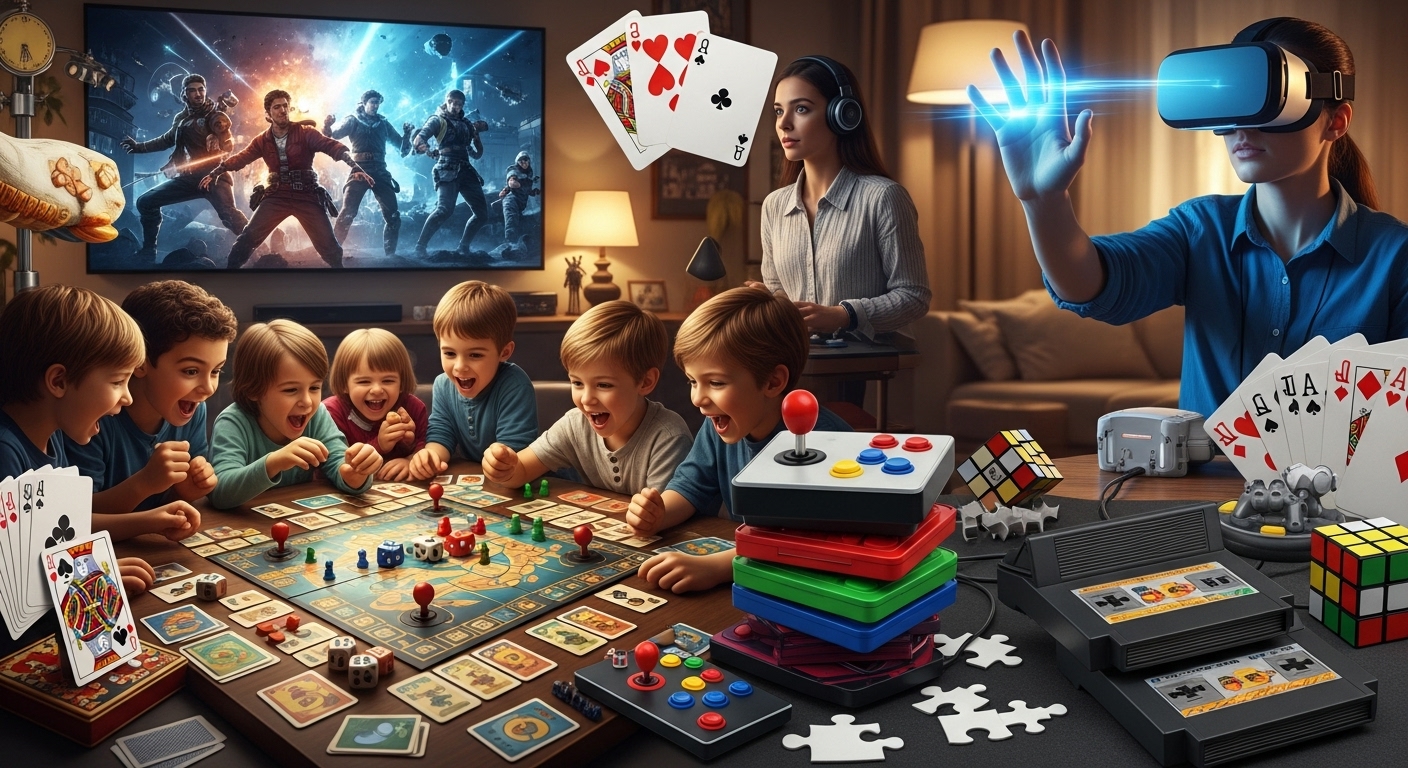
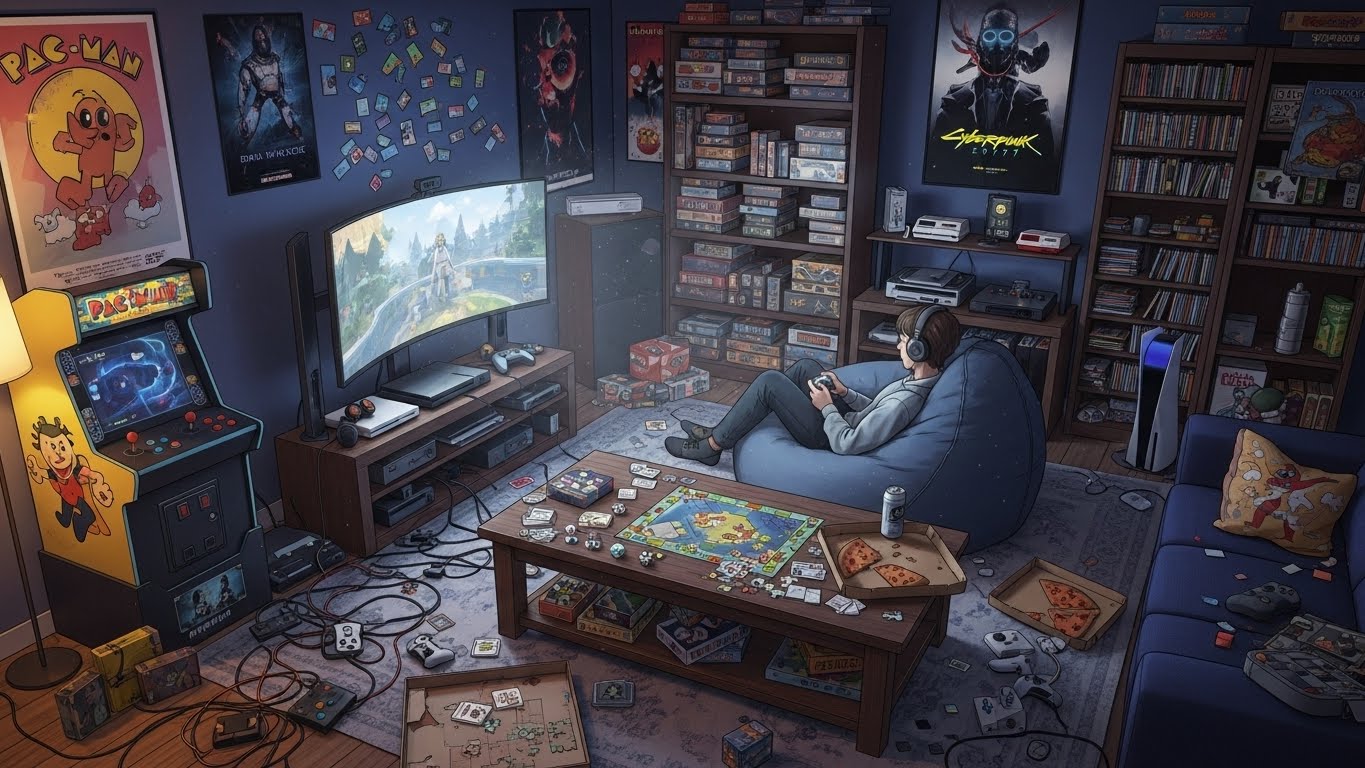
Games have been a part of human culture for centuries, whether they are physical, social, or digital. From the ancient board games like Senet and Go to the groundbreaking virtual worlds we explore today, games have always served as a form of entertainment, a way to bond with others, and even a means to develop critical skills. As technology continues to advance, the world of games has expanded in ways that were once thought unimaginable. In this blog post, we will take an in-depth look at the world of games, their evolution, different types of games, and what the future holds for the gaming industry.
The Origins of Games
The history of games can be traced back to the earliest civilizations. Archaeological evidence suggests that games were used as far back as 4,000 years ago in ancient Egypt. Board games like Senet and Mehen were not just forms of entertainment but were also considered to have symbolic or spiritual significance. Games in ancient times were often a reflection of the culture and values of the societies that created them.
As time progressed, games continued to evolve. In ancient China, the game of Go was developed around 2,500 years ago and became an integral part of East Asian culture. The game of chess originated in India around the 6th century and eventually spread to the West, where it became one of the most enduring and popular games of strategy.
Throughout history, games have played different roles — from teaching social and strategic skills to serving as a form of escapism or storytelling. Whether through physical activities or mental challenges, games have always been a means to engage and entertain.
The Rise of Digital Games
The most significant change in the world of games in recent decades has been the advent of digital games. The 20th century marked a pivotal moment in the evolution of gaming, beginning with the rise of arcade games and eventually leading to the creation of video games and computer games.
Early Days of Video Games
The history of digital games began in the early 1950s with computer-based games such as OXO, a computer version of tic-tac-toe, and Spacewar!, one of the first arcade games, created in 1962 by Steve Russell and others at MIT. These early games were basic in terms of graphics and gameplay, but they laid the foundation for what was to come.
By the 1970s, arcade gaming became mainstream with the release of iconic games like Pong by Atari. This simple game of ping-pong set the stage for an entire industry that would soon be booming. The 1980s saw the rise of home gaming consoles, such as the Nintendo Entertainment System (NES) and the Sega Genesis, which brought video games into people’s homes.
The 1990s marked a turning point with the introduction of 3D graphics and virtual worlds. Games like Super Mario 64 and The Legend of Zelda: Ocarina of Time became cultural landmarks, pushing the boundaries of storytelling, world-building, and gameplay mechanics. The rapid advancement of technology during this period paved the way for more complex and engaging gaming experiences.
The Birth of PC and Online Gaming
While consoles remained a dominant force in the gaming world, the rise of personal computers also contributed to the growth of gaming. Early PC games such as Doom and Warcraft pushed the limits of what was possible in terms of graphics and multiplayer interaction.
In the late 1990s and early 2000s, online multiplayer games began to take off. Titles like World of Warcraft and EverQuest introduced massive, interconnected online worlds where players could meet, compete, and collaborate in ways that had never been possible before. This period marked the birth of online gaming communities, where players could socialize, form guilds, and participate in large-scale, persistent game worlds.
The internet also gave rise to mobile gaming. With the advent of smartphones in the 2000s, games like Angry Birds and Candy Crush became ubiquitous, making gaming more accessible than ever before. People could now play games on the go, whether they were waiting for a bus or relaxing at home.
Different Types of Games
Today, the world of games is vast, with a wide range of genres, platforms, and experiences available to players. Each type of game serves a different purpose, from competitive challenges to creative expression. Let’s take a closer look at some of the most popular types of games.
1. Video Games (Console and PC)
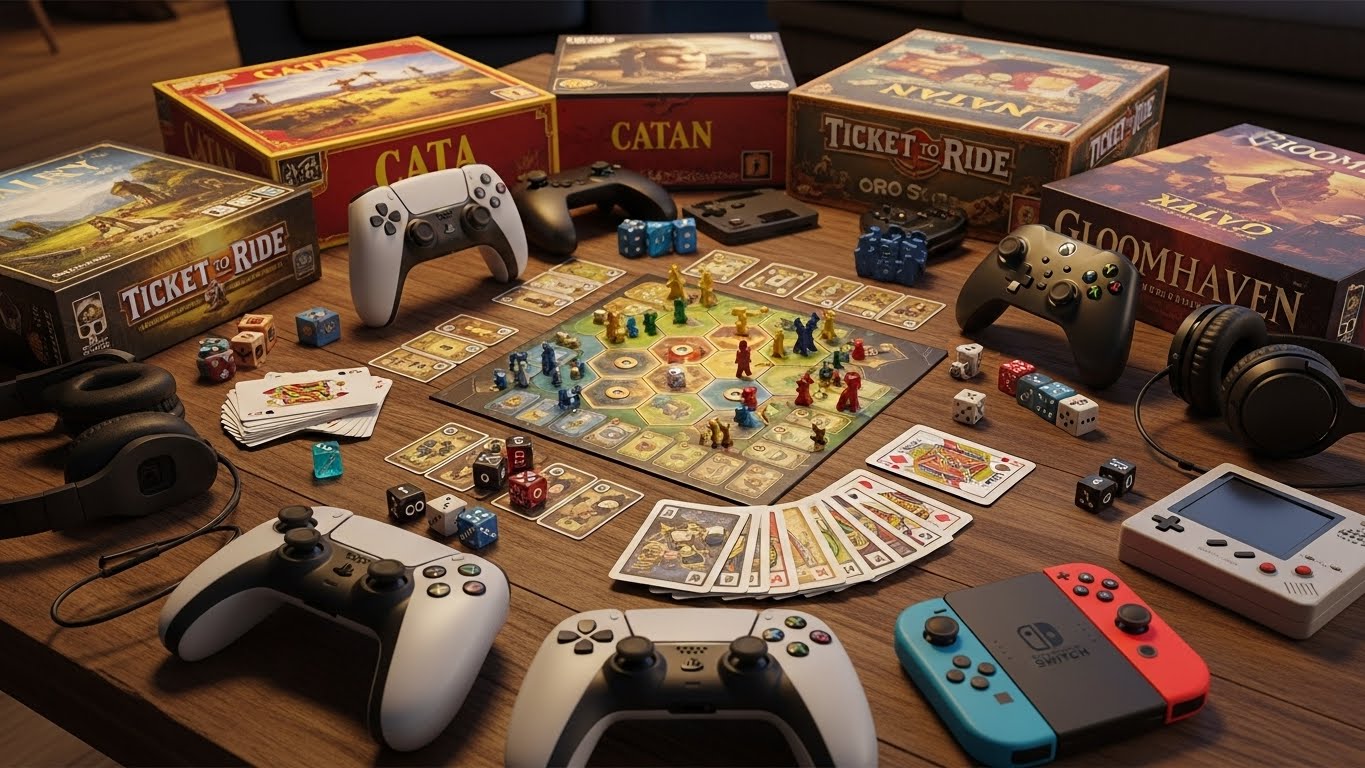
Video games have become the primary form of entertainment for millions of people worldwide. These games are typically played on dedicated gaming consoles like the PlayStation, Xbox, and Nintendo Switch, or on personal computers. Video games can range from action-packed shooters like Call of Duty to immersive open-world RPGs like The Witcher 3 and Grand Theft Auto V.
2. Mobile Games
With the rise of smartphones and tablets, mobile gaming has become a dominant force in the industry. Games like Pokémon Go, Clash of Clans, and Fortnite Mobile have captivated millions of players across the globe. Mobile games are often free-to-play, relying on in-app purchases or ads for revenue, and they are designed to be accessible to players of all ages and skill levels.
3. Board Games
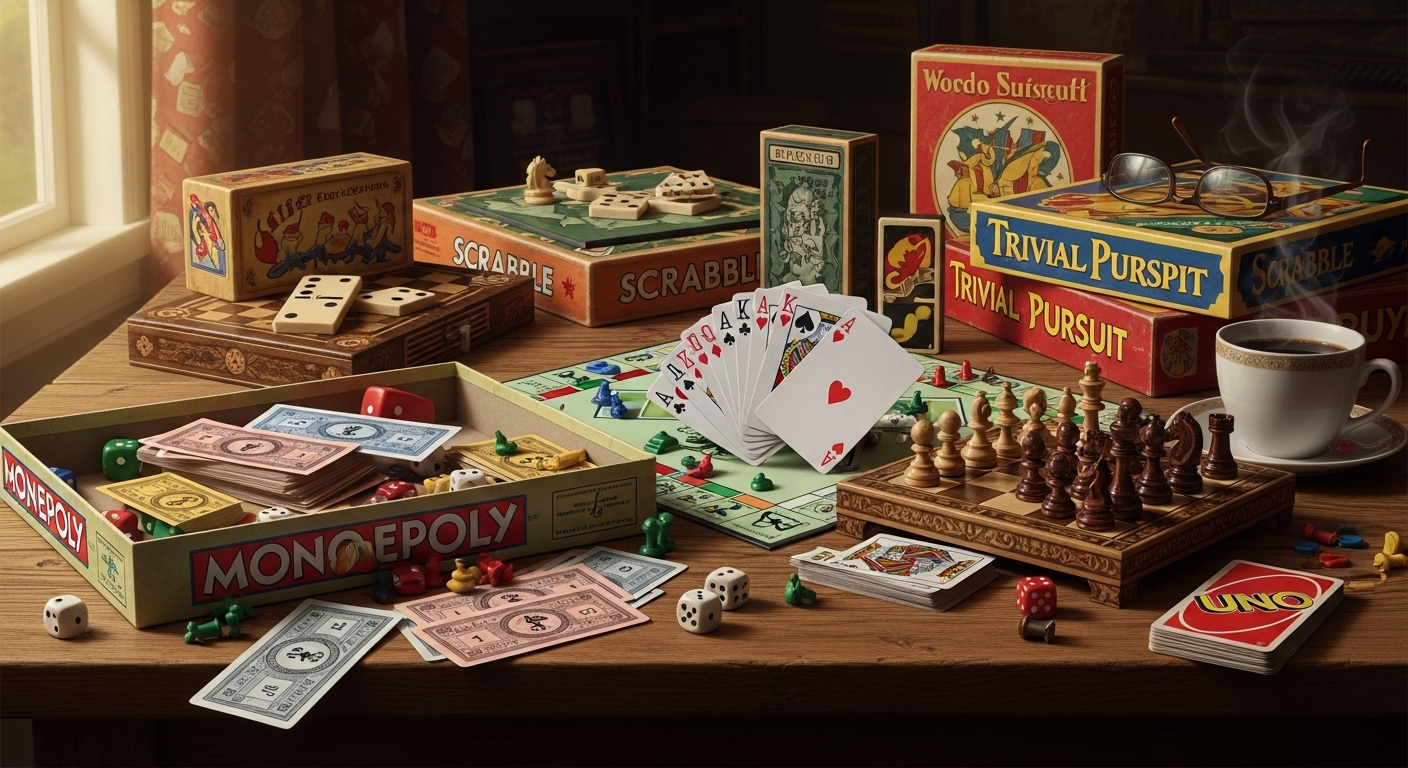
Board games are a classic form of social entertainment that have stood the test of time. Games like Monopoly, Scrabble, and Risk continue to bring people together for hours of fun. While modern board games have evolved, many traditional games are still beloved by players of all ages. Newer board games like Settlers of Catan, Ticket to Ride, and Codenames have added more complexity and strategy to the mix, attracting a new generation of board game enthusiasts.
4. Card Games
Card games are another timeless genre that continues to thrive today. From traditional games like Poker and Bridge to modern digital card games like Hearthstone and Magic: The Gathering Arena, card games offer endless variety and strategic depth. These games can be played casually among friends or in competitive tournaments, and they often serve as a bridge between physical and digital gaming.
5. Esports and Competitive Gaming
Esports is a rapidly growing sector in the gaming industry, where players compete professionally in games such as League of Legends, Dota 2, Counter-Strike: Global Offensive, and Fortnite. Esports tournaments often feature huge cash prizes and attract millions of viewers worldwide through live-streaming platforms like Twitch and YouTube Gaming.
Esports has turned gaming into a spectator sport, with professional teams, coaches, analysts, and commentators, just like traditional sports. Many gamers aspire to become professional players, and esports is now considered a legitimate career for top-tier players.
6. Virtual Reality (VR) Games
Virtual reality (VR) gaming is an emerging field that takes immersion to the next level. VR headsets like the Oculus Quest and PlayStation VR allow players to step inside the game world and interact with it in a much more immersive way than traditional games. VR games like Beat Saber, Half-Life: Alyx, and The Walking Dead: Saints & Sinners offer experiences that were once thought to be impossible.
7. Simulation Games
Simulation games allow players to experience real-world activities in a virtual setting. These games range from flight simulators and racing games to life simulation games like The Sims and Farming Simulator. These games give players the chance to explore activities they may never be able to experience in real life, such as managing a zoo or running a city.
8. Indie Games
The indie game scene has exploded in recent years, thanks to platforms like Steam and itch.io, which allow independent developers to publish their games directly to players. Indie games like Hollow Knight, Celeste, and Undertale have received critical acclaim for their unique gameplay, innovative mechanics, and emotional storytelling. The indie game movement has allowed for more creative freedom and experimentation in the gaming world.
The Impact of Gaming on Society
Games are not just a form of entertainment; they also have a significant impact on culture, education, and social interaction. Gaming has become a global social activity, with people from different countries and backgrounds coming together to compete, collaborate, and socialize in virtual worlds. Online multiplayer games, streaming platforms, and social media have created a vibrant and inclusive gaming community.
Moreover, games are increasingly being used for educational purposes. Serious games, simulations, and game-based learning tools are being developed to teach everything from history and mathematics to coding and environmental science. The ability to learn through play has been shown to improve retention, problem-solving skills, and critical thinking.
The Role of Games in Mental Health
While games are often seen as a form of entertainment, they can also have therapeutic benefits. Many studies have shown that playing games can help reduce stress, improve cognitive function, and enhance mood. Games like Tetris and Portal have even been shown to have positive effects on mental health by helping players manage anxiety and improve focus.