Games have been an integral part of human culture for centuries, serving as a source of entertainment, social bonding, and even personal development. From ancient board games like Senet and Go to modern virtual worlds, games have always reflected the values and creativity of the societies that create them. In the contemporary era, the rise of digital technology has transformed gaming into a massive global industry, captivating millions of players worldwide. This blog post delves into the evolution of games, their types, societal impact, and what the future holds for this dynamic form of entertainment.
The Origins of Games
The history of games traces back thousands of years. Archaeological findings suggest that ancient civilizations used games for recreation and strategic thinking. In ancient Egypt, for example, board games like Senet and Mehen were played not just for leisure but also for spiritual purposes. Similarly, ancient China saw the creation of Go, a strategy game that continues to be popular today. Chess, originating in India around the 6th century, later spread to the West, highlighting the global appeal and cultural significance of games. These early games were not only a source of entertainment but also tools for cognitive development, teaching players strategy, patience, and problem-solving skills.
The Evolution of Digital Games
The 20th century marked a transformative era for games with the advent of digital technology. Early computer-based games like OXO, a version of tic-tac-toe, and Spacewar! in 1962 laid the groundwork for the video gaming industry. By the 1970s, arcade games such as Pong became mainstream, followed by home consoles in the 1980s, including the Nintendo Entertainment System and Sega Genesis. These innovations brought gaming into households worldwide, creating a new cultural phenomenon.
The Rise of PC and Online Gaming
Personal computers further expanded gaming possibilities with titles like Doom and Warcraft offering advanced graphics and complex gameplay. The late 1990s and early 2000s saw the emergence of online multiplayer games like EverQuest and World of Warcraft, which allowed players to interact, compete, and collaborate in expansive virtual worlds. This era marked the birth of online gaming communities, where players could socialize, form teams, and experience persistent digital environments together.
Mobile Gaming Revolution
The introduction of smartphones in the 2000s led to the mobile gaming revolution. Games such as Angry Birds and Candy Crush made gaming accessible to a broader audience, enabling play anytime and anywhere. Mobile games often adopt free-to-play models with in-app purchases, making them widely accessible and engaging for casual gamers and enthusiasts alike.
Types of Games
The modern gaming landscape is diverse, encompassing a wide range of genres, platforms, and experiences. Each type offers unique challenges and appeals to different player interests.
Video Games (Console and PC)
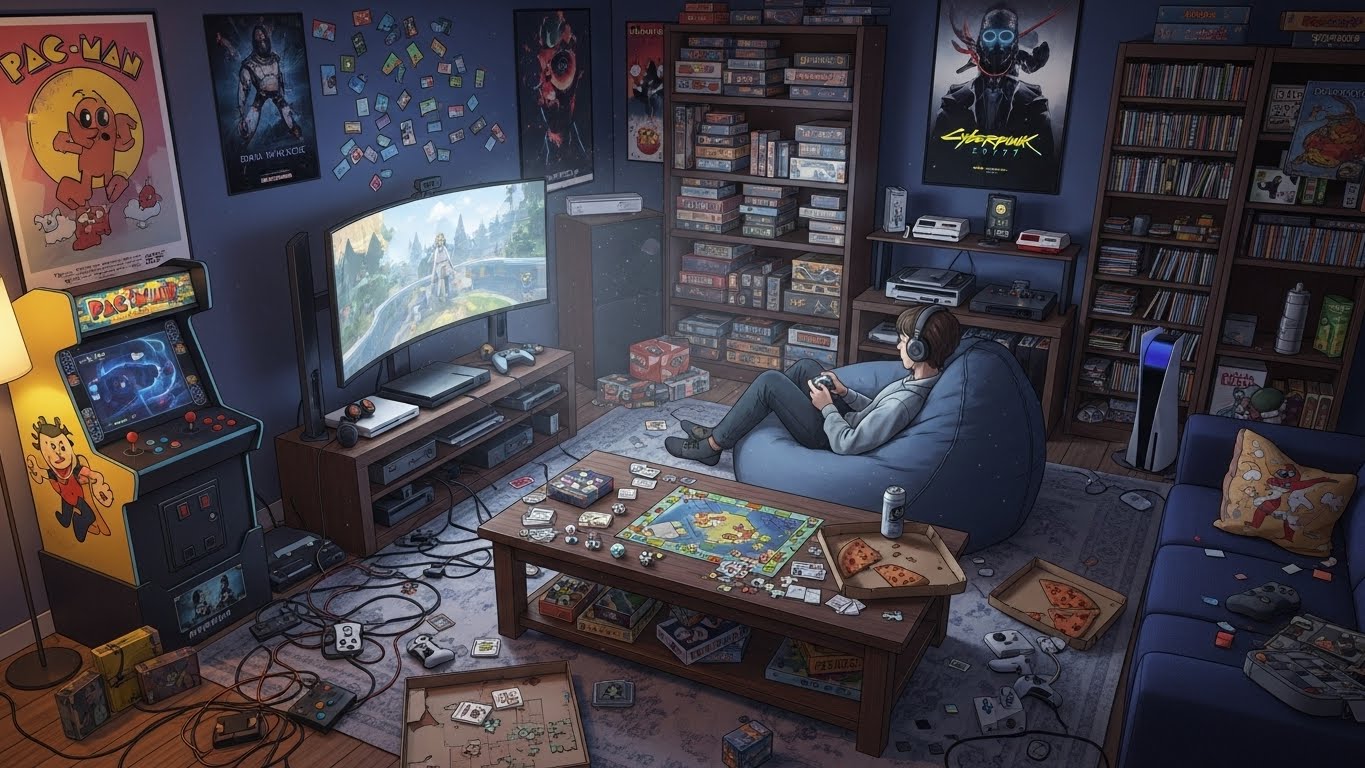
Video games remain the dominant form of interactive entertainment. Consoles like PlayStation, Xbox, and Nintendo Switch provide immersive experiences in genres ranging from action and adventure to role-playing and strategy. Popular titles like The Witcher 3, Call of Duty, and Grand Theft Auto exemplify the depth, storytelling, and visual sophistication achievable in modern gaming.
Mobile Games
Mobile games continue to grow in popularity due to their convenience and accessibility. Titles such as Pokémon Go, Clash of Clans, and Fortnite Mobile engage millions worldwide. Mobile games are designed for quick sessions, making them ideal for casual play, while still offering depth and complexity for dedicated players.
Board Games
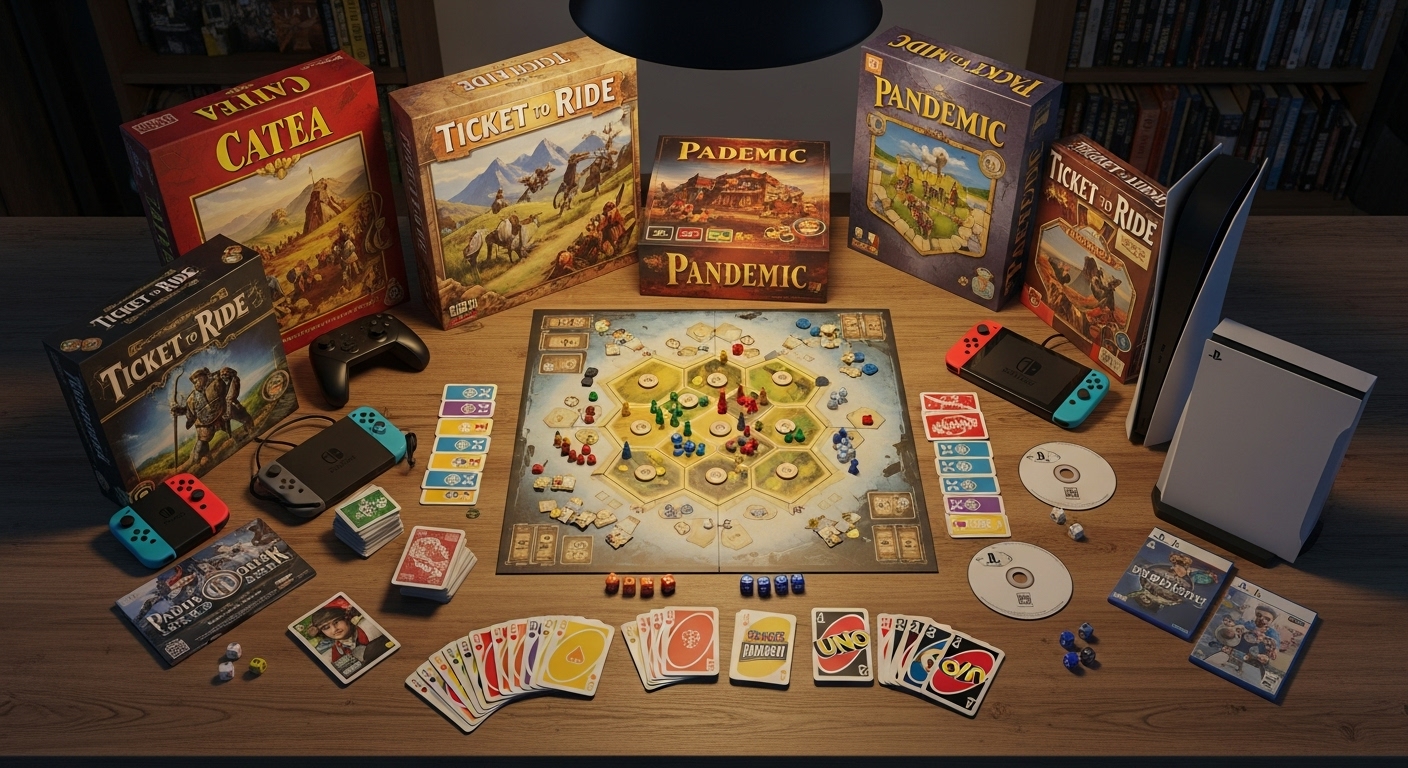
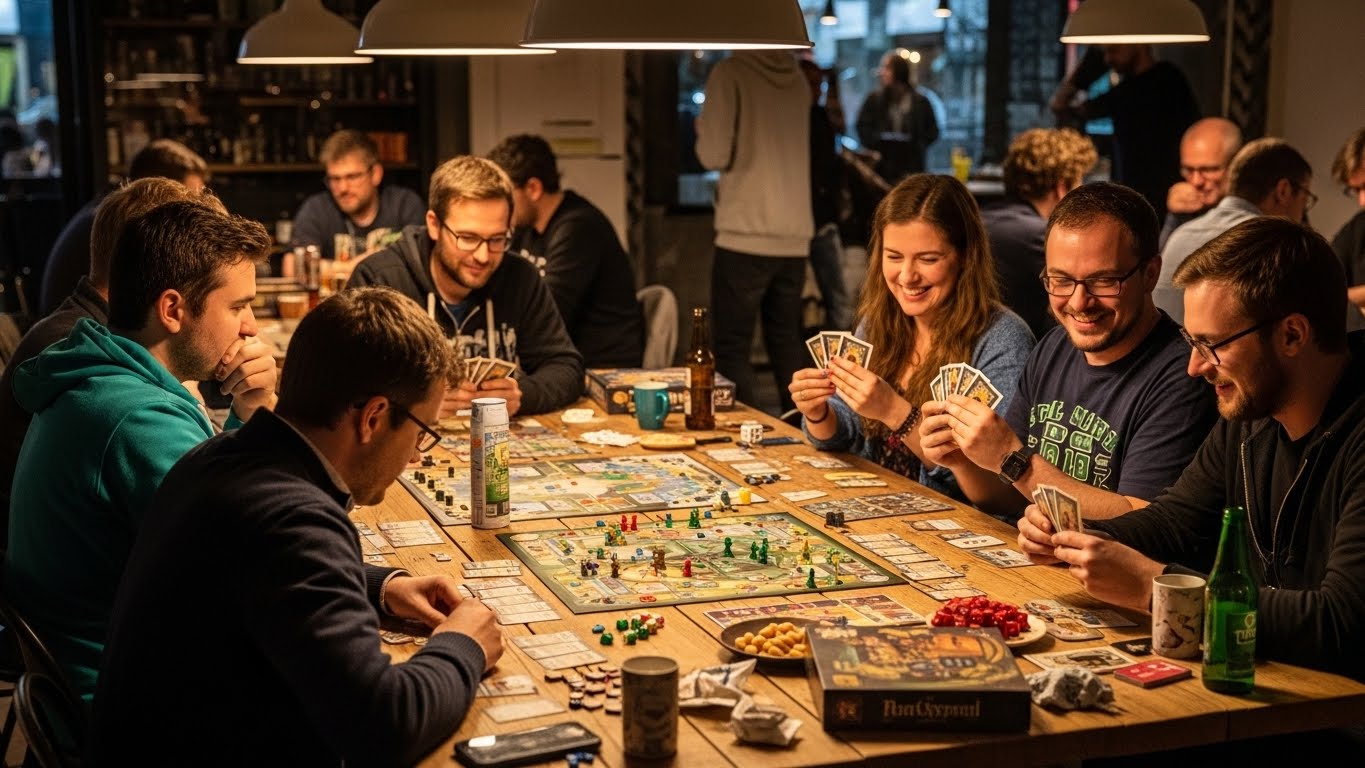
Board games remain timeless, providing social interaction and strategic challenges. Classics like Monopoly, Scrabble, and Risk coexist with modern games like Settlers of Catan, Ticket to Ride, and Codenames, which emphasize strategic thinking, collaboration, and creativity. Board games have also experienced a renaissance through tabletop gaming communities and conventions.
Card Games
Card games span from traditional formats like Poker, Bridge, and Solitaire to modern collectible card games such as Magic: The Gathering and Hearthstone. They offer a blend of strategy, skill, and luck, appealing to both casual and competitive players. Digital adaptations of card games have expanded accessibility and global reach.
Esports and Competitive Gaming
Esports has transformed gaming into a competitive spectator sport. Professional players compete in games such as League of Legends, Dota 2, Counter-Strike, and Fortnite, with tournaments offering substantial prize pools. Streaming platforms like Twitch and YouTube Gaming have further fueled the growth of esports, creating vibrant communities and career opportunities in competitive gaming.
Virtual Reality (VR) Games
Virtual reality gaming offers immersive experiences, allowing players to interact with game worlds in unprecedented ways. VR titles like Beat Saber, Half-Life: Alyx, and The Walking Dead: Saints & Sinners provide players with physical engagement and a sense of presence that traditional games cannot match.
Simulation Games
Simulation games recreate real-world activities for entertainment and learning. Flight simulators, racing games, and life simulation titles like The Sims allow players to experience scenarios and challenges outside their everyday lives. These games emphasize strategy, creativity, and problem-solving skills.
Indie Games
Indie games have risen in prominence due to platforms that enable independent developers to reach global audiences. Games like Hollow Knight, Celeste, and Undertale showcase innovation, unique storytelling, and creative gameplay, often pushing boundaries that mainstream titles cannot.
The Societal Impact of Games
Games influence culture, education, and social interaction in profound ways. Online multiplayer games foster global communities, encouraging collaboration, communication, and cultural exchange. Games are also used educationally, teaching subjects such as mathematics, history, coding, and critical thinking through interactive experiences.
Mental Health and Cognitive Benefits
Gaming offers cognitive and psychological benefits, including improved problem-solving skills, enhanced memory, and stress reduction. Certain games have therapeutic value, providing players with relaxation and a sense of accomplishment. Studies have shown that strategic games like Tetris and Portal can improve focus and reduce anxiety.
Social Connectivity
Games serve as a medium for social connection, whether through online multiplayer platforms or local cooperative gameplay. They create opportunities for shared experiences, community building, and teamwork, making gaming a social as well as recreational activity.
The Future of Gaming
The future of games is poised for continued innovation and expansion. Cloud gaming will allow players to stream high-quality games without needing powerful hardware, making gaming more accessible. Artificial intelligence will enhance adaptive gameplay, creating dynamic and personalized experiences. Virtual reality and augmented reality will continue to redefine immersion, while mobile and casual gaming will broaden the industry’s reach.
Games will also increasingly serve as platforms for education, mental health support, and social engagement. With advancements in technology, the lines between gaming, storytelling, and real-world experiences will blur, creating new forms of interactive entertainment that were previously unimaginable.
Conclusion
The world of games has evolved from simple board games and physical challenges to highly immersive digital experiences that span genres, platforms, and global communities. Games have become an essential part of modern culture, offering entertainment, social connection, education, and cognitive development. As technology continues to advance, the possibilities for games are virtually limitless. Whether you are a casual player, a competitive gamer, or a lifelong enthusiast, the universe of games offers endless opportunities for exploration, creativity, and enjoyment.
Gaming is not just a pastime; it is a reflection of human innovation, imagination, and the desire to connect, compete, and create. The journey of games is far from over, and the future promises even more extraordinary experiences for players around the world.