The Universal Language of Games
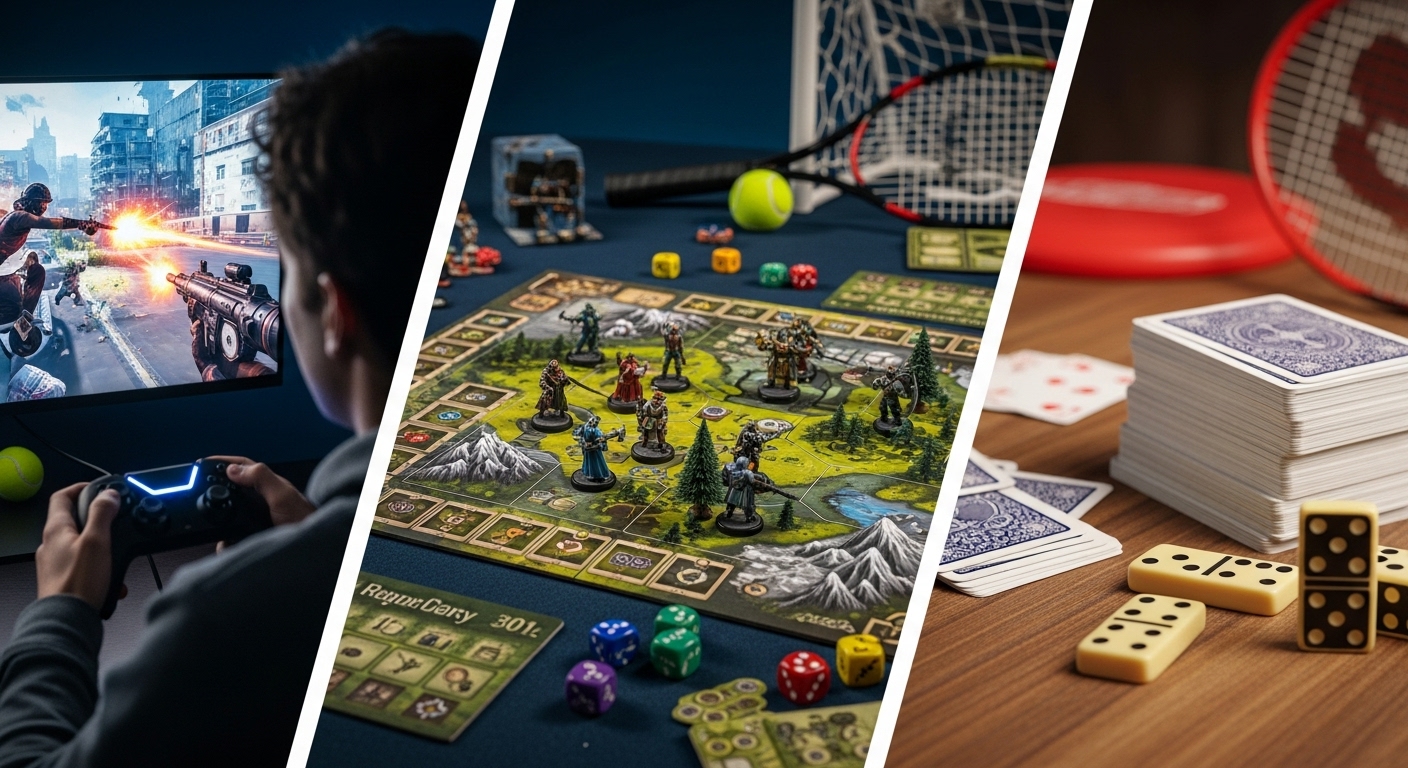
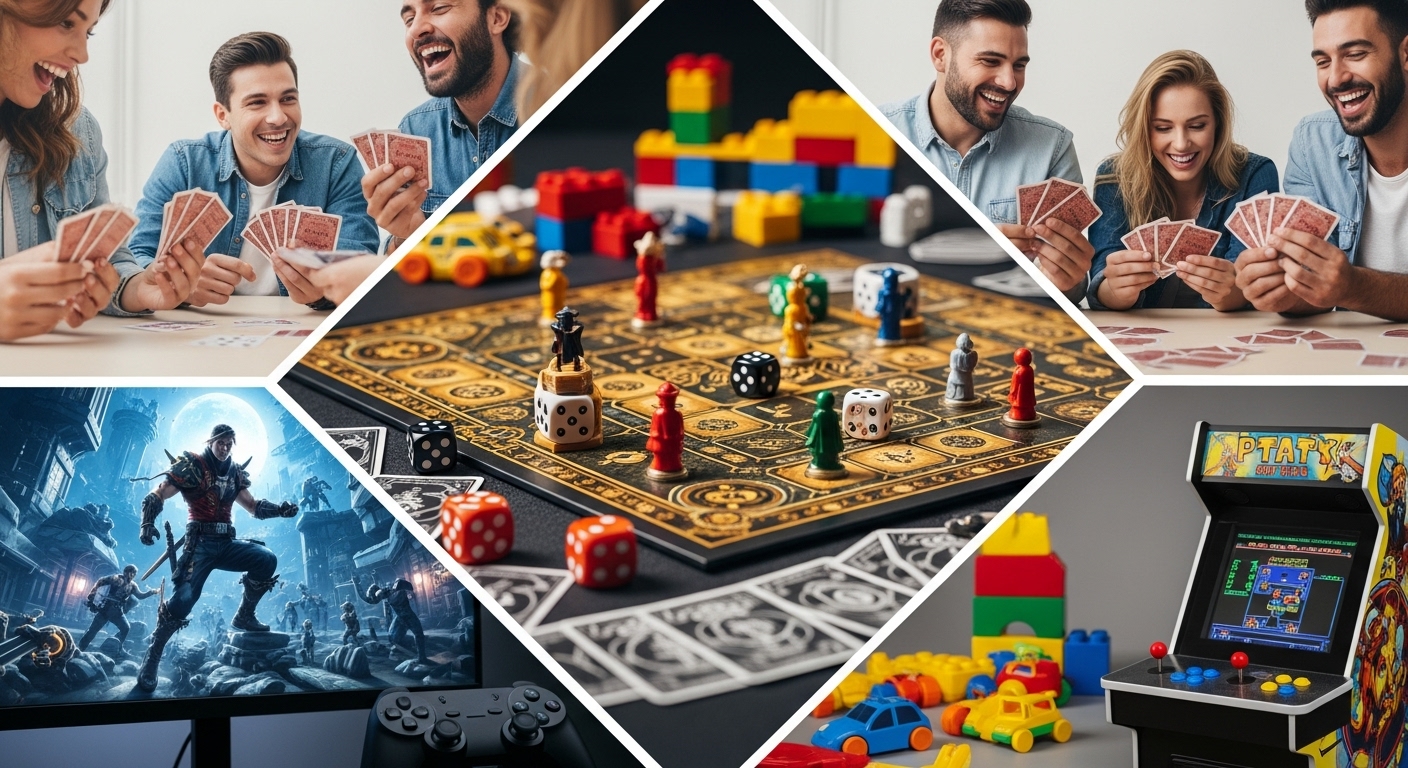
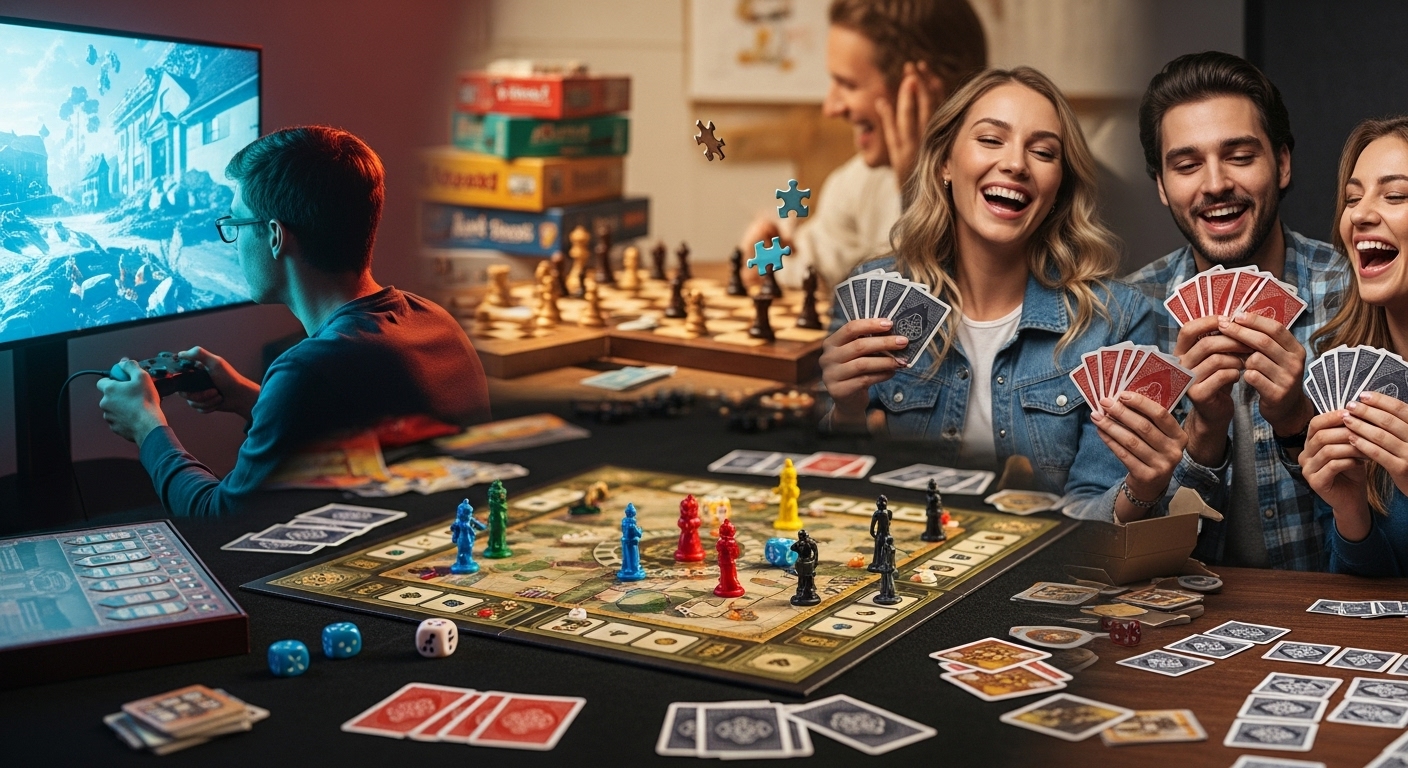
Games are one of the few things that transcend age, culture, and geography. From the moment humans could gather together, they have played. Whether tossing stones in ancient fields, drawing symbols in the sand, or battling monsters on glowing screens, the act of play has always united people. Games are not just about winning or losing; they are about creativity, competition, learning, and connection. They are the essence of human imagination turned into structured fun.
The beauty of games lies in their universality. Every civilization in history has invented its own forms of play. Ancient Egyptians played Senet, the Chinese played Go, and the Greeks enjoyed dice games. These early games weren’t just pastimes; they reflected society’s values, strategy, and even spirituality. Fast forward to today, and that same spirit lives on in digital realms where millions of people compete, collaborate, and create stories together.
The Evolution of Games Through the Ages
The journey of games from physical boards to digital worlds is a story of innovation. Board games and outdoor activities once dominated human entertainment. They required imagination and social interaction but limited the complexity of what could be experienced. The invention of computers changed that forever.
In the 1950s and 60s, engineers and scientists began experimenting with programming simple games. Titles like Pong and Space Invaders in the 1970s marked the birth of the video game era. Suddenly, people could interact with screens, control movement, and compete against a machine. It was revolutionary.
As technology advanced, so did the complexity of games. The 1980s brought arcade culture, where flashing lights and sounds filled crowded halls. The 1990s introduced 3D graphics, storytelling, and home consoles that turned gaming into a family activity. The 2000s and beyond saw online multiplayer modes connecting players worldwide. Today, the industry is a digital empire, merging art, technology, and psychology to create experiences more immersive than ever imagined.
Games as a Reflection of Society
Every generation’s games tell the story of its time. Ancient games reflected strategy and spirituality. Modern games mirror human ambition, creativity, and even social issues. When people play, they explore themes of survival, morality, and identity. Games are mirrors that allow society to explore itself safely through fiction and challenge.
Adventure games teach resilience and curiosity. Strategy games mirror real-world decision-making and leadership. Simulation games explore economy, city planning, and even life itself. Through play, people rehearse reality, often without realizing it. Games are not escapes from life; they are reflections of it — condensed into enjoyable challenges that stimulate thought and emotion.
The Art and Science Behind Game Creation
Every game is a masterpiece crafted through the marriage of art and science. Behind the pixels and code are artists, writers, sound designers, and programmers collaborating to build entire worlds. The process of creating a game involves imagination, precision, and a deep understanding of human psychology.
Game designers study how people think and feel, creating experiences that trigger curiosity, motivation, and satisfaction. The visuals, sounds, and mechanics all serve one purpose: to immerse players in the illusion of a living world. Whether it’s the sweeping landscapes of an open-world adventure or the quiet tension of a puzzle game, every detail is deliberate.
Music and sound are especially powerful in games. A single melody can evoke nostalgia or excitement. Visual storytelling, too, has reached cinematic levels, with modern games rivaling the emotional depth of movies. Game creation has become an art form that combines logic with beauty, technology with storytelling, and creativity with precision.
The Rise of Digital Communities
Games have evolved from solo adventures into vast social experiences. Online multiplayer games have created virtual societies where people from all corners of the world can meet, cooperate, and compete. In these digital spaces, teamwork, communication, and empathy often determine success.
Gaming communities have become modern tribes — bound not by geography but by shared passion. Players form friendships, rivalries, and memories within these virtual environments. For many, games are not just entertainment but an essential part of their social lives. The rise of streaming and content creation has further expanded this sense of community, turning players into entertainers and influencers who connect with millions.
This interconnectedness has also led to new opportunities for collaboration and learning. Players exchange ideas, build creative projects, and even organize charitable events through gaming platforms. The digital age has transformed play into a powerful form of social connection, proving that games are as much about people as they are about pixels.
The Educational Power of Games
Contrary to old beliefs, games are not distractions — they are powerful learning tools. They stimulate cognitive skills such as problem-solving, critical thinking, and strategic planning. Educational games are now used in classrooms to make subjects like math, science, and history engaging.
Beyond formal education, games teach resilience, teamwork, and adaptability. They encourage players to experiment, fail, and try again — valuable lessons for real life. Strategy games develop foresight, action games enhance coordination, and simulation games nurture creativity and management skills.
Moreover, games can help people explore empathy. Story-driven experiences allow players to step into different roles, cultures, and moral dilemmas, expanding their emotional intelligence. In a world where understanding and empathy are more important than ever, games have become tools for personal growth and social awareness.
The Psychological and Emotional Impact of Games
Games have a profound impact on the human mind. They stimulate joy, excitement, curiosity, and sometimes even sadness or fear. This emotional range is part of what makes them so powerful. Players experience the thrill of victory, the tension of suspense, and the satisfaction of achievement — all within a safe, controlled environment.
Psychologists have found that gaming can relieve stress and improve mental health. The sense of accomplishment after overcoming challenges releases dopamine, the brain’s reward chemical. Games also provide escape and relaxation, offering a break from real-world pressures. For some, they even serve as therapy, helping manage anxiety, depression, or loneliness by providing structure, purpose, and community.
Of course, balance is key. Excessive play can lead to negative effects, but when enjoyed responsibly, games are among the healthiest forms of mental stimulation. They combine relaxation with learning, creativity with challenge, and entertainment with personal growth.
The Business and Technology of Games
The gaming industry has grown into one of the most powerful sectors of the global economy. It has surpassed film and music in revenue, driven by constant innovation and a passionate fan base. New technologies such as artificial intelligence, cloud computing, and virtual reality continue to push boundaries.
Modern game engines allow developers to create vast worlds filled with lifelike physics, weather systems, and intelligent characters. AI-controlled opponents now adapt to players’ behavior, creating unique experiences each time. Virtual reality immerses players in fully interactive worlds, while augmented reality merges digital and physical realities.
The business side of gaming is equally fascinating. Independent developers now have the tools to create and publish their own games, bringing fresh ideas to the market. Meanwhile, large studios invest millions in blockbuster titles that rival Hollywood productions. The result is a diverse ecosystem where creativity thrives at every level.
The Future of Gaming and Human Imagination
The future of gaming promises to blur the line between fiction and reality. As technology advances, games will become more immersive, interactive, and emotionally resonant. Artificial intelligence will create dynamic narratives that adapt to player choices, while virtual environments will feel increasingly lifelike.
Beyond entertainment, games will continue to influence education, healthcare, and communication. Doctors already use simulation games for training, and therapists use interactive environments for rehabilitation. Games will become a central tool for learning, problem-solving, and even global collaboration.
One of the most exciting trends is the rise of user-generated content. Players can now create their own levels, characters, and stories, transforming from consumers into creators. This participatory culture ensures that gaming remains a vibrant and evolving form of expression.
Games as a Reflection of the Human Spirit
At their core, games are about imagination — the ability to dream, to create, and to challenge limits. They reflect the best aspects of humanity: curiosity, courage, and the joy of discovery. Every game, whether simple or complex, is a reminder that play is not just for children; it is a fundamental part of being human.
Games teach us patience when we fail, determination when we struggle, and celebration when we succeed. They remind us that life, like any good game, is about growth, exploration, and connection. The worlds we build in play often inspire the worlds we build in reality.
Conclusion
Games are far more than a form of amusement. They are cultural artifacts, educational tools, artistic creations, and social bridges. From ancient stones to virtual universes, games have shaped how humans think, learn, and interact. They continue to evolve alongside our technology and imagination, always reflecting who we are and what we aspire to become.
As the boundaries of reality and digital creation continue to fade, one truth remains constant — the human spirit thrives on play. Games are not just about entertainment; they are about exploration, creativity, and the endless pursuit of understanding ourselves and the worlds we imagine.
The endless game of life continues, one level, one challenge, and one story at a time. And as long as humans dream, they will keep playing — not to escape reality, but to expand it.