Introduction: Gaming as a Universal Phenomenon
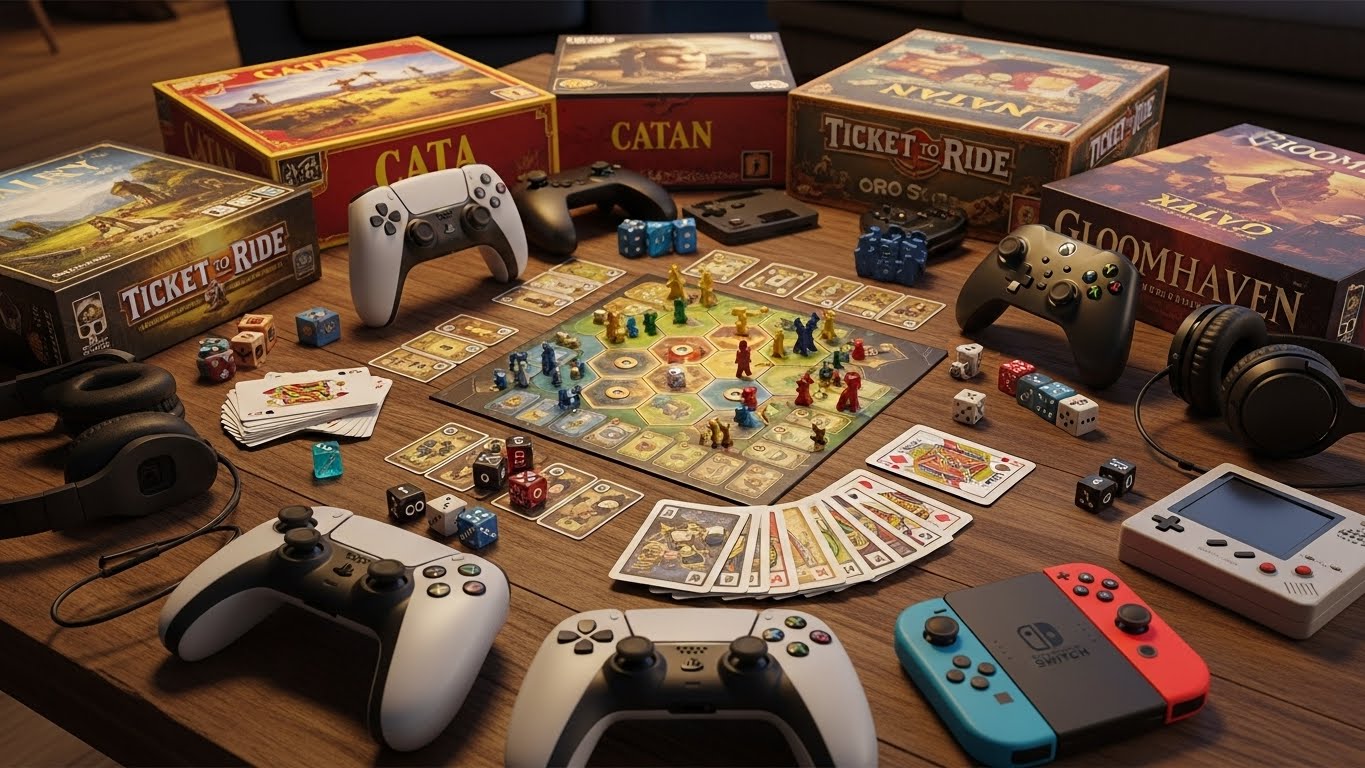
Gaming has become one of the most influential forms of entertainment in the modern era. Once considered a niche hobby, it now captivates millions of players worldwide across various platforms, from consoles and PCs to mobile devices. Games offer a unique blend of storytelling, strategy, skill, and social interaction, allowing players to explore new worlds and challenge themselves in ways that few other forms of entertainment can match. They are not just pastimes; games have grown into cultural touchstones, technological pioneers, and social connectors.
The Evolution of Games
The journey of gaming is as fascinating as the experiences they provide. Early video games like Pong and Space Invaders captivated audiences with simple mechanics and pixelated graphics. The arrival of home consoles in the 1980s and 1990s, such as the Nintendo Entertainment System and Sega Genesis, brought gaming into everyday life, making it a household activity. Over time, games evolved to include complex narratives, advanced graphics, and immersive environments. Today’s games span genres from open-world adventures and first-person shooters to puzzle games and simulation experiences, reflecting decades of technological innovation and creativity.
The Diversity of Game Genres
One of the most remarkable aspects of gaming is its diversity. Adventure games immerse players in rich storylines, allowing them to explore imaginative worlds and interact with compelling characters. Strategy games challenge critical thinking and planning skills, requiring players to make decisions that affect outcomes. Sports and racing games recreate real-world experiences and competitive thrills, while puzzle and casual games provide relaxing yet stimulating experiences. Multiplayer games, in particular, have become a global phenomenon, blending cooperation, competition, and social interaction in ways that redefine traditional play.
Mobile Gaming: Entertainment in Your Pocket
Mobile gaming has transformed how people engage with games. Smartphones make gaming accessible to anyone, anywhere, without the need for specialized equipment. Casual games have attracted diverse audiences, from children to older adults, by offering easy-to-learn mechanics with engaging challenges. Mobile platforms have also created opportunities for developers to experiment with innovative ideas, leading to creative gameplay experiences and new forms of storytelling. This accessibility has made gaming a daily activity for millions, blurring the line between casual entertainment and serious gaming.
The Social Impact of Gaming
Gaming is not just about individual enjoyment; it has a powerful social dimension. Online multiplayer games connect players from all corners of the globe, fostering collaboration and competition. Players form communities, build friendships, and share experiences within digital worlds. Streaming platforms and esports competitions further amplify social interaction, allowing fans to follow professional players and participate in live discussions. Gaming communities often extend beyond the screen, influencing social trends and cultural conversations. The social power of games demonstrates their ability to unite people through shared experiences and common interests.
Gaming and Cognitive Development
Contrary to outdated stereotypes, gaming can have significant cognitive benefits. Many games enhance problem-solving skills, strategic thinking, and memory. Fast-paced action games improve hand-eye coordination and reaction time, while simulation and strategy games develop planning and management abilities. Multiplayer and cooperative games encourage communication, teamwork, and leadership skills. In educational contexts, gamification has proven effective in teaching complex concepts by combining learning with interactive gameplay. Gaming, when balanced with other activities, can be a valuable tool for mental growth and development.
The Rise of eSports
Competitive gaming, or eSports, has transformed gaming into a professional pursuit. Tournaments attract millions of viewers, and professional players undergo rigorous training similar to traditional athletes. Games like Dota 2, League of Legends, and Counter-Strike have established global leagues with substantial financial rewards and fan followings. eSports has legitimized gaming as a career path and fostered opportunities in coaching, broadcasting, and game development. This professionalization demonstrates how gaming has evolved beyond casual entertainment into a global phenomenon with real-world impact.
The Role of Storytelling in Games
Games are increasingly recognized for their storytelling capabilities. Unlike traditional media, games allow players to actively participate in narratives, making choices that influence outcomes and character development. Role-playing games, adventure games, and interactive stories immerse players in emotionally resonant experiences. Developers now explore complex themes such as morality, identity, and social issues, proving that games can convey profound messages while remaining entertaining. This interactive storytelling sets games apart from passive forms of entertainment, offering a deeper, more personal engagement with the narrative.
Technological Innovation in Gaming
Technology drives the evolution of gaming, continually expanding its possibilities. High-definition graphics, realistic physics engines, and immersive sound design enhance player experiences. Virtual reality and augmented reality provide fully immersive worlds where players can explore environments and interact with objects in unprecedented ways. Artificial intelligence creates adaptive gameplay, ensuring that challenges remain engaging and dynamic. Technology has not only improved game quality but has also opened new creative avenues for designers to craft unique experiences.
The Psychological Benefits of Gaming
Gaming can provide more than entertainment; it can positively impact mental health. Engaging in gameplay can reduce stress, improve mood, and offer a sense of accomplishment. Social games foster community and combat loneliness, while problem-solving and strategic games stimulate the mind. While excessive gaming can be detrimental, moderate and balanced play often contributes to well-being, offering a safe and enjoyable outlet for relaxation and personal growth.
Challenges in the Gaming Industry
Despite its growth, the gaming industry faces challenges. Concerns about addiction, screen time, and online toxicity are significant issues that developers and communities continue to address. Monetization models, such as microtransactions, have sparked debates over fairness and ethics. Inclusivity and accessibility also remain critical challenges, as the industry strives to make games enjoyable for all players, regardless of ability or background. Addressing these issues is vital for maintaining the industry’s positive impact and ensuring a safe and engaging environment for all players.
Gaming as an Art Form
Games are increasingly recognized as a form of art. They combine visual design, music, storytelling, and interactivity into a cohesive experience. Developers carefully craft worlds, characters, and narratives to evoke emotions and create memorable experiences. Some games are celebrated for their artistic achievements, winning awards and critical acclaim for their creativity and innovation. Recognizing games as art highlights their cultural significance and underscores the creative talent involved in producing compelling interactive experiences.
The Future of Gaming
The future of gaming promises continued innovation and expansion. Cloud gaming will make high-quality experiences accessible without powerful hardware. Artificial intelligence may create personalized adventures tailored to individual player behavior. Virtual reality and augmented reality will offer immersive experiences that blend real and digital worlds. Social and interactive elements will continue to grow, making gaming a shared experience beyond the confines of the screen. As technology and creativity advance, games will continue to surprise, challenge, and inspire players worldwide.
Conclusion: Gaming as a Global Force
Gaming is no longer just a pastime; it is a cultural, social, and technological force that shapes modern life. Its ability to entertain, educate, and connect people demonstrates its profound impact. From casual mobile games to professional esports competitions, gaming encompasses a vast range of experiences, offering something for everyone. The evolution of gaming reflects human creativity, technological progress, and the desire for connection and exploration. As games continue to grow and innovate, they will remain an integral part of entertainment, culture, and personal development.
Closing Thoughts
The world of gaming is vast, dynamic, and full of opportunities for both players and creators. It is a medium where imagination, skill, and storytelling converge, offering experiences that are unique to interactive entertainment. Whether you play to relax, compete, or explore new narratives, gaming has a place in our lives as a source of joy, learning, and connection. Its influence will only continue to grow, solidifying its role as one of the most important forms of modern entertainment.