Introduction: The World of Gaming
Video games have grown far beyond simple pastimes. They now represent a global phenomenon that combines entertainment, storytelling, technology, and social interaction. Millions of people worldwide engage in gaming daily, whether on consoles, PCs, or mobile devices. Games are no longer just hobbies—they are platforms for creativity, competition, and cultural expression. Understanding the impact of gaming requires examining its evolution, genres, technological influences, and societal effects.
The Evolution of Gaming
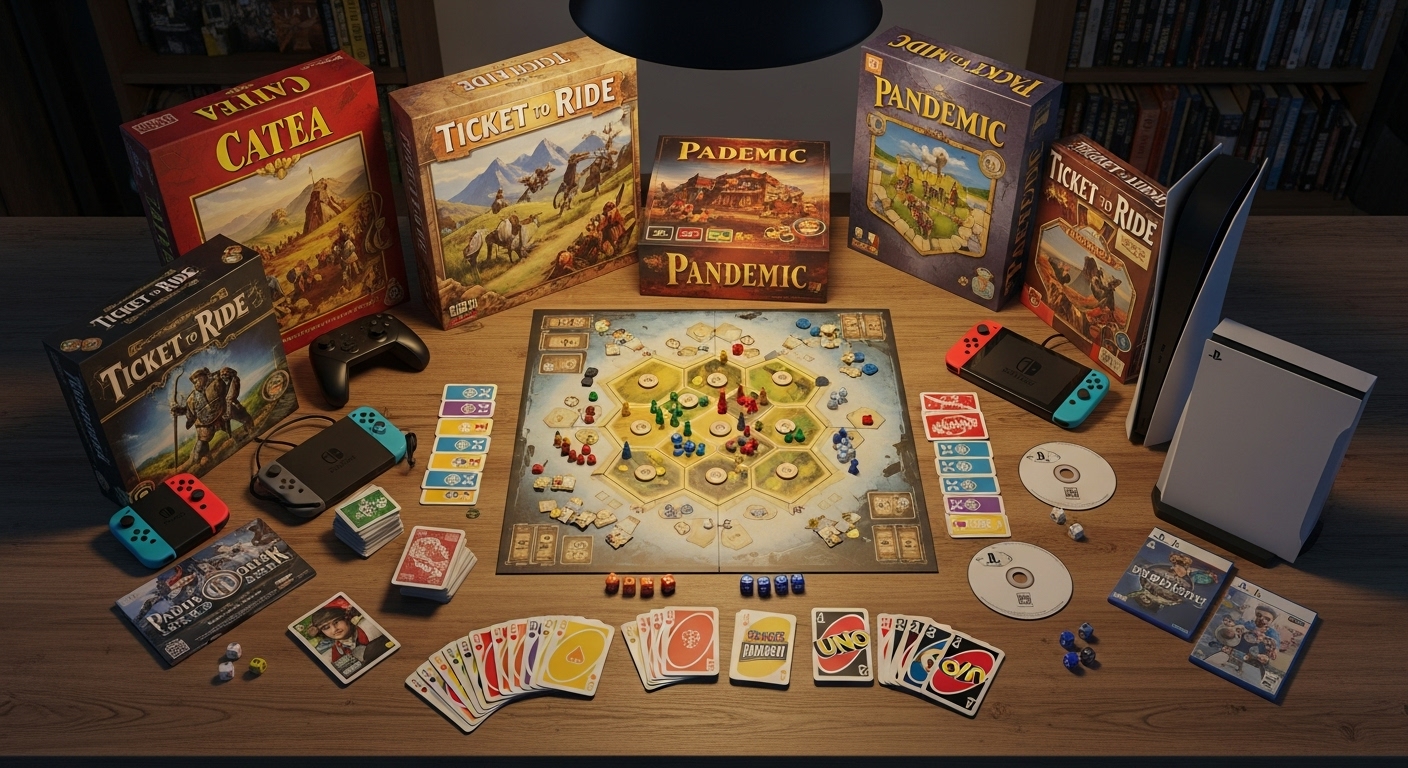
Gaming has come a long way from its humble beginnings. Traditional games like chess and card games provided the foundation for strategic thinking and entertainment. The late 20th century introduced video games, starting with arcade classics such as Pong, Space Invaders, and Pac-Man. Home consoles like the NES and Sega Genesis brought gaming into living rooms, while personal computers enabled more complex experiences. Over time, technological advancements in graphics, processing power, and internet connectivity transformed gaming into a global, interactive ecosystem.
The Diversity of Game Genres
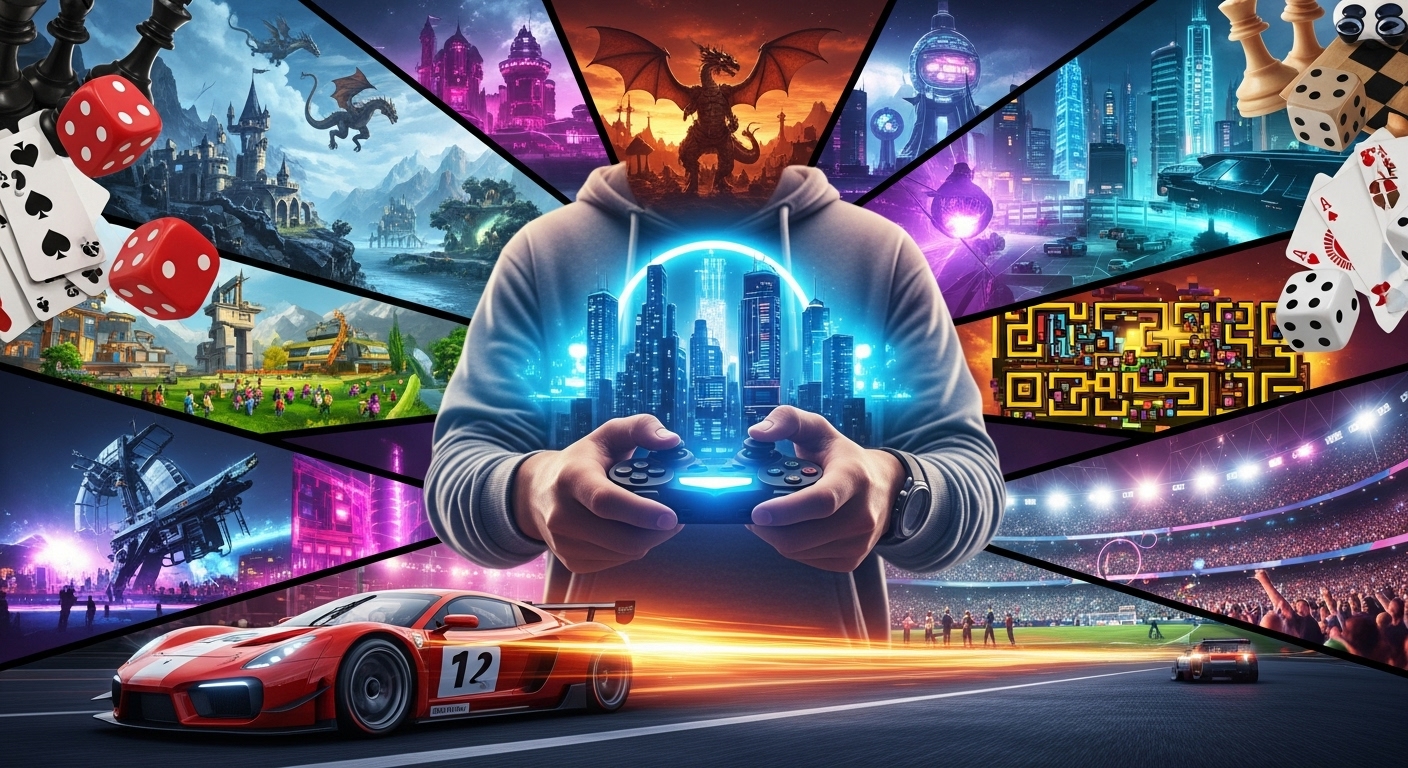
Video games encompass a wide range of genres, each appealing to different audiences. Action and adventure games focus on fast-paced gameplay and exploration. Role-playing games (RPGs) allow players to immerse themselves in expansive story-driven worlds. Simulation games replicate real-world activities such as city-building, flight, or farming. Strategy games emphasize planning, resource management, and tactical thinking. Sports and racing games replicate real-life athletic and competitive experiences. Puzzle and casual games provide accessible entertainment for quick sessions. This diversity ensures there is something for every type of player.
The Role of Technology in Gaming
Modern gaming is heavily reliant on technology. Advances in graphics processing enable realistic visuals and animations. Artificial intelligence enhances non-player character behavior, making virtual worlds more dynamic. Cloud gaming and high-speed internet allow seamless multiplayer experiences, while mobile devices make gaming portable and accessible. Technologies such as virtual reality (VR) and augmented reality (AR) offer immersive experiences that blend digital and physical environments. The evolution of gaming technology continues to redefine the possibilities of interactive entertainment.
The Cultural Impact of Gaming
Gaming has become a significant cultural force, influencing music, fashion, and media. Popular games create iconic characters, stories, and universes that extend beyond the screen. Gaming communities foster social interaction and collaboration, both online and offline. Major tournaments and esports events attract global audiences, turning games into professional sports and entertainment spectacles. The narratives, artistry, and creativity of games shape cultural trends, making gaming an essential part of contemporary society.
Esports and Competitive Gaming
Esports has transformed gaming into a professional and competitive industry. Players compete in organized tournaments for large prizes, recognition, and sponsorships. Titles like League of Legends, Dota 2, and Fortnite have established professional leagues with millions of viewers. Competitive gaming requires strategy, skill, teamwork, and mental endurance, comparable to traditional sports. Esports has also created career opportunities beyond playing, including coaching, streaming, event organization, and content creation, turning gaming into a viable profession.
Educational Benefits of Gaming
Video games can serve as powerful educational tools. Serious games and simulations teach critical thinking, problem-solving, and technical skills. Educational games make learning interactive and engaging, helping students grasp complex subjects like math, science, and history. Multiplayer and collaborative games encourage teamwork, communication, and leadership. By merging entertainment with education, gaming supports skill development, critical thinking, and lifelong learning in an enjoyable format.
Psychological and Cognitive Benefits
Contrary to common misconceptions, gaming offers several cognitive and psychological benefits. Strategy and puzzle games improve problem-solving, memory, and logical thinking. Multiplayer games enhance communication and collaboration skills. Gaming provides stress relief and mental stimulation, offering players a safe environment to explore challenges and creativity. Controlled gaming can also improve reaction times, multitasking abilities, and decision-making under pressure, making it a constructive leisure activity.
The Social Dimension of Gaming
Online gaming has fostered expansive social networks. Multiplayer games allow players to interact, cooperate, and compete globally. Communities form around shared interests, in-game chat, guilds, and tournaments, promoting collaboration and camaraderie. Social gaming creates a sense of belonging and encourages engagement beyond solitary play. By connecting diverse players worldwide, gaming transcends geographical boundaries, fostering cultural exchange and digital friendship.
Economic Significance of Gaming
The gaming industry is a major economic driver. Game development, publishing, hardware production, and streaming generate billions of dollars globally. Microtransactions, downloadable content, and subscription services create additional revenue streams. The industry also supports related sectors such as animation, music, storytelling, and technology development. Jobs in programming, design, marketing, and esports management reflect gaming’s economic diversity, highlighting its significance as both entertainment and a career industry.
Mobile Gaming and Accessibility
Mobile gaming has expanded the reach of interactive entertainment. Smartphones and tablets allow instant access to games anytime, anywhere. Mobile games often feature simple mechanics, short sessions, and social interactivity, appealing to casual and new gamers. The portability and affordability of mobile gaming have democratized access, enabling players worldwide to engage with diverse experiences and connecting a broader audience to digital gaming culture.
Virtual Reality and Augmented Reality Gaming
Virtual reality and augmented reality are revolutionizing gaming experiences. VR immerses players in fully interactive digital worlds, enhancing realism and engagement. AR overlays digital elements onto the physical environment, blending real and virtual experiences. These technologies are used in entertainment, training, education, and simulations. As hardware becomes more accessible, immersive gaming will become increasingly mainstream, offering unprecedented interaction and realism.
Challenges in Gaming
The gaming industry faces several challenges despite its growth. Excessive gaming can lead to addiction, social isolation, and health issues. Cybersecurity and privacy concerns are critical, particularly in online multiplayer and mobile platforms. Developers must balance monetization strategies with ethical practices, avoiding exploitative systems. Inclusivity and diversity remain important, ensuring games reflect global audiences. Addressing these challenges is essential for sustainable industry growth and player satisfaction.
The Future of Gaming
The future of gaming promises even greater innovation. Cloud gaming will reduce the need for expensive hardware, making high-quality experiences widely accessible. Artificial intelligence will create adaptive worlds that respond dynamically to player choices. Esports and streaming will continue to expand, offering professional opportunities and entertainment for millions. VR, AR, and haptic feedback will enhance immersion, providing unparalleled sensory experiences. Gaming will continue to intersect with culture, technology, and creativity, pushing the boundaries of entertainment.
Conclusion: Gaming as a Cultural and Technological Force
Video games have evolved from simple leisure activities into complex cultural and technological phenomena. They entertain, educate, and connect people globally, offering cognitive, social, and economic benefits. From mobile and console gaming to VR, AR, and esports, the industry continues to innovate and grow. Gaming has become a driving force in culture, technology, and economy, influencing creativity, social interaction, and global connectivity. As the industry progresses, gaming will continue to shape the future of digital entertainment, inspiring generations to play, compete, and create.