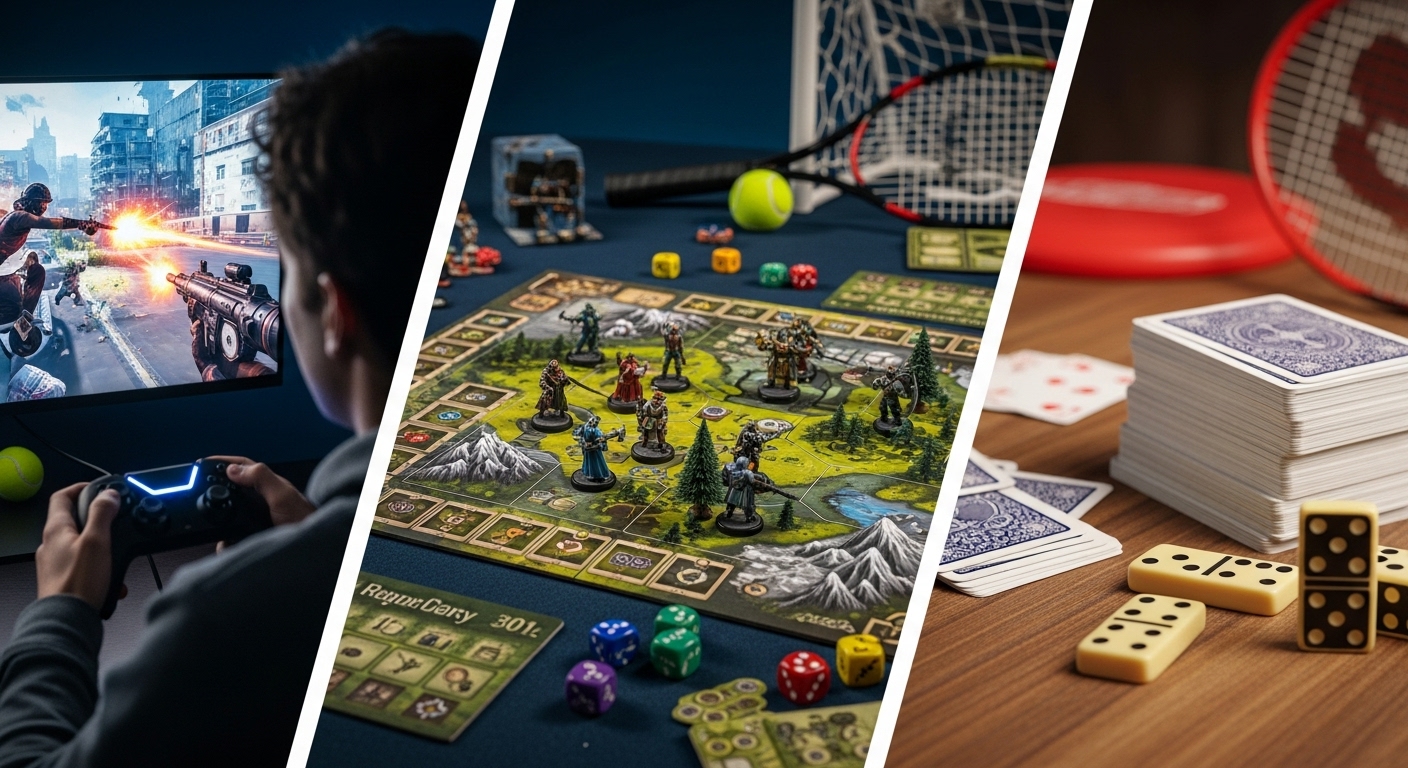

Introduction The Endless Magic of Games
Games have always been an integral part of human culture, long before technology transformed them into the digital experiences we know today. Whether played on a board, a field, or a screen, games offer a unique blend of challenge, creativity, social interaction, and storytelling. They allow us to explore new worlds, test our skills, and connect with others in ways that everyday life often cannot provide.
In recent decades, the gaming world has expanded rapidly, becoming a global phenomenon that transcends age, culture, and geography. The rise of digital games has given birth to new genres, new communities, and entirely new ways to play. This blog explores the diverse universe of games, their evolution, their impact on society, and why they remain a powerful force of entertainment and inspiration.
The Evolution of Gaming From Simple Play to Complex Worlds
Games have come a long way from ancient board games and traditional sports. Early games were simple, like dice rolling or basic strategic moves on a board. These games laid the foundation for competition, strategy, and entertainment.
With the development of computers and consoles, gaming entered a new era. The earliest digital games featured basic graphics and simple gameplay. Titles like Pong, Tetris, and early platformers set the stage for everything that followed. As technology advanced, games evolved into intricate experiences with detailed worlds, dynamic characters, and captivating storylines.
Today, gaming spans countless genres, styles, and platforms. From mobile apps to high-end consoles, virtual reality headsets to online multiplayer universes, the world of gaming has become a vast and diverse ecosystem full of endless possibilities.
The Power of Immersive Storytelling
One of the most remarkable aspects of modern games is their ability to tell stories. Games have grown into a storytelling medium as impactful as books, films, and television. Through interactive narratives, players become part of the story, influencing outcomes and shaping characters’ destinies.
Role-playing games, adventure games, and narrative-driven titles immerse players in emotional journeys. Characters evolve, relationships develop, and choices matter. The sense of agency and involvement creates a deep emotional connection that few other forms of media can match. Players become heroes, explorers, strategists, and even storytellers in their own right.
The Rise of Multiplayer and Online Communities
The expansion of the internet changed gaming forever. Multiplayer modes allowed players to compete and collaborate with others beyond their local environment. Online communities formed around various games, creating friendships and rivalries that span continents.
These communities offer players a sense of belonging, shared excitement, and collective creativity. Whether joining a guild, participating in a competitive match, or simply exploring a game world with friends, online gaming creates meaningful connections.
Multiplayer games have introduced new social experiences, where teamwork, communication, and strategy are essential for success. These shared adventures often produce memorable moments that players talk about for years.
Mobile Gaming A Revolution in Accessibility
Mobile gaming has emerged as one of the most influential shifts in the gaming landscape. With smartphones and tablets widely available, millions of people now have access to games at their fingertips.
Mobile games appeal to a broad audience, from casual players to dedicated gamers. Whether solving puzzles, managing virtual farms, battling opponents, or playing strategy games, mobile gaming offers quick, engaging experiences that fit into daily life.
This accessibility has made gaming more inclusive, allowing individuals of all ages and backgrounds to join the fun.
The Artistry Behind Games
Modern games are not just entertainment; they are works of art. Developers blend visual design, music, storytelling, animation, and programming to create immersive experiences. The artistry in games is evident in stunning landscapes, detailed characters, and cinematic soundtracks that bring worlds to life.
Game design requires imagination and innovation. Designers must balance challenge, creativity, and emotional engagement. Each element of a game, from mechanics to music, contributes to the overall experience. As a result, gaming has become an artistic medium that inspires players and creators alike.
The Influence of Games on Culture
Games have become deeply embedded in popular culture. Characters, memes, quotes, and symbols from games appear everywhere, from clothing and music to movies and social media.
Gaming has shaped the way people interact and communicate. Terms and phrases from games often become part of everyday language. The rise of gaming content creators and streamers further demonstrates gaming’s cultural reach, as millions of viewers tune in to watch gameplay, discussions, and creative content.
Esports, speedrunning events, and fan conventions bring communities together, showcasing gaming’s cultural significance. The influence of games extends far beyond the screen, touching multiple aspects of modern life.
Educational and Cognitive Benefits of Gaming
While often viewed purely as entertainment, games offer many educational benefits. Strategy games improve critical thinking and problem-solving skills. Puzzle games sharpen memory and logic. Simulation games teach resource management, planning, and creativity.
Educational games provide interactive learning experiences for children and adults alike. Schools and universities increasingly incorporate games into lessons to engage students and enhance learning.
Beyond education, gaming can also improve hand-eye coordination, multitasking skills, and decision-making abilities. Many games require quick thinking, adaptability, and teamwork, skills that are valuable in real-life situations.
The Social and Emotional Impact of Games
Games can have a positive emotional impact, offering players relaxation, stress relief, and a sense of achievement. Completing a challenging level, solving a complex puzzle, or winning a hard-fought match can boost confidence and create feelings of satisfaction.
Games also provide a safe space to explore emotions and overcome obstacles. They allow players to experience bravery, resilience, curiosity, and empathy through the characters they control.
For many, gaming is a form of escape from daily stress and a way to unwind. The emotional connections formed through gaming experiences can be powerful and long-lasting.
The Business of Gaming A Growing Global Industry
The gaming industry has grown into one of the largest entertainment sectors in the world. It generates massive revenue through game sales, in-game purchases, merchandise, and competitive events.
Game developers, publishers, marketers, artists, and designers form a vast network of professionals behind the scenes. The industry offers numerous career opportunities for individuals passionate about technology, creativity, and storytelling.
As gaming continues to evolve, new technologies such as cloud gaming and virtual reality promise to expand the industry even further.
The Challenges Facing the Gaming World
Despite its success, the gaming world faces certain challenges. Toxic behavior, online harassment, and unfair gameplay are issues that developers and communities strive to address.
Another challenge involves managing gaming habits. While games are enjoyable and engaging, maintaining a healthy balance is important to avoid neglecting other aspects of life.
Developers also face the ongoing task of creating inclusive and accessible games that welcome players of all backgrounds and abilities. Addressing these challenges is essential for gaming’s continued growth and positive impact.
The Future of Games Innovation and Imagination
The future of gaming is full of exciting possibilities. Advancements in technology will lead to more immersive experiences, realistic graphics, and innovative gameplay mechanics.
Virtual reality and augmented reality will continue transforming how players interact with game worlds. Artificial intelligence will enhance game design, creating smarter opponents and more dynamic stories.
Cross-platform play will bring players together regardless of their devices, expanding communities and enhancing social experiences. As gaming evolves, it will continue pushing the boundaries of creativity and imagination.
Why Games Matter More Than Ever
Games matter because they bring people together. They inspire creativity, challenge the mind, and create shared experiences that form lasting memories. Games provide joy, excitement, and escape during stressful times. They offer worlds where players can be explorers, heroes, builders, and dreamers.
More than anything else, games remind us of the importance of play. In a world filled with responsibilities and expectations, games offer a space where imagination thrives and possibilities feel endless.
Conclusion A Celebration of Play
Games have become one of the most powerful forms of entertainment in modern society. They blend technology, art, storytelling, and social connection in ways no other medium can match. From childhood memories of board games to the immersive digital worlds of today, games continue to shape our lives in meaningful ways.
As technology evolves and creativity flourishes, the world of gaming will only continue to grow. Whether played on a screen, a table, or outdoors, games will always have a special place in our hearts. They represent joy, challenge, imagination, and the belief that every player has the potential to achieve greatness in the worlds they explore.