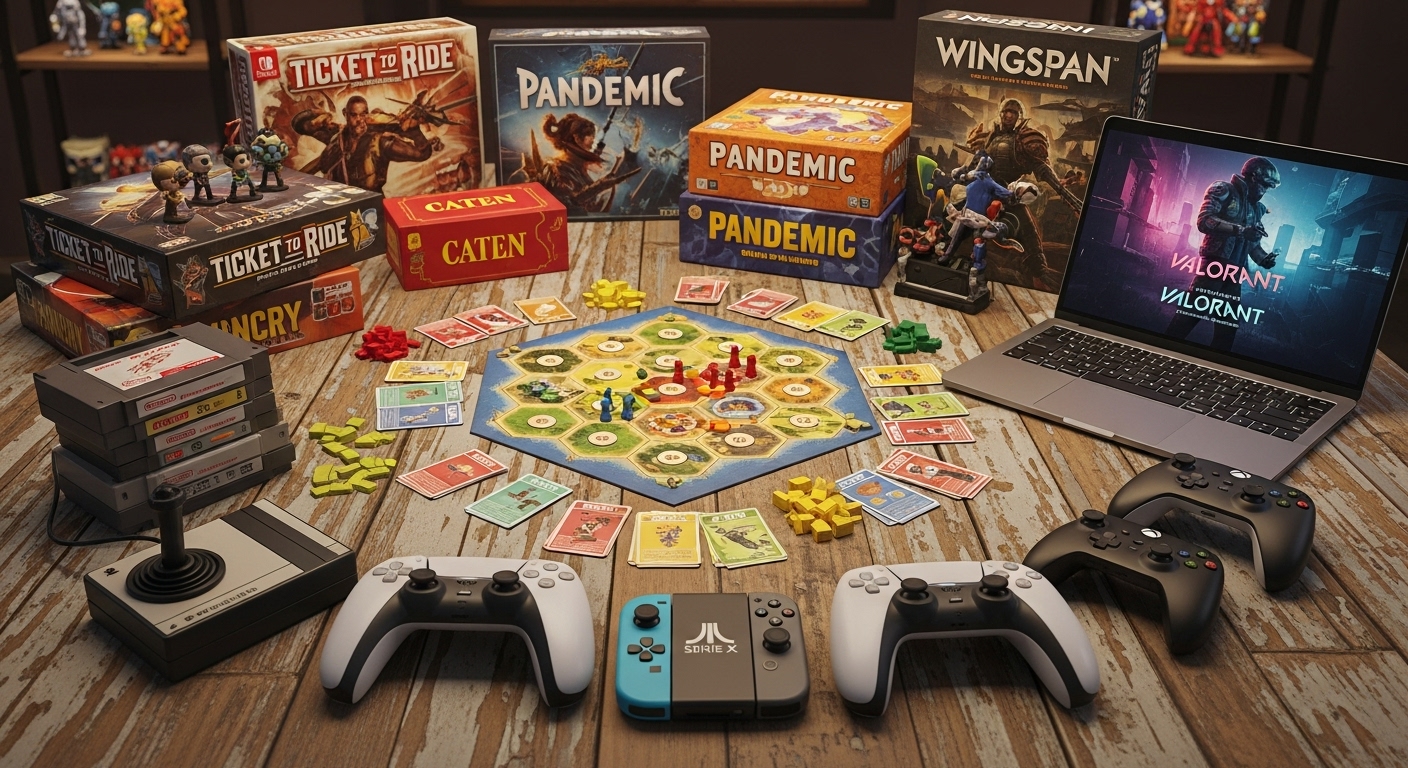

Games have been an integral part of human civilization for centuries. They entertain, challenge, and inspire people across all age groups. From ancient board games to modern video games, the diversity of games is astonishing. They are not just a way to pass time; games serve as a medium for learning, building strategic thinking, and fostering social interaction. This blog post explores the world of games, their types, benefits, and how they have evolved over time.
The Evolution of Games
Games have existed since the dawn of human civilization. Early humans used games as a way to teach survival skills, sharpen mental acuity, and strengthen social bonds. Board games like Senet in ancient Egypt and Go in ancient China are examples of games that have survived thousands of years. As society evolved, so did games. The 20th century saw the rise of tabletop games, card games, and sports, while the late 20th and early 21st centuries introduced video games and mobile gaming, transforming how we play. The evolution of games reflects not only technological advancements but also changes in human culture and interests.
Types of Games and Their Unique Appeal
Games can be broadly categorized into several types, each offering a unique experience. Understanding these categories helps us appreciate the diversity and depth of gaming as a pastime.
Board Games: Strategy Meets Fun
Board games have stood the test of time due to their simplicity and strategic depth. Games like chess, Monopoly, and Settlers of Catan are more than just entertainment; they require careful planning, foresight, and decision-making. Modern board games often blend storytelling with strategy, creating immersive experiences for players. The tactile nature of moving pieces and rolling dice adds a physical dimension that digital games cannot replicate, making board games a timeless favorite.
Card Games: Luck and Skill Combined
Card games have fascinated players for centuries due to their balance of skill and luck. Classics like Poker, Bridge, and Rummy require players to think strategically, read opponents, and make quick decisions. Card games are portable, easy to learn, and can be played both casually and competitively. They often serve as social bonding activities, bringing people together in homes, cafes, and tournaments worldwide.
Video Games: Digital Adventures and Immersive Worlds
Video games have revolutionized the gaming industry. They offer immersive experiences that transport players into virtual worlds, allowing them to explore, compete, and create. From action-packed shooters to intricate role-playing games, video games cater to all tastes. Online multiplayer games, in particular, have created global communities, where players collaborate or compete with people from different cultures. The technological innovations in graphics, sound, and gameplay mechanics make video games a constantly evolving medium of entertainment.
Mobile Games: Gaming on the Go
The rise of smartphones has made gaming more accessible than ever. Mobile games, such as puzzle games, strategy games, and casual apps, allow players to enjoy gaming anytime, anywhere. They are designed for quick bursts of entertainment, making them ideal for busy lifestyles. Mobile gaming has also created opportunities for innovative game design, where developers experiment with touch controls, augmented reality, and social integration to enhance user experience.
Sports and Physical Games: Fitness Through Fun
Physical games and sports combine exercise with competition, promoting health and teamwork. Soccer, basketball, cricket, and tennis are not only popular recreational activities but also professional sports that attract millions of fans worldwide. Sports require physical skill, endurance, and strategy, and they foster discipline, resilience, and camaraderie. Beyond competition, playing sports also provides a sense of achievement and emotional well-being, making them an essential part of a balanced lifestyle.
The Benefits of Playing Games
Games are more than entertainment; they provide a variety of cognitive, emotional, and social benefits. Understanding these benefits helps us see why games hold such a universal appeal.
Cognitive Development and Problem Solving
Many games challenge the mind, enhancing critical thinking, memory, and problem-solving skills. Strategic games like chess, puzzle games, and role-playing games require players to plan ahead, anticipate outcomes, and adapt to changing situations. These mental exercises strengthen the brain, improve focus, and boost creativity. Even casual games can stimulate cognitive functions by encouraging pattern recognition and logical thinking.
Emotional Well-being and Stress Relief
Playing games can have a positive impact on mental health. Engaging in enjoyable activities releases endorphins, reducing stress and anxiety. Games also provide a sense of accomplishment when players achieve goals or overcome challenges. Immersive video games or relaxing puzzle games can act as a form of escapism, allowing players to temporarily step away from the pressures of daily life and recharge emotionally.
Social Interaction and Community Building
Many games, especially multiplayer and team-based ones, foster social connections. Players communicate, collaborate, and compete, building friendships and communities. Online gaming platforms have created virtual social spaces where people from different countries can interact, share experiences, and work together toward common goals. Even traditional games, such as board games and sports, strengthen interpersonal skills by promoting teamwork, communication, and empathy.
Skill Development and Lifelong Learning
Games often teach valuable life skills that extend beyond entertainment. Strategy games enhance planning and decision-making abilities, sports build discipline and resilience, and cooperative games encourage leadership and teamwork. Additionally, educational games provide opportunities for learning in areas such as mathematics, history, language, and science. By combining fun with skill development, games make learning an engaging and enjoyable experience.
The Future of Gaming
The gaming industry continues to evolve rapidly, driven by technology, creativity, and consumer demand. Virtual reality, augmented reality, and artificial intelligence are reshaping how we play, offering increasingly immersive and interactive experiences. Cloud gaming and streaming services allow players to access high-quality games without expensive hardware, making gaming more inclusive and accessible.
The future also points to more personalized and adaptive gaming experiences. Artificial intelligence can tailor challenges based on individual player behavior, while augmented reality integrates games into the real world, blurring the lines between virtual and physical play. As technology advances, the possibilities for creativity and innovation in gaming are virtually limitless.
Conclusion: Games as a Reflection of Human Creativity
Games are more than mere pastimes; they are a reflection of human creativity, culture, and ingenuity. They entertain, educate, and connect people, transcending age, language, and geography. From ancient board games to futuristic virtual worlds, games continue to evolve, offering endless opportunities for fun, learning, and personal growth. By embracing the diverse world of games, we not only enrich our leisure time but also unlock cognitive, emotional, and social benefits that enhance our daily lives.
Whether you are a casual gamer, a competitive strategist, or someone exploring games for the first time, there is something in the world of games for everyone. The journey through games is one of discovery, challenge, and joy—a journey that continues to grow alongside human imagination and technological innovation.