
The Dynamic World of Gaming
Gaming has always been a global phenomenon, but over the last few decades, it has transformed from a niche hobby to a multi-billion-dollar industry. Video games have evolved from simple pixelated graphics to immersive, hyper-realistic experiences. From the days of arcade machines to today’s expansive open-world games, the gaming industry has grown exponentially, attracting players of all ages and backgrounds. The rise of new technologies, platforms, and game genres continues to push the boundaries of what we think is possible, and the future of gaming is more exciting than ever.
The Rise of Cloud Gaming: Play Anywhere, Anytime
One of the most significant changes in the gaming world is the emergence of cloud gaming. This technology allows players to stream games directly to their devices without the need for powerful hardware. Services like Google Stadia, Xbox Cloud Gaming, and Nvidia GeForce Now enable gamers to access their favorite titles on any device—be it a smartphone, tablet, or laptop—without the need for expensive consoles or high-end PCs.
Cloud gaming is poised to revolutionize the industry by making gaming more accessible and affordable. Players no longer need to invest in expensive hardware or upgrade their systems every few years. As long as they have a stable internet connection, they can access high-quality games anytime, anywhere. This shift could also democratize gaming, allowing players from regions where consoles are less affordable to enjoy the same experiences as those in more developed markets.
Virtual Reality and Augmented Reality: Gaming Beyond the Screen
Virtual reality (VR) and augmented reality (AR) are two technologies that are transforming how players interact with games. VR immerses players in a completely digital world, often requiring specialized headsets and controllers to navigate the virtual space. Games like Beat Saber and Half-Life: Alyx have proven that VR can provide an unmatched level of immersion, where players physically move and interact with the environment as if they were truly part of the game.
On the other hand, AR blends digital elements with the real world. Games like Pokémon Go have shown how AR can create unique, location-based gaming experiences. As AR technology continues to evolve, it’s likely that we’ll see more games that merge the digital and physical worlds, allowing players to engage with their environment in innovative ways. Both VR and AR are still in their infancy, but their potential to reshape gaming is immense.
The Expansion of Esports: Gaming as a Professional Career
Esports has gone from being a niche interest to becoming a legitimate global industry. Professional gaming tournaments now offer multi-million-dollar prize pools, and players can make a career out of competing in their favorite games. Titles like League of Legends, Dota 2, and Fortnite have massive esports followings, with millions of viewers tuning in to watch their favorite teams and players compete.
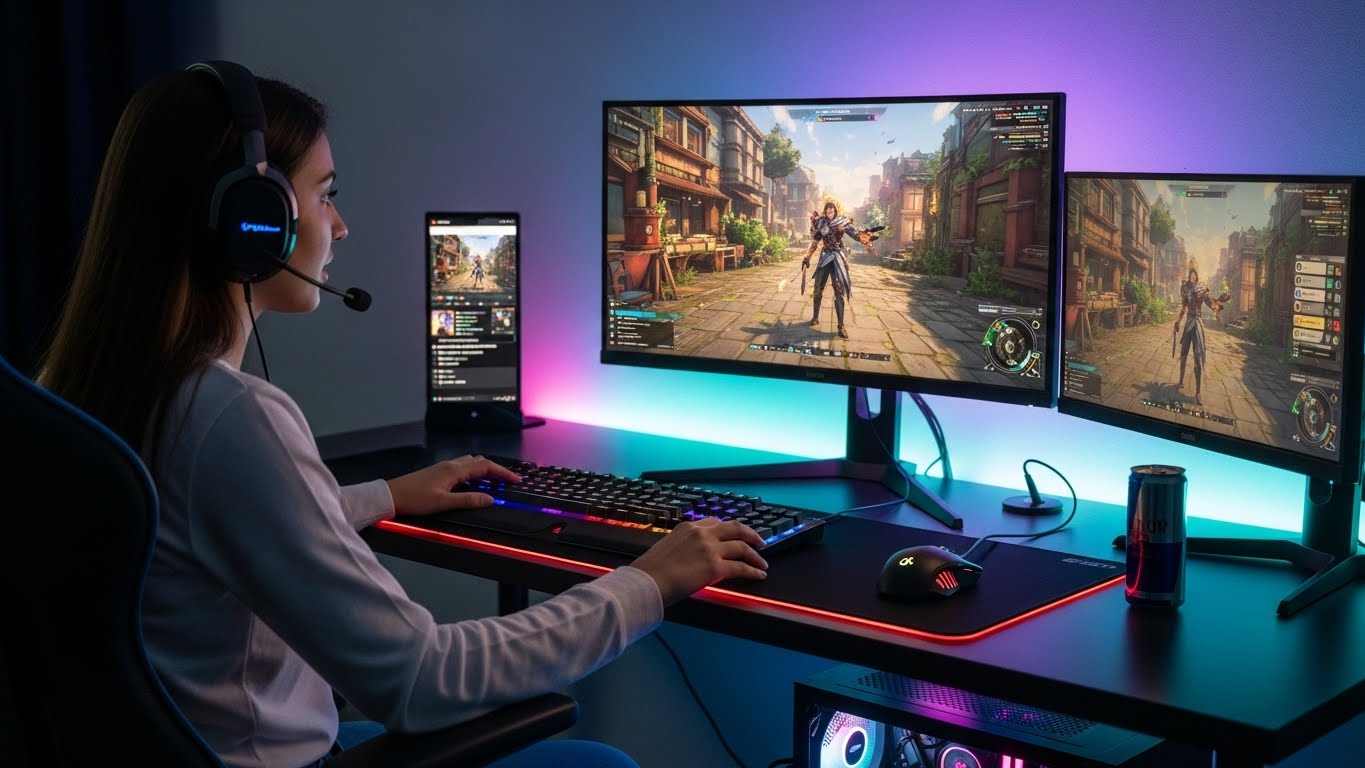
Esports has also changed the landscape of gaming culture, creating new avenues for fans to interact with their favorite gamers. Streaming platforms like Twitch and YouTube Gaming allow players to broadcast their gameplay live, engaging with their audience in real time. This shift has not only made gaming more social but has also opened up new career opportunities, such as professional gamers, coaches, analysts, and content creators. The rise of esports as a legitimate career path shows how gaming is evolving beyond mere entertainment into a fully-fledged industry.
The Influence of Indie Games: A New Wave of Creativity
While big-budget AAA games often dominate the headlines, indie games have emerged as a powerful force in the gaming world. Independent developers are creating unique, thought-provoking, and innovative games that push the boundaries of traditional gaming. Titles like Hades, Celeste, and Undertale have garnered critical acclaim for their storytelling, gameplay mechanics, and artistic direction.
The rise of platforms like Steam, itch.io, and Epic Games Store has provided indie developers with the tools and visibility to release their games to a global audience. With lower production costs and the freedom to experiment with unconventional ideas, indie games have become a breeding ground for creativity. They offer players fresh experiences that often don’t adhere to the traditional formulas of mainstream gaming. This shift toward indie games highlights how gaming has become more diverse, offering something for everyone.
The Integration of Artificial Intelligence: Smarter, More Dynamic Gameplay
Artificial intelligence (AI) is another technology that’s making waves in the gaming industry. Traditionally, non-playable characters (NPCs) followed pre-programmed routines, but AI is enabling these characters to react more dynamically to the player’s actions. Games like The Last of Us Part II and Red Dead Redemption 2 feature NPCs that respond to players’ choices in more realistic and nuanced ways.
AI is also being used to enhance game design. Procedural generation techniques, powered by AI, are allowing developers to create vast, procedurally generated worlds that feel unique every time a player explores them. Minecraft and No Man’s Sky are prime examples of games that utilize procedural generation to create expansive worlds filled with endless possibilities. As AI technology continues to evolve, we can expect even more sophisticated NPC behavior, dynamic storylines, and personalized experiences that adapt to how each player interacts with the game.
Mobile Gaming: Gaming in the Palm of Your Hand
The mobile gaming market has exploded in recent years, thanks to the widespread availability of smartphones and tablets. Games like Candy Crush, Clash of Clans, and PUBG Mobile have garnered massive followings, making gaming more accessible than ever before. Unlike traditional console or PC gaming, mobile gaming allows players to enjoy their favorite titles on the go, whether they’re commuting, traveling, or waiting in line.
Mobile games also cater to a wider variety of play styles. Whether it’s a quick five-minute session of a puzzle game or an intense multiplayer match, there’s something for everyone on mobile platforms. The rise of cloud gaming on mobile devices also means that players can now enjoy console-quality games on their phones. With the continued advancement of mobile hardware and the increasing popularity of mobile esports, it’s clear that mobile gaming will continue to be a dominant force in the industry.
The Social Side of Gaming: Building Communities
One of the biggest shifts in gaming culture has been the increasing social aspect of the experience. Online multiplayer games like Fortnite, Apex Legends, and Call of Duty allow players to connect with friends and strangers from all over the world. Voice chat, party systems, and team-based gameplay have turned gaming into a social activity, with many players forming lasting friendships through their in-game interactions.
Games are also becoming more inclusive, with developers creating environments where players of all backgrounds can come together. Accessibility features, such as customizable controls, subtitles, and colorblind modes, are ensuring that gaming is an experience that can be enjoyed by as many people as possible. Social gaming platforms like Discord further strengthen this sense of community by allowing players to communicate, share content, and participate in events together.
Conclusion: A Bright Future for Gaming
The gaming industry is evolving rapidly, driven by technological advancements, a growing social community, and the rise of new platforms and genres. From cloud gaming and VR to esports and mobile gaming, it’s clear that the future of gaming holds endless possibilities. As new technologies continue to emerge, players can expect more immersive, accessible, and dynamic gaming experiences than ever before.
What makes gaming so special is its ability to adapt and innovate. Whether you’re an aspiring professional esports player, a casual gamer, or a fan of indie games, the world of gaming offers something for everyone. As the industry continues to grow, the only limit to what we can experience and achieve in the world of games is our imagination.