Introduction: Understanding the Essence of Games
Games have been a fundamental part of human culture for thousands of years. Whether as simple activities played by children or complex competitions enjoyed worldwide, games fulfill intrinsic human desires for challenge, creativity, social connection, and storytelling. From the roll of dice in ancient times to the digital universes of today, games continue to evolve and shape societies.
This blog explores the multifaceted nature of games — their history, types, psychological benefits, social roles, technological impacts, and cultural significance. Understanding games is understanding an essential part of the human experience.
The Historical Roots of Games
Games are not a modern invention; they are ancient and universal. Archaeologists have discovered game boards, pieces, and tools dating back thousands of years. Early games often involved chance, strategy, or physical skill and were sometimes linked to rituals or education.
As societies developed, games became more complex, reflecting social hierarchies and technological advancements. Chess, for example, originated in India and evolved into a strategic game symbolizing war and intellect. Playing cards, dice games, and outdoor sports emerged in different cultures, each adapting to local customs.
Defining What a Game Is
A game typically involves rules, goals, challenges, and player interaction. These elements distinguish games from other activities like storytelling or art, though the lines can blur. Games invite players to engage actively, make decisions, and experience outcomes based on skill, luck, or creativity.
The concept of “play” is central to games. Play is voluntary, enjoyable, and often separate from ordinary life. It allows exploration, experimentation, and learning in a safe environment.
Categories and Types of Games
Games come in numerous forms, each appealing to different interests and skills. Understanding categories helps appreciate the diversity and innovation in the gaming world.
Board and Card Games
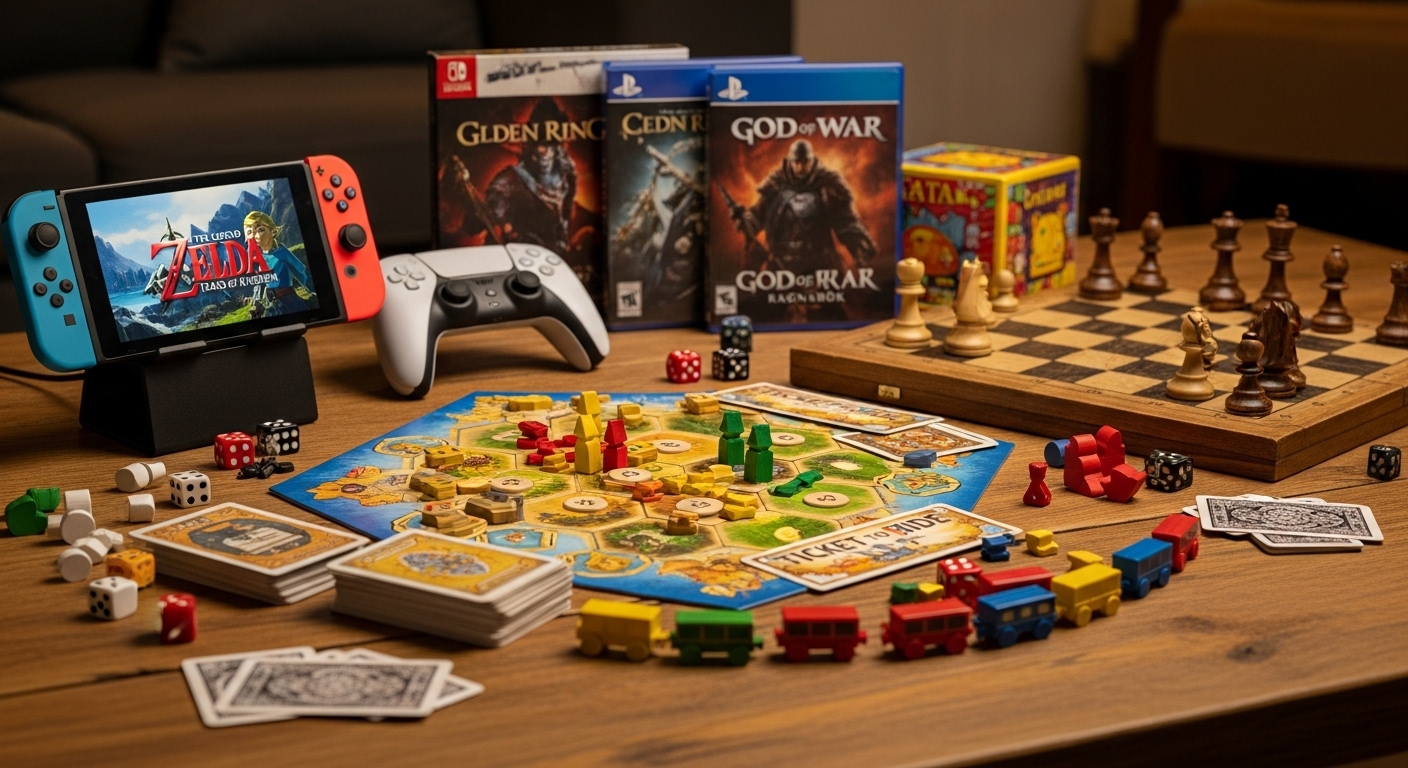
Board games have been a staple of social entertainment for centuries. Classic examples include chess, checkers, Monopoly, and Go. These games combine strategy, chance, and social interaction.
Card games such as poker, bridge, and solitaire use decks of cards with various rules and objectives. Many modern collectible card games blend strategy with storytelling.
Video Games
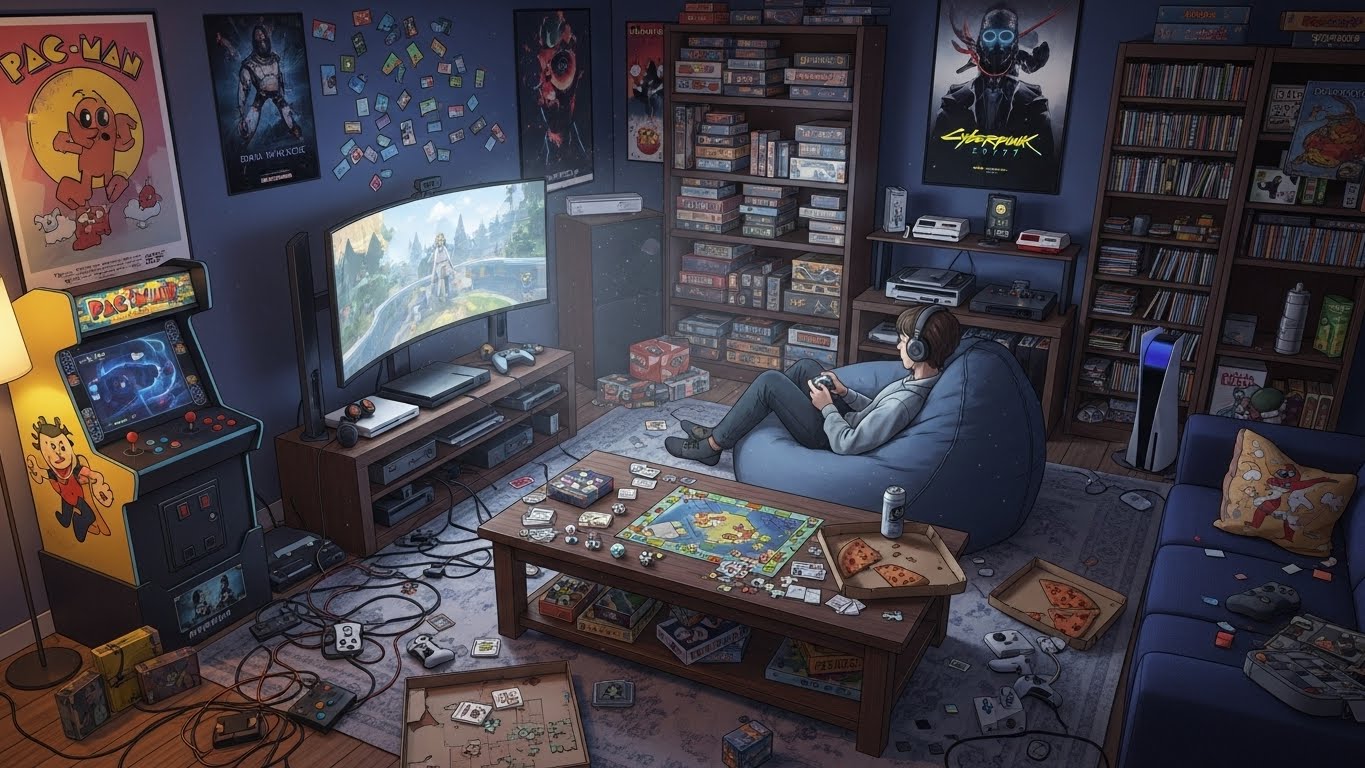
Video games use electronic devices to present interactive digital worlds. They range from simple mobile games to complex, immersive experiences on consoles and PCs. Genres include action, adventure, role-playing, simulation, puzzle, and more.
Video games allow for storytelling, creativity, competition, and social play through online multiplayer modes.
Physical and Sports Games
Sports and physical games emphasize athletic skill, coordination, and teamwork. From soccer and basketball to tag and hopscotch, physical games contribute to health and social bonding.
Role-Playing Games
Role-playing games (RPGs) invite players to take on characters, explore stories, and make decisions that influence outcomes. Tabletop RPGs like Dungeons & Dragons involve imagination and group collaboration. Digital RPGs often include rich narratives and character customization.
Puzzles and Brain Teasers
Puzzle games challenge logic, pattern recognition, and problem-solving skills. Sudoku, crossword puzzles, jigsaw puzzles, and escape room games stimulate mental agility and focus.
The Psychological Benefits of Playing Games
Playing games is more than fun; it positively impacts the mind and emotions.
Cognitive Development and Learning
Games often require strategic thinking, memory, attention, and problem-solving. They can improve spatial reasoning, multitasking, and decision-making skills. Educational games are designed to teach specific subjects in engaging ways.
Emotional Well-being
Games provide stress relief, enjoyment, and a sense of accomplishment. Overcoming challenges boosts confidence. Social games foster connections and reduce feelings of isolation.
Creativity and Imagination
Role-playing and sandbox games encourage players to create stories, worlds, and solutions. This nurtures creativity and open-ended thinking.
Games as Social Catalysts
Games have a unique ability to bring people together.
Building Communities
Whether through board game nights, online multiplayer platforms, or local sports leagues, games create opportunities for interaction. Shared goals and challenges promote teamwork, communication, and friendship.
Cultural Exchange
Games often reflect cultural values and histories. Playing international games allows participants to learn about other traditions and perspectives.
Competition and Sportsmanship
Competitive games teach respect for opponents, rules, and fair play. They encourage resilience and the healthy handling of both victory and defeat.
The Impact of Technology on Gaming
Technology has transformed how games are created, played, and shared.
Digital Innovation
Advances in graphics, artificial intelligence, and virtual reality have expanded the possibilities of game design. Games can now offer rich, immersive environments and adaptive challenges.
Accessibility and Inclusivity
Technology enables games to reach broader audiences, including people with disabilities. Features like customizable controls, subtitles, and difficulty adjustments help make gaming more inclusive.
Online Platforms and Social Connectivity
The internet allows players worldwide to connect, compete, and collaborate. Streaming services and social media also turn gaming into a spectator sport and creative outlet.
The Business of Games: Industry and Economy
The gaming industry is a powerful economic force with diverse revenue models.
Market Size and Growth
Gaming generates billions globally, with sectors including console and PC games, mobile apps, esports, and game development tools.
Monetization Strategies
Games may be sold as one-time purchases, free-to-play with in-game purchases, subscription services, or supported by advertising. Developers balance monetization with player satisfaction to maintain longevity.
Employment and Creativity
Game development employs artists, programmers, writers, designers, and marketers. The industry fosters creativity and innovation, contributing to technological progress.
Ethical Considerations in Gaming
As games influence many aspects of life, ethical questions arise.
Addiction and Health
Excessive gaming can lead to addiction and affect mental and physical health. Responsible design and awareness campaigns help promote balance.
Representation and Diversity
Inclusive representation in games helps combat stereotypes and promotes empathy. The industry continues to strive for diversity among characters and creators.
Fair Play and Cheating
Maintaining fair competition is vital. Developers and communities combat cheating, hacking, and toxic behavior.
The Future of Games: Trends and Possibilities
Gaming continues to evolve rapidly with new technologies and ideas.
Virtual and Augmented Reality
These technologies promise deeper immersion and new gameplay mechanics, blending physical and digital experiences.
Artificial Intelligence
AI will enable more dynamic and personalized gameplay, smarter opponents, and richer narratives.
Cross-Platform Play
Increasingly, games allow players on different devices to play together seamlessly, broadening access.
Educational and Serious Games
Games designed for training, therapy, and social impact are expanding the role of games beyond entertainment.
Sustainability and Preservation
As gaming grows, environmental sustainability and the preservation of game history become priorities.
Conclusion: Celebrating the Power of Games
Games are a profound human expression, combining creativity, challenge, social connection, and joy. They enrich lives in countless ways, offering spaces for growth, storytelling, competition, and friendship.
As technology advances and culture shifts, games will continue to adapt and inspire. By understanding and appreciating their depth and diversity, we can embrace games not only as entertainment but as vital parts of our shared human journey.