Introduction
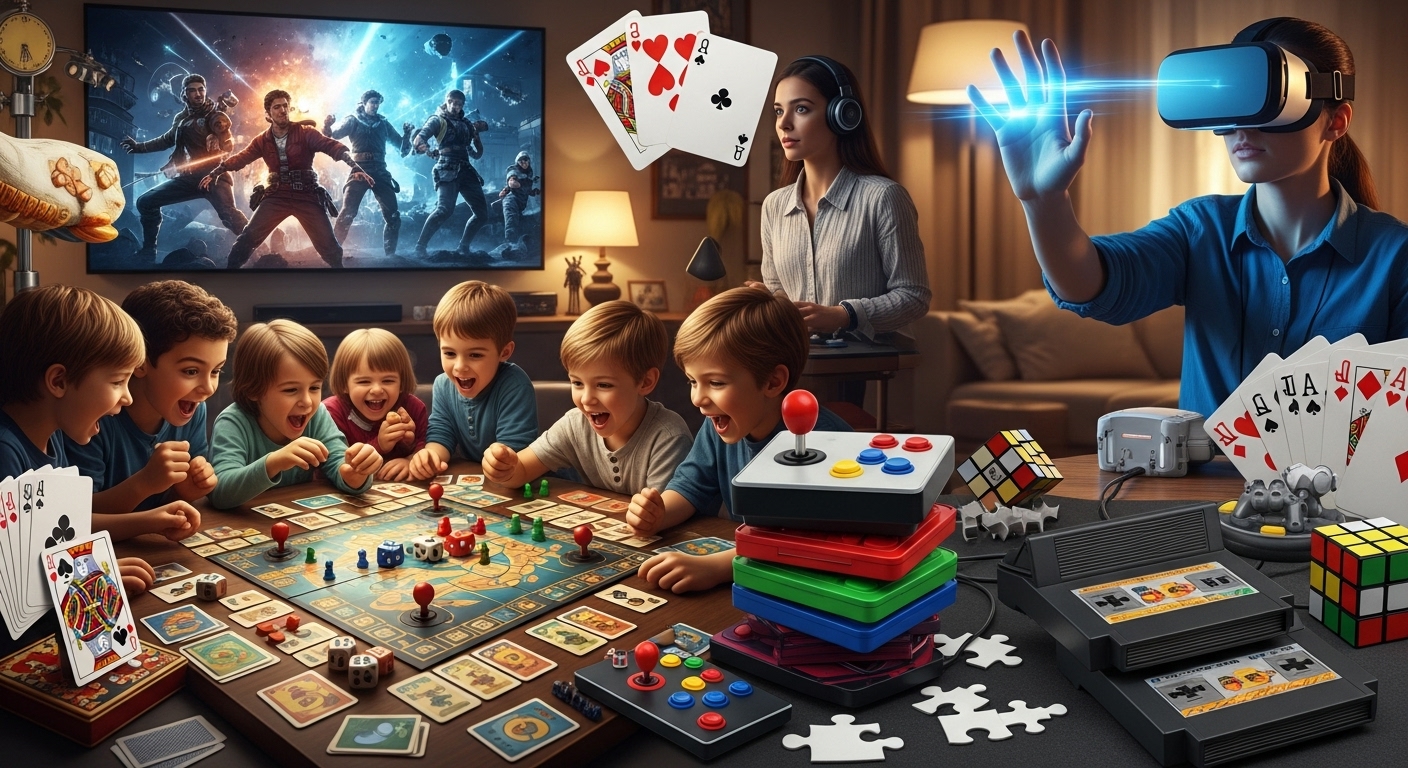
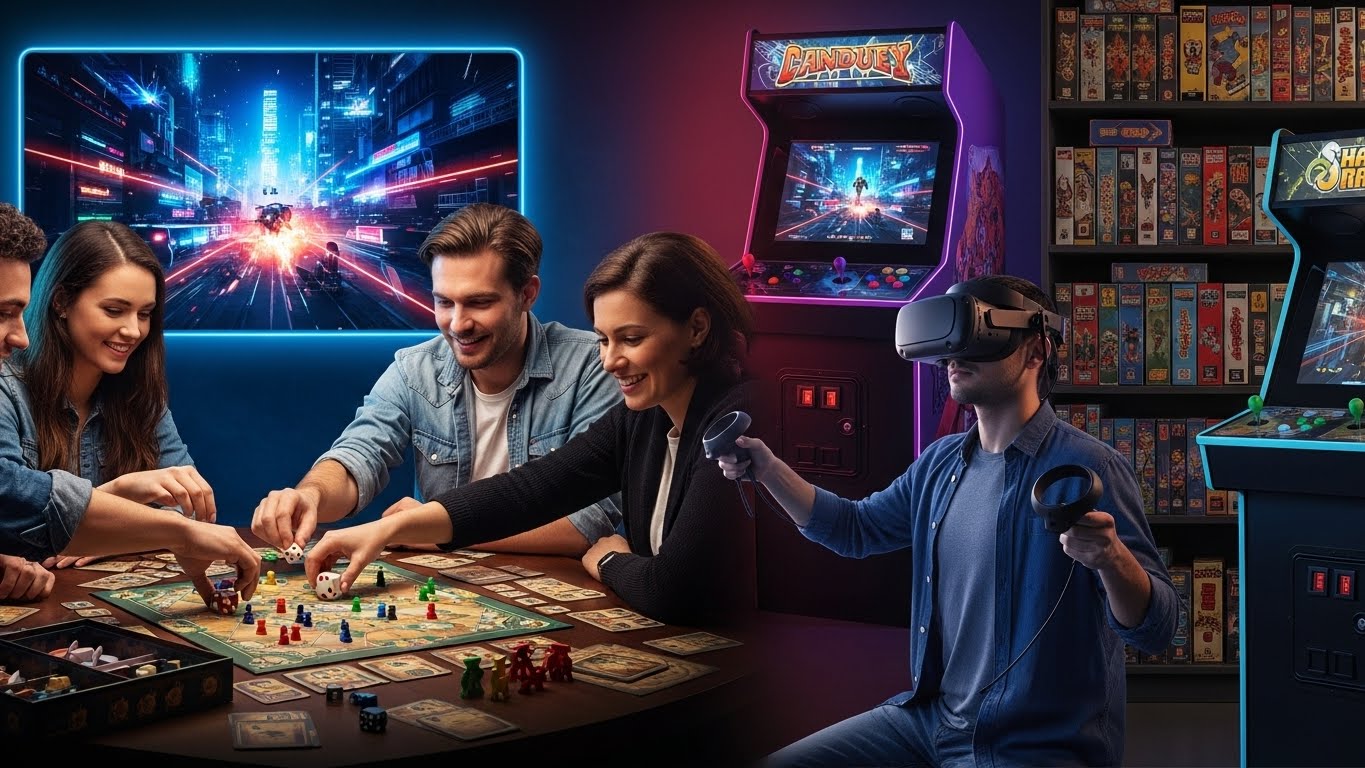
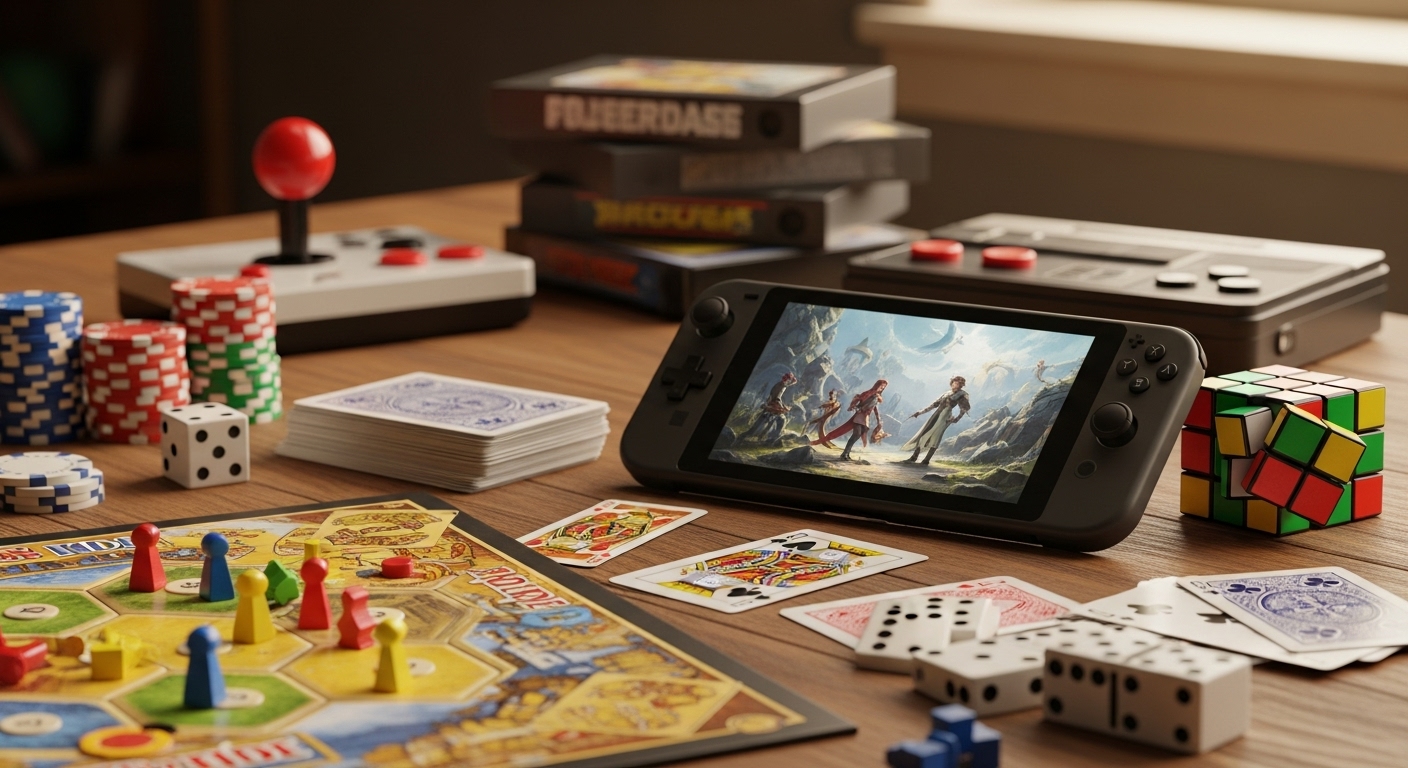
Games have been an integral part of human culture for centuries. From ancient board games like Senet and Chess to modern digital video games, they have entertained, educated, and connected people across generations. Games are far more than simple pastimes—they are tools for creativity, socialization, and mental development. In today’s fast-paced world, games continue to evolve, incorporating technology, storytelling, and interactivity to engage players in ways never imagined before. This blog explores the significance of games, their types, benefits, cultural impact, and the future of gaming.
The Evolution of Games
Games have a long and fascinating history. Ancient civilizations played games for entertainment, strategy, and spiritual purposes. Board games like Chess, Go, and Backgammon were designed to develop strategic thinking and decision-making. Traditional physical games like tag, hopscotch, and wrestling helped improve physical coordination and social skills.
The 20th century brought a revolution with the introduction of digital and video games. From arcade machines in the 1970s to home consoles in the 1980s, gaming transformed into a technological phenomenon. Today, games range from mobile apps to virtual reality experiences, creating immersive environments for players to explore, compete, and collaborate.
Different Types of Games
Games come in many forms, each offering unique experiences and benefits:
- Board Games: Chess, Monopoly, and Scrabble enhance strategic thinking, planning, and vocabulary skills. They foster social interaction, critical thinking, and patience.
- Card Games: Poker, Bridge, and Uno develop memory, probability assessment, and decision-making skills.
- Sports and Physical Games: Soccer, basketball, and athletics promote physical health, teamwork, and discipline.
- Video Games: These include action, adventure, strategy, simulation, and role-playing games. They engage players in immersive worlds, challenging their problem-solving and coordination abilities.
- Mobile Games: Accessible on smartphones, these games provide quick entertainment and cognitive stimulation in short bursts.
Each type of game serves a purpose, from entertainment to education, creating diverse ways for players to interact with the world and each other.
The Psychological and Cognitive Benefits of Games
Games are more than entertainment—they positively impact the mind. Strategic and puzzle-based games enhance critical thinking, problem-solving, and logical reasoning. Action and adventure games improve reaction times, attention, and spatial awareness.
Games also stimulate creativity. Open-world and sandbox games encourage players to experiment, plan, and create their own experiences. Role-playing games allow players to explore narratives and develop empathy by understanding different characters’ perspectives. Even casual games can improve memory, multitasking, and cognitive flexibility.
Games as Social Connectors
Games have the power to bring people together. Multiplayer games, whether digital or physical, foster teamwork, communication, and cooperation. Online games create communities where players collaborate, compete, and form lasting friendships.
Even solo games can have social aspects through forums, streaming platforms, and shared experiences. Families and friends often bond over board games or sports, creating memories and strengthening relationships. Games are a universal language, connecting people across cultures and generations.
The Role of Games in Learning and Education
Games have a strong role in education. Educational games teach math, science, history, and language skills in engaging ways. Gamified learning platforms motivate students through rewards, challenges, and interactive storytelling.
Simulation games allow learners to experiment safely in complex systems, such as managing a city in simulation games or running a business in strategy games. Problem-solving, critical thinking, and decision-making skills developed through games are transferable to real-life scenarios. Educational institutions increasingly recognize the potential of games as tools to supplement traditional teaching methods.
The Cultural Impact of Games
Games reflect and shape culture. Traditional games often carry historical and cultural significance, representing values, myths, and social structures of a society. Modern digital games have become cultural phenomena, influencing music, fashion, and social trends.
Esports, competitive gaming, has emerged as a major cultural force, attracting millions of viewers and creating celebrity players. Games also provide platforms for storytelling, allowing developers to explore social issues, morality, and human experiences in interactive narratives. They are shaping modern culture and entertainment in profound ways.
The Economic Influence of Games
The gaming industry has become a major economic driver. Video games, mobile apps, and esports generate billions of dollars in revenue worldwide. Professional players, developers, marketers, and content creators earn livelihoods from the gaming ecosystem.
Game releases stimulate consumer markets through merchandise, accessories, and events. Tournaments and conventions attract tourism and sponsorship, creating additional economic opportunities. The business of games extends far beyond playing—they are an industry influencing technology, media, and entertainment markets globally.
Games and Personal Growth
Games help in personal development by teaching patience, perseverance, and adaptability. Players learn to handle failure, analyze mistakes, and improve through repeated challenges. Strategic games cultivate planning and foresight, while competitive games enhance focus and determination.
Games also foster leadership and collaboration in multiplayer settings. Team coordination, negotiation, and resource management skills learned in games are transferable to real-life professional and social situations. Games can be both a tool for fun and a platform for self-improvement.
Inclusivity and Accessibility in Gaming
Modern games are increasingly inclusive. Adaptive technologies allow differently-abled individuals to participate, creating opportunities for everyone to enjoy gaming. Mobile and casual games are accessible to people of all ages, while online multiplayer platforms provide communities for players worldwide.
Inclusivity in gaming promotes diversity and representation, empowering individuals and allowing talent to shine regardless of background or physical ability. Games are becoming spaces where everyone can participate, learn, and compete on equal terms.
The Challenges of Gaming
Despite their benefits, games also present challenges. Excessive gaming can lead to addiction, reduced physical activity, and social isolation. Online games may expose players to toxic behavior, cyberbullying, or inappropriate content.
Managing screen time, setting boundaries, and promoting healthy gaming habits are crucial for players of all ages. Game developers, parents, and educators play a role in ensuring that gaming remains a positive and enriching experience.
The Future of Games
The future of games is exciting and full of potential. Virtual reality and augmented reality will create immersive experiences, allowing players to interact with digital worlds in unprecedented ways. Cloud gaming will make high-quality games accessible on a wide range of devices, reducing hardware barriers.
Artificial intelligence will enhance gameplay by creating adaptive and intelligent non-player characters. Games will continue to influence culture, education, and technology, blending storytelling, social interaction, and learning in new ways. The future of gaming promises a more engaging, inclusive, and interactive experience for everyone.
Conclusion
Games are much more than a form of entertainment—they are a reflection of human creativity, culture, and innovation. They teach skills, promote personal growth, foster social connections, and provide economic and cultural value. From ancient board games to cutting-edge digital experiences, games have evolved to become a central part of modern life.
As technology advances and gaming continues to expand, the role of games in education, culture, and professional opportunities will grow even further. Games are not just a pastime—they are a platform for learning, connection, and creativity, shaping the way humans interact, think, and play. The world of games is limitless, and its impact will continue to expand for generations to come.