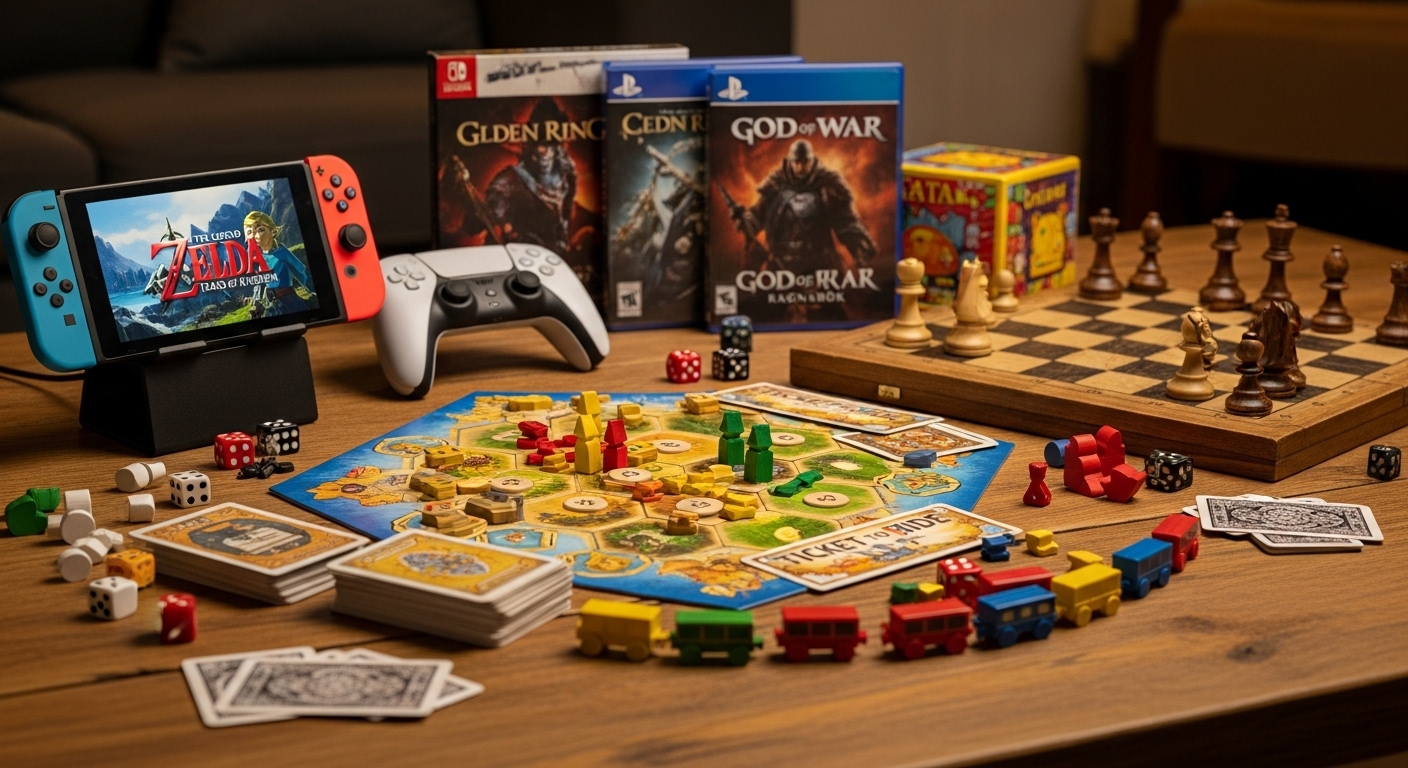

Gaming, once a niche pastime enjoyed by a select few, has grown into one of the largest entertainment industries in the world. With its rich history, rapid technological advancements, and diverse range of games, gaming has impacted nearly every aspect of modern life. From the humble beginnings of arcade machines to the immersive virtual reality experiences of today, the gaming industry has undergone a dramatic transformation. This blog post takes a deep dive into the evolution of gaming, exploring its history, technological advancements, cultural significance, and future prospects.
The Humble Beginnings of Video Games
The history of video games can be traced back to the early 1950s, when researchers and engineers started experimenting with computer-generated entertainment. However, it wasn’t until the 1970s that gaming as we know it today began to take shape. The first commercially successful arcade game, Pong, was created by Atari founder Nolan Bushnell in 1972. This simple ping-pong simulation became an instant hit, attracting players to arcades and laying the groundwork for the future of video games.
Arcade gaming was further cemented as a dominant force in the industry with the release of Space Invaders in 1978 and Pac-Man in 1980. These games featured more complex graphics, engaging gameplay, and a competitive element that appealed to a wide range of people. Arcades became social hubs, with people gathering to play games, compete for high scores, and interact with one another. This era marked the beginning of video games as a mainstream form of entertainment.
The success of arcade games led to the creation of home gaming consoles. In 1977, Atari released the Atari 2600, one of the first home consoles that allowed players to enjoy a variety of games at home. This innovation led to the growth of the video game industry, as gaming became more accessible to the general public. The 1980s witnessed a boom in the home console market, with companies like Nintendo and Sega entering the scene.
The Golden Age of Consoles: The 8-Bit and 16-Bit Era
By the mid-1980s, video games had firmly established themselves as a key component of popular culture. The introduction of 8-bit consoles such as the Nintendo Entertainment System (NES) in 1985 and the Sega Master System in 1986 marked a significant leap forward in the capabilities of home gaming systems. These consoles brought games like Super Mario Bros., The Legend of Zelda, and Sonic the Hedgehog into the homes of millions of people, offering vibrant graphics, engaging gameplay, and memorable characters.
The NES was a game-changer in many ways. Not only did it introduce players to iconic franchises that continue to be popular today, but it also helped to solidify Nintendo as one of the most influential companies in the gaming industry. The NES revitalized the video game market after the industry crash of 1983, which had caused many arcade and home console manufacturers to shut down.
By the early 1990s, the gaming landscape shifted further with the release of 16-bit consoles like the Super Nintendo Entertainment System (SNES) and the Sega Genesis. These systems offered better graphics and sound than their 8-bit predecessors, allowing developers to create more detailed and immersive games. Titles such as Super Mario World, Street Fighter II, and Sonic the Hedgehog 2 pushed the limits of what was possible in gaming, laying the foundation for modern gaming experiences.
The Rise of 3D Graphics and the PlayStation Era
The 1990s marked a pivotal moment in gaming history with the introduction of 3D graphics. The first console to fully embrace 3D was Sony’s PlayStation, which debuted in 1994. The PlayStation’s use of CD-ROM technology allowed for more expansive and detailed games than ever before, opening the door for 3D environments, complex storylines, and cinematic experiences. With hits like Final Fantasy VII, Gran Turismo, and Metal Gear Solid, the PlayStation revolutionized the way games were designed and played.
Alongside Sony’s success, Sega’s Saturn and Nintendo’s N64 also embraced 3D graphics, contributing to a highly competitive market in the late 1990s. The Nintendo 64, in particular, became a beloved console due to its standout titles such as Super Mario 64 and The Legend of Zelda: Ocarina of Time, both of which are still considered some of the greatest games ever made. The introduction of 3D graphics not only made games more visually appealing but also opened up new possibilities for gameplay mechanics and immersive storytelling.
This period also saw the rise of PC gaming. While consoles were making waves in the living room, personal computers were becoming increasingly powerful, allowing for more complex games with sophisticated graphics and gameplay. Games like Warcraft, Doom, and Quake were pioneers of first-person shooters (FPS), multiplayer online games, and the real-time strategy (RTS) genre. These PC games laid the foundation for modern eSports and online multiplayer gaming.
The Shift to High-Definition Gaming
The early 2000s marked another significant leap forward with the introduction of high-definition (HD) gaming. Consoles like the Xbox 360 and PlayStation 3 provided gamers with stunning visuals, thanks to support for HD resolution, advanced graphics engines, and the use of Blu-ray discs for game storage. This new generation of consoles allowed for more expansive open-world games, greater levels of detail, and more realistic character animations.
The Xbox 360 was particularly influential in the growth of online gaming. With the launch of Xbox Live, players were able to connect with friends and strangers alike, playing multiplayer games over the internet. Titles such as Halo 3, Call of Duty 4: Modern Warfare, and Gears of War became staples of the online gaming scene, with competitive multiplayer and co-op gameplay becoming central aspects of many modern games.
In the same period, the Nintendo Wii brought motion-controlled gaming into the mainstream. Unlike other consoles, the Wii used a unique motion-sensing controller that allowed players to physically interact with the game. Titles like Wii Sports and The Legend of Zelda: Twilight Princess helped to broaden the appeal of gaming, attracting players from all age groups and demographics. The Wii demonstrated that gaming was no longer just for hardcore enthusiasts but could be enjoyed by everyone, regardless of age or experience.
The Rise of Online Multiplayer and Mobile Gaming
The 2010s saw a shift toward a more interconnected gaming experience. As internet speeds increased and gaming networks became more robust, online multiplayer gaming reached new heights. Massively multiplayer online games (MMOs) like World of Warcraft, League of Legends, and Fortnite became global phenomena, attracting millions of players to virtual worlds where they could cooperate, compete, and socialize. The success of these games demonstrated the growing demand for online experiences, where people could connect, form communities, and compete on a global scale.
In addition to traditional console and PC gaming, mobile gaming emerged as a dominant force in the industry. With the advent of smartphones and tablets, games such as Angry Birds, Candy Crush Saga, and Clash of Clans became incredibly popular, reaching millions of people worldwide. Mobile gaming has become the most accessible form of gaming, offering quick, casual gaming experiences that can be enjoyed anywhere, anytime. It has also introduced freemium models and microtransactions, allowing players to download games for free and purchase in-game items or advantages.
The rise of mobile gaming has also led to the growth of cloud gaming services. Platforms such as Google Stadia, Nvidia GeForce Now, and Xbox Cloud Gaming have made it possible for players to stream high-quality games directly to their devices without needing expensive hardware. These services represent the future of gaming, offering a more accessible and flexible way to play the latest games on a variety of devices.
Gaming and Its Cultural Impact
Over the years, gaming has evolved from a simple hobby into a cultural phenomenon that has had a profound impact on society. Video games have become an integral part of modern entertainment, influencing movies, TV shows, music, and even art. The success of games like The Witcher 3, Red Dead Redemption 2, and The Last of Us has shown that video games are capable of delivering deep, emotionally resonant stories that rival the best works of film and literature.
Gaming as a Social Activity
One of the most significant changes in gaming over the past two decades has been the shift toward social gaming. Online multiplayer games have created vibrant communities where players can form friendships, collaborate, and compete. Games like Fortnite, Minecraft, and Apex Legends have become global platforms for social interaction, allowing players to connect with friends and strangers from all over the world.
Streaming platforms like Twitch and YouTube Gaming have further revolutionized the way people experience gaming. Professional gamers, content creators, and casual players alike can now share their gameplay experiences with millions of viewers, turning gaming into a form of entertainment and digital content creation. The rise of eSports has turned competitive gaming into a professional sport, with major tournaments and prize pools attracting millions of spectators.
Gaming and Representation
Another important cultural shift in gaming has been the push for greater representation in games. Over the years, developers have increasingly focused on creating diverse characters, stories, and settings that reflect a wide range of experiences and perspectives. Games like The Last of Us Part II, Celeste, and Overwatch feature diverse characters and tackle important social issues, such as LGBTQ+ representation and mental health.
This focus on inclusivity has made gaming more accessible and relevant to a broader audience, allowing players to see themselves represented in the games they play. It has also opened up new opportunities for marginalized groups to have a voice in the gaming community.
The Future of Gaming: What Lies Ahead?
As we look to the future of gaming, several exciting trends are poised to shape the industry in the coming years. Virtual reality (VR) and augmented reality (AR) are two technologies that have the potential to revolutionize gaming once again. VR headsets like the Oculus Rift and PlayStation VR offer players the ability to immerse themselves fully in virtual worlds, providing an experience that is far more interactive and engaging than traditional gaming.
Another exciting development is the rise of AI-driven gaming experiences. Artificial intelligence has the potential to create more dynamic, responsive worlds that adapt to player behavior. Games could become even more personalized, with NPCs (non-playable characters) and environments reacting intelligently to the player’s actions.
The continued development of cloud gaming will likely make gaming more accessible than ever before. As internet speeds improve and cloud infrastructure expands, players will be able to stream high-quality games to virtually any device, reducing the need for expensive hardware. This could make gaming more inclusive, allowing players from all walks of life to enjoy cutting-edge games without breaking the bank.
Conclusion: The Endless Possibilities of Gaming
From its humble beginnings in arcades to the cutting-edge technologies of today, the evolution of gaming has been nothing short of extraordinary. Video games have come a long way since the days of Pong and Pac-Man, and as technology continues to advance, the possibilities for gaming are virtually endless. Whether it’s through improved graphics, new ways to interact with games, or the rise of social and competitive gaming, the future of gaming promises to be an exciting one. As gamers continue to push the boundaries of what is possible, we can only imagine where the next chapter of gaming will take us.