Introduction: The Universal Language of Games
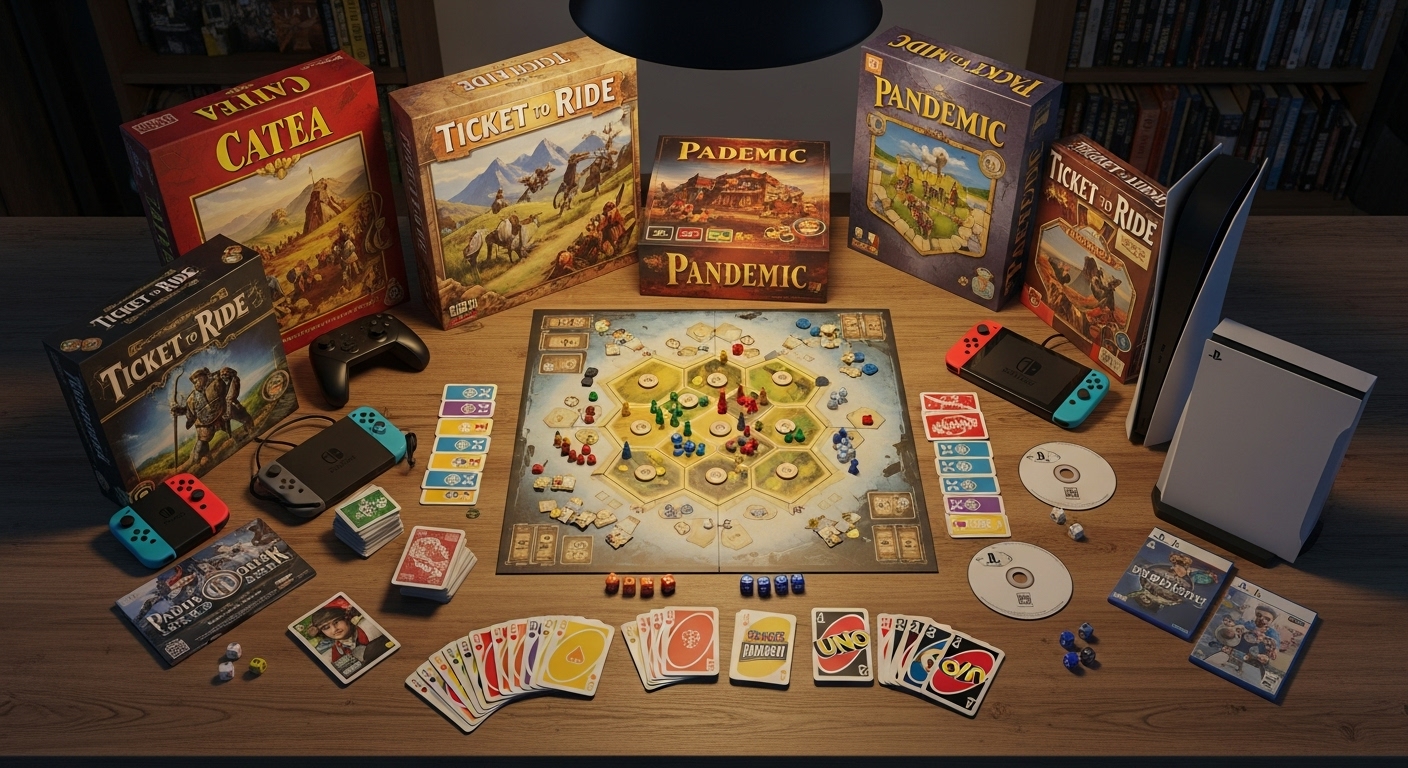
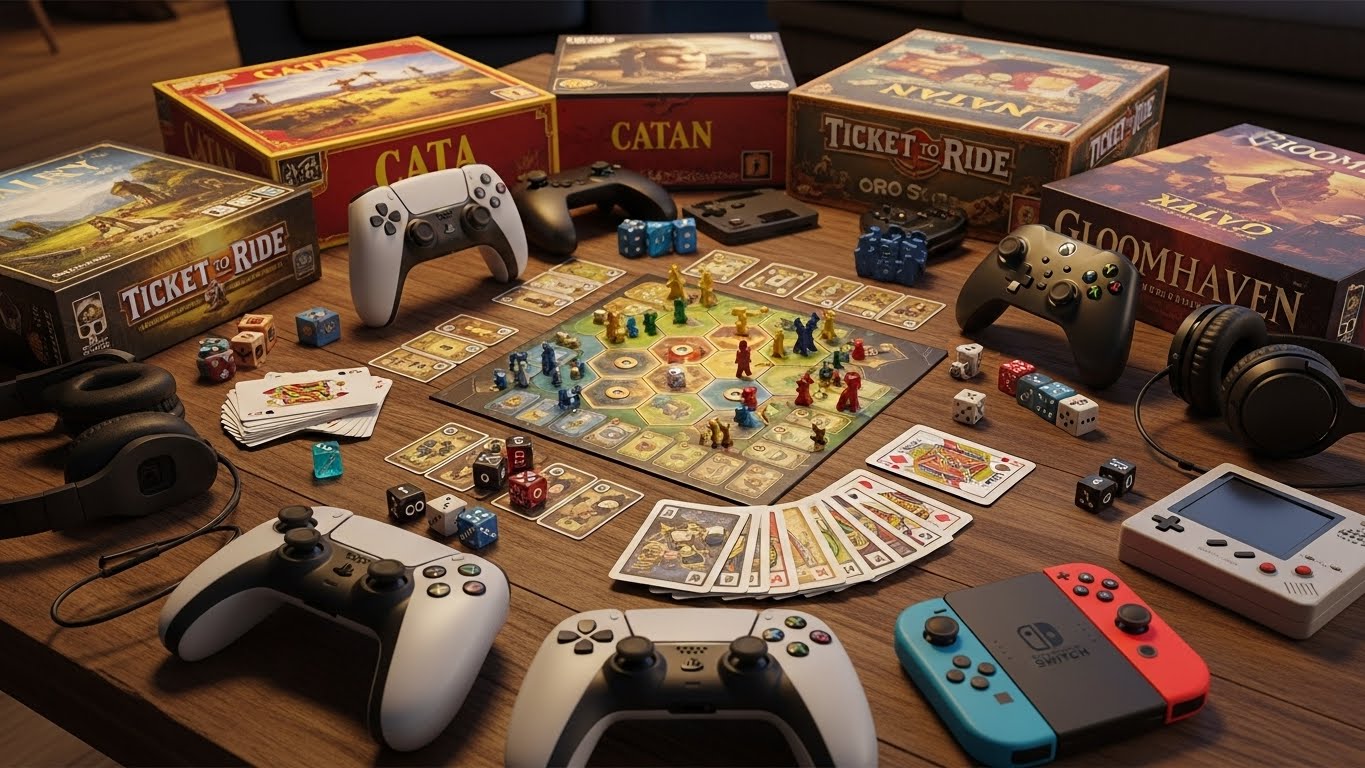
Games have been part of human life long before digital screens existed. From ancient board games to modern video games, the act of play has always been a way to learn, compete, relax, and connect. In today’s digital age, games have expanded into complex experiences that combine art, technology, storytelling, and social interaction. They are no longer just a form of entertainment for children but a global phenomenon enjoyed by people of all ages. Games influence how we think, interact, and even understand the world around us.
The Evolution of Games Through Time
The history of games reflects the progress of human creativity and technology. Early games were simple and often physical, focusing on strategy, luck, or skill. With the rise of computers and consoles, games entered the digital world. Early digital games featured basic graphics and straightforward mechanics, yet they captured imaginations worldwide. Over time, improvements in hardware and software allowed developers to create detailed environments, realistic characters, and complex gameplay systems. Today’s games are immersive experiences that rival films and literature in emotional depth and artistic ambition.
Different Types of Games and Their Appeal
Games exist in many forms, each offering a unique experience. Action games test reflexes and coordination, while strategy games challenge planning and decision-making skills. Role-playing games allow players to step into fictional identities and explore vast worlds filled with stories and choices. Simulation games recreate real-life activities, offering both entertainment and insight into how systems work. Puzzle and casual games provide mental stimulation in a relaxed format. This diversity ensures that games appeal to a wide audience, regardless of age, interest, or skill level.
Mobile Games and Everyday Entertainment
Mobile gaming has transformed how people interact with games. Smartphones have made games accessible anytime and anywhere, turning short moments of free time into opportunities for play. Mobile games often focus on simplicity and accessibility, yet many offer deep mechanics and long-term engagement. They attract players who may never consider themselves gamers, expanding the gaming community significantly. The success of mobile games demonstrates how gaming has become woven into daily life rather than being limited to dedicated gaming sessions.
Games as Social Experiences
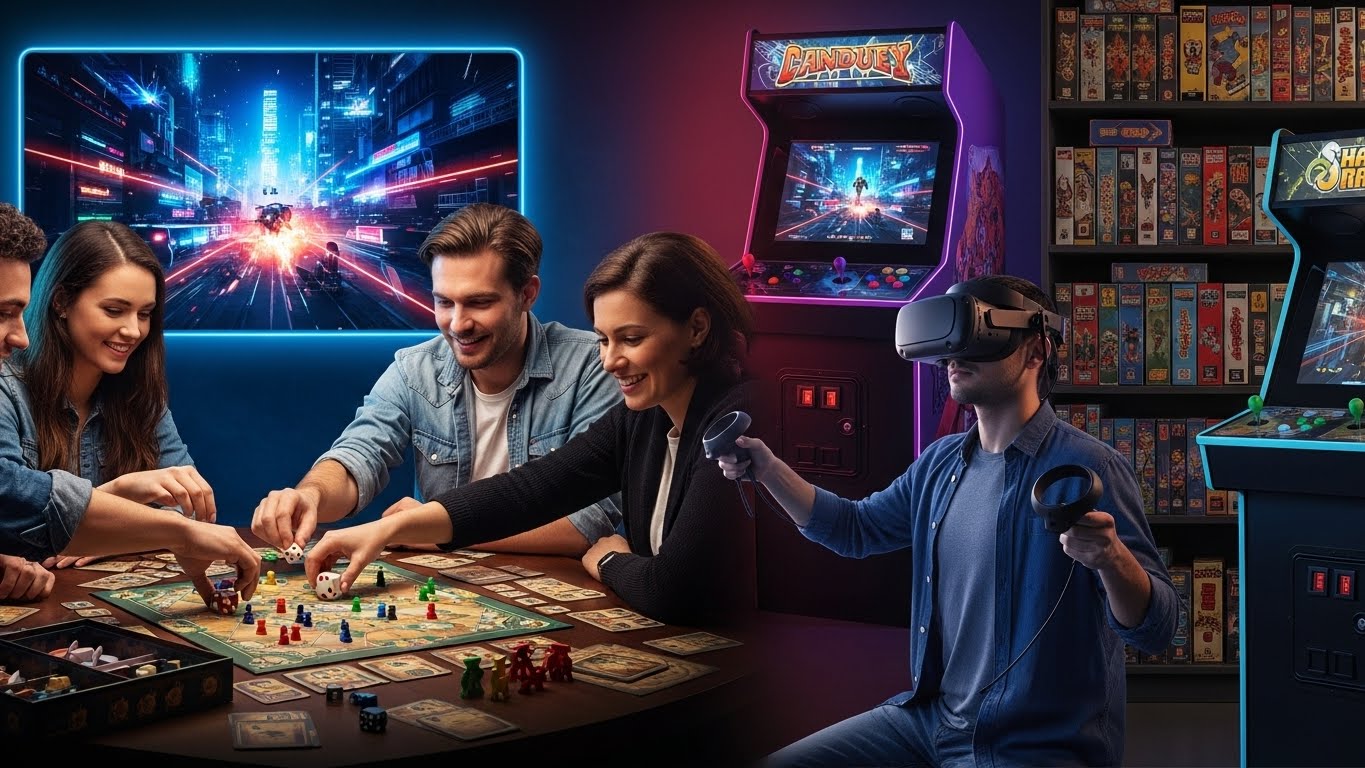
Modern games are deeply social. Online multiplayer modes allow players to cooperate or compete with others from around the world. Friends can connect through games regardless of physical distance, strengthening relationships and creating shared memories. Communities form around popular games, where players exchange strategies, stories, and creativity. These social spaces provide a sense of belonging and teamwork, showing that games can be powerful tools for human connection rather than isolated experiences.
The Role of Storytelling in Games
Storytelling has become a central element of many games. Unlike traditional stories, games allow players to actively participate in narratives. Choices made by players can influence outcomes, character relationships, and even the game’s ending. This interactive storytelling creates a personal connection to the experience, making emotions feel more intense and meaningful. Games explore themes such as courage, loss, morality, and identity, proving that interactive media can tell stories that are both entertaining and thought-provoking.
Mental and Cognitive Benefits of Playing Games
Games offer more than fun; they can also support mental development. Many games improve problem-solving skills, memory, and concentration. Fast-paced games enhance reaction time and hand-eye coordination, while strategy games encourage logical thinking and planning. Cooperative games develop communication and teamwork skills. Some games are even used in educational settings to make learning more engaging. When played in moderation, games can be a valuable tool for cognitive growth and mental stimulation.
Emotional Impact and Stress Relief
Playing games can have a positive emotional impact. Games provide an escape from daily stress, allowing players to relax and recharge. Achieving goals within a game creates a sense of accomplishment, boosting confidence and motivation. Story-driven games can evoke empathy and emotional reflection, helping players process feelings in a safe environment. For many people, games serve as a healthy outlet for emotions and a way to unwind after a long day.
Games as a Creative Art Form
Games combine multiple creative disciplines into a single experience. Visual design, music, writing, and interactive mechanics work together to create immersive worlds. Game developers carefully design environments, characters, and soundscapes to evoke emotion and atmosphere. Some games are celebrated for their artistic style and innovation, challenging traditional definitions of art. This creative depth highlights the talent and effort involved in game development and reinforces the idea that games are a legitimate and meaningful art form.
The Influence of Games on Culture
Games have a strong influence on modern culture. Popular games inspire movies, merchandise, music, and fashion. Phrases and symbols from games often become part of everyday language. Gaming events and competitions attract massive audiences, both in person and online. Games also reflect cultural values and social issues, allowing players to explore different perspectives. As gaming continues to grow, its cultural impact becomes more visible and influential across the world.
Challenges in the Gaming World
Despite their many benefits, games also present challenges. Excessive gaming can lead to health issues if not balanced with other activities. Online environments sometimes struggle with negative behavior, requiring strong community management and awareness. The industry also faces debates around fairness, inclusivity, and responsible design. Addressing these challenges is essential to ensure that games remain positive and enjoyable experiences for everyone.
The Future of Games
The future of games is full of possibility. Advances in technology will lead to more immersive and interactive experiences. Virtual and augmented reality will blur the line between the digital and physical worlds. Artificial intelligence may create dynamic worlds that adapt to each player’s choices. Games will continue to expand beyond entertainment, influencing education, training, and social interaction. As creativity and technology evolve together, games will reach new heights of innovation and impact.
Games and Personal Identity
For many players, games become part of their identity. Favorite characters, worlds, and stories leave lasting impressions. Games can inspire creativity, curiosity, and even career paths in technology and design. They encourage players to explore new ideas and challenge themselves. This personal connection shows how deeply games can influence individual growth and self-expression.
Conclusion: The Lasting Power of Play
Games are more than digital pastimes; they are powerful experiences that shape minds, relationships, and culture. They combine creativity, technology, and human emotion into a unique form of expression. From simple mobile games to complex virtual worlds, games offer opportunities for joy, learning, and connection. As the gaming world continues to grow and evolve, it will remain a vital part of modern life, reminding us of the importance of play in understanding ourselves and the world around us.