Introduction: The Universal Language of Games
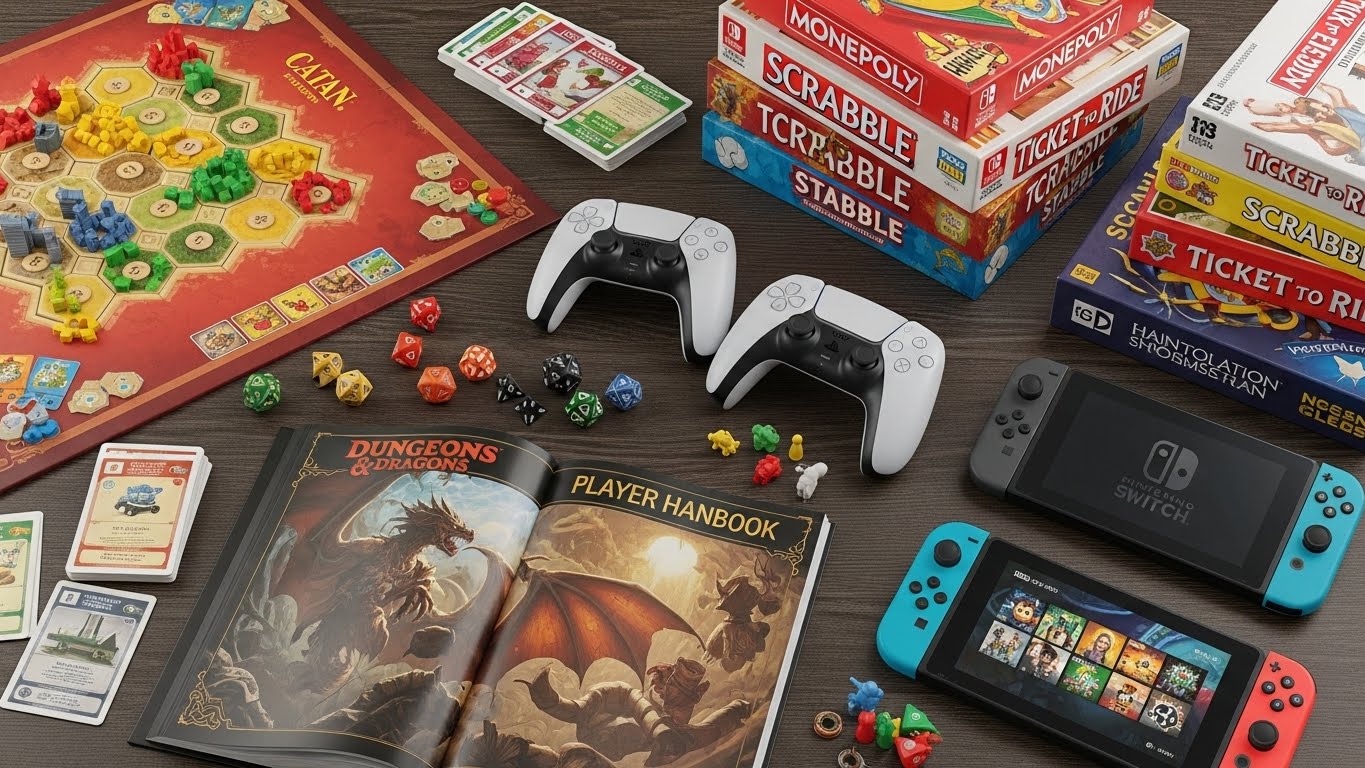
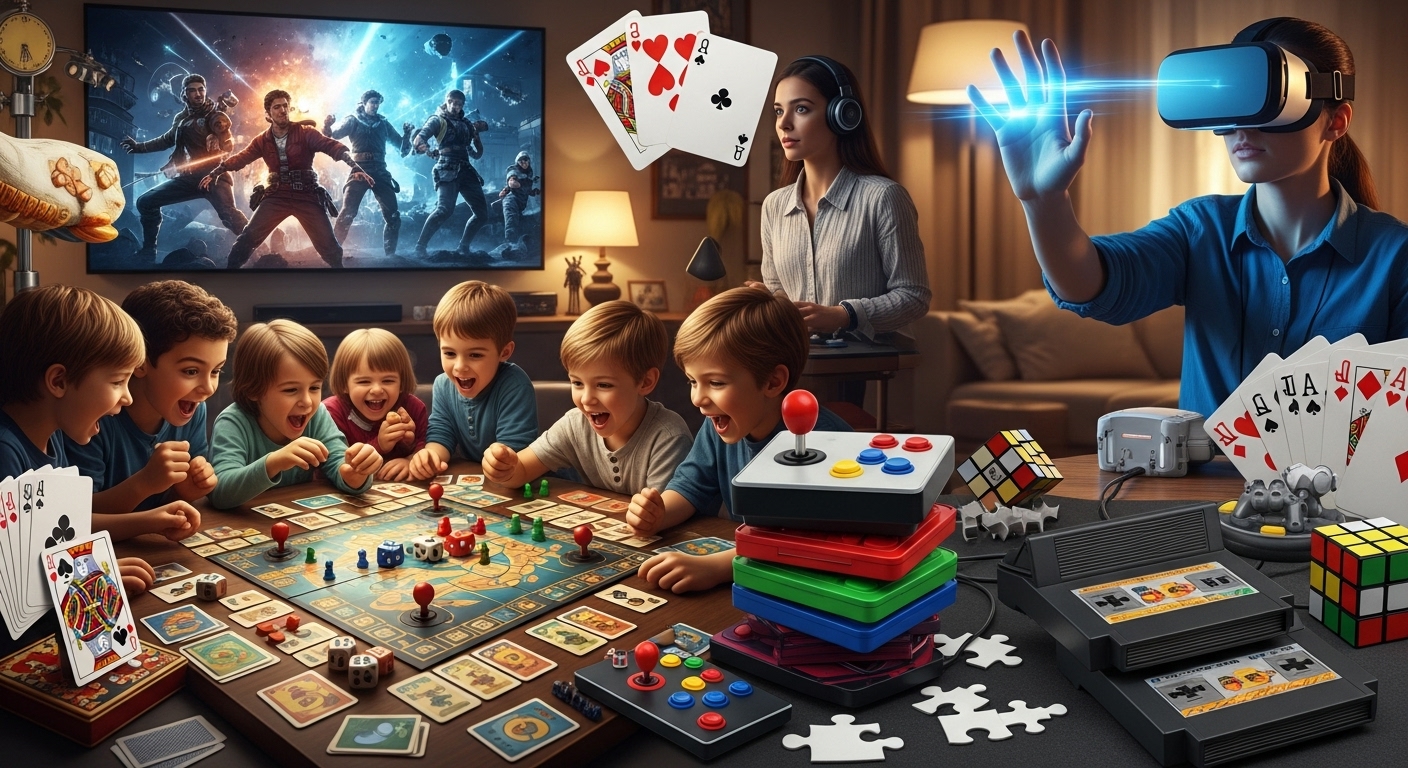
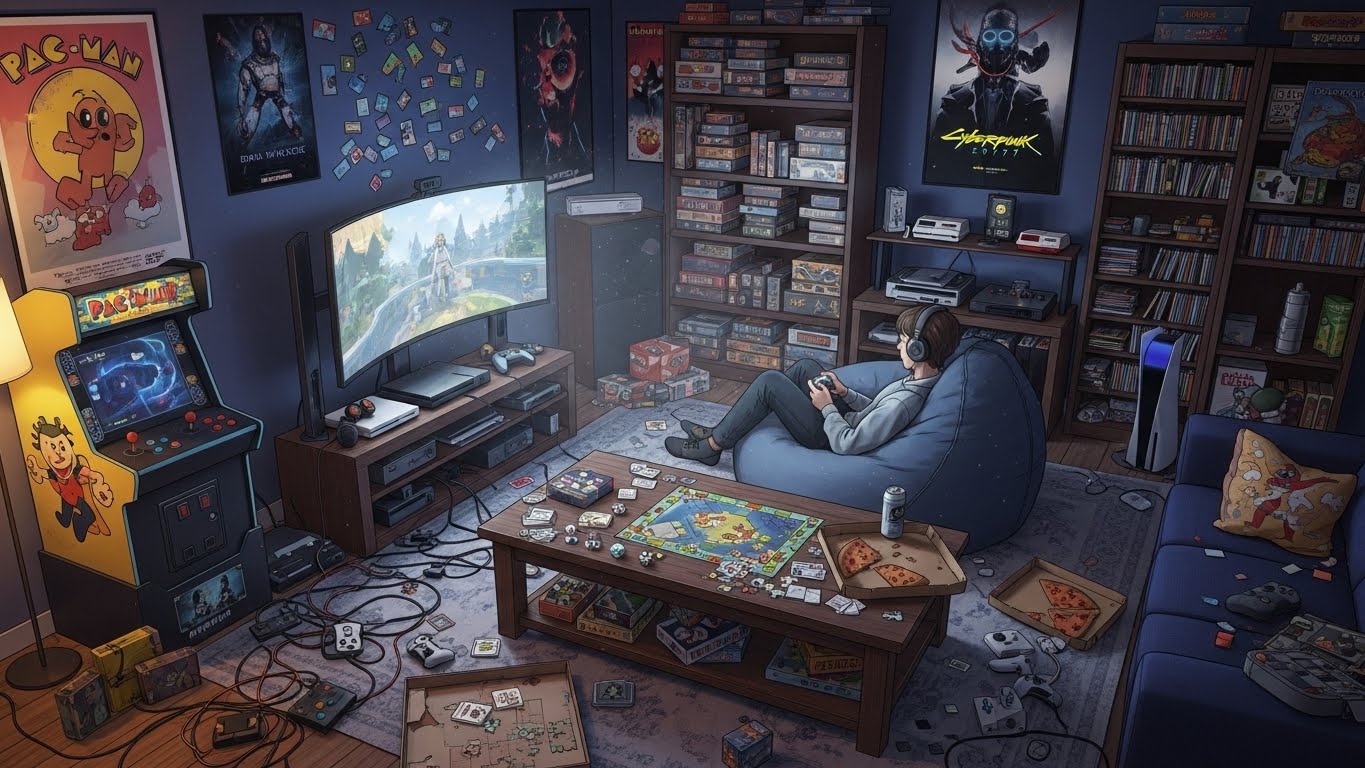
Games have been a part of human culture for centuries, evolving from simple board games and outdoor sports to highly immersive digital experiences. They are more than just a pastime—they are a medium of storytelling, problem-solving, and social interaction. In today’s era, games have expanded far beyond traditional genres, offering experiences that challenge our perception of entertainment. From intricate puzzles to mind-bending virtual realities, the world of gaming is diverse, engaging, and constantly evolving.
The Evolution of Games
The history of games mirrors human innovation. Early games such as chess, Go, and Mancala required strategic thinking and patience. As societies advanced, games became more complex, integrating technology to create interactive experiences. The advent of video games in the late 20th century revolutionized entertainment. Titles that were once simple pixel-based adventures have transformed into vast open worlds with rich narratives, lifelike graphics, and complex gameplay mechanics. Today, games are not only about winning or losing—they are about exploration, creativity, and self-expression.
Games That Challenge the Mind
Some of the most compelling games focus on mental stimulation rather than reflexes. Puzzle games like The Witness or Portal combine problem-solving with immersive environments, requiring players to think critically and creatively. These games challenge conventional logic and encourage lateral thinking. Similarly, strategy games like Civilization or StarCraft demand foresight, planning, and resource management, allowing players to exercise their cognitive skills in dynamic scenarios. Such games prove that entertainment can also be intellectually enriching, offering a unique blend of fun and mental challenge.
Narrative-Driven Experiences
Storytelling in games has reached unprecedented heights. Modern narrative-driven games create emotionally resonant experiences that rival literature and cinema. Titles like The Last of Us or Life is Strange explore complex themes such as morality, loss, and human connection. These games immerse players in worlds where every choice has consequences, creating a personal and unforgettable journey. The interactivity of games sets them apart from passive forms of media, giving players agency in shaping the story. This combination of narrative depth and interactivity transforms gaming into a powerful storytelling medium.
Games That Bend Reality
Virtual reality (VR) and augmented reality (AR) have redefined the boundaries of gaming. VR games transport players into fully immersive environments where they can interact with the world in ways previously unimaginable. Games like Beat Saber or Half-Life: Alyx leverage motion controls and spatial awareness to create unique experiences that engage both mind and body. AR games, on the other hand, blend digital elements with the real world, offering a new form of interactive entertainment. Pokémon GO, for instance, transformed everyday locations into an adventure, encouraging exploration and social interaction. These innovations showcase how games can bridge the gap between imagination and reality.
Social and Collaborative Gaming
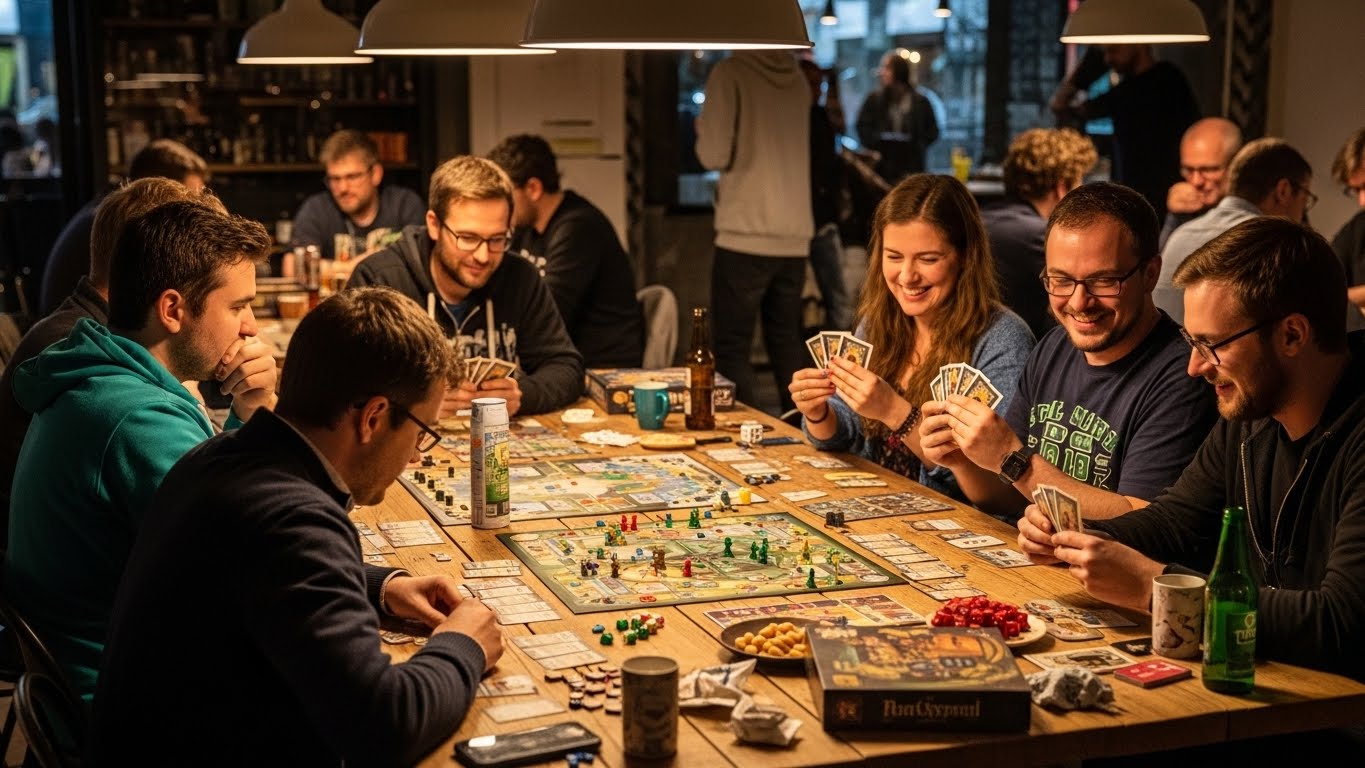
While many games focus on solo experiences, others thrive on social interaction and teamwork. Multiplayer games such as Fortnite, Among Us, or Overwatch emphasize collaboration, communication, and strategy. Players must work together, often across continents, to achieve objectives. Social gaming fosters community and connection, allowing individuals to build friendships and share experiences. Online communities often extend beyond the game itself, creating spaces for creativity, discussion, and competition. This social dimension highlights the ability of games to unite people through shared challenges and triumphs.
Games as Art
The debate over whether games qualify as art has gained traction in recent years. Many games now feature stunning visuals, evocative soundtracks, and compelling narratives that rival traditional art forms. Titles like Journey, Gris, or Ori and the Blind Forest combine aesthetic beauty with emotional storytelling, creating experiences that resonate on a deeply personal level. The artistry in games extends to design, music, and interactivity, making them a multi-sensory form of expression. By blending creativity with technology, games have carved a unique niche in the cultural landscape, challenging traditional notions of art.
Games with Unconventional Mechanics
Some games stand out not for graphics or story, but for their unconventional mechanics. Experimental games like Baba Is You, where rules themselves can be manipulated, or Untitled Goose Game, which embraces absurd humor, provide fresh and unexpected experiences. These games break away from traditional objectives, encouraging players to explore, experiment, and find joy in unexpected ways. Such innovation highlights the flexibility of the gaming medium, proving that games can be as much about curiosity and playfulness as about competition or achievement.
Educational and Serious Games
Beyond entertainment, games have significant educational potential. Serious games designed for learning, simulation, or social awareness can teach valuable skills while remaining engaging. For example, games like Kerbal Space Program teach physics and engineering principles through creative experimentation. Similarly, historical simulation games allow players to explore past events interactively, fostering a deeper understanding of history. Educational games demonstrate that the boundary between learning and fun is increasingly blurred, making knowledge acquisition more interactive and enjoyable.
The Future of Gaming
The future of gaming promises even greater innovation. Emerging technologies such as artificial intelligence, cloud gaming, and haptic feedback are expanding the possibilities of gameplay. AI-driven games can adapt to player behavior, creating personalized experiences that evolve in real-time. Cloud gaming eliminates hardware limitations, making high-quality games accessible to more players. Haptic feedback and advanced motion controls enhance immersion, engaging players in a more physical and emotional way. As technology advances, games will continue to push the boundaries of imagination, creating experiences that are more immersive, personalized, and impactful.
The Emotional Power of Games
At their core, games are about emotion. They can inspire joy, suspense, empathy, and even introspection. Whether it’s the exhilaration of overcoming a difficult challenge, the thrill of exploration, or the satisfaction of crafting something unique, games tap into fundamental aspects of human experience. They provide a space for emotional expression and connection, allowing players to experience narratives and situations in ways that are deeply personal yet universally relatable. This emotional power distinguishes games from other forms of entertainment and underscores their significance in contemporary culture.
Conclusion: More Than Entertainment
Games have grown far beyond their origins as simple diversions. They are a rich and varied medium, offering cognitive challenges, emotional depth, social connection, and artistic expression. From traditional board games to cutting-edge virtual reality experiences, games reflect the diversity of human creativity and imagination. They are not only a source of fun but also a platform for learning, innovation, and connection. As the world of gaming continues to evolve, one thing remains clear: games are more than just entertainment—they are a reflection of our desire to explore, create, and connect.
Whether you are a casual player, a competitive gamer, or someone fascinated by the art and science of game design, the world of games offers endless possibilities. It invites us to think, feel, and imagine in ways that are uniquely interactive and profoundly human.