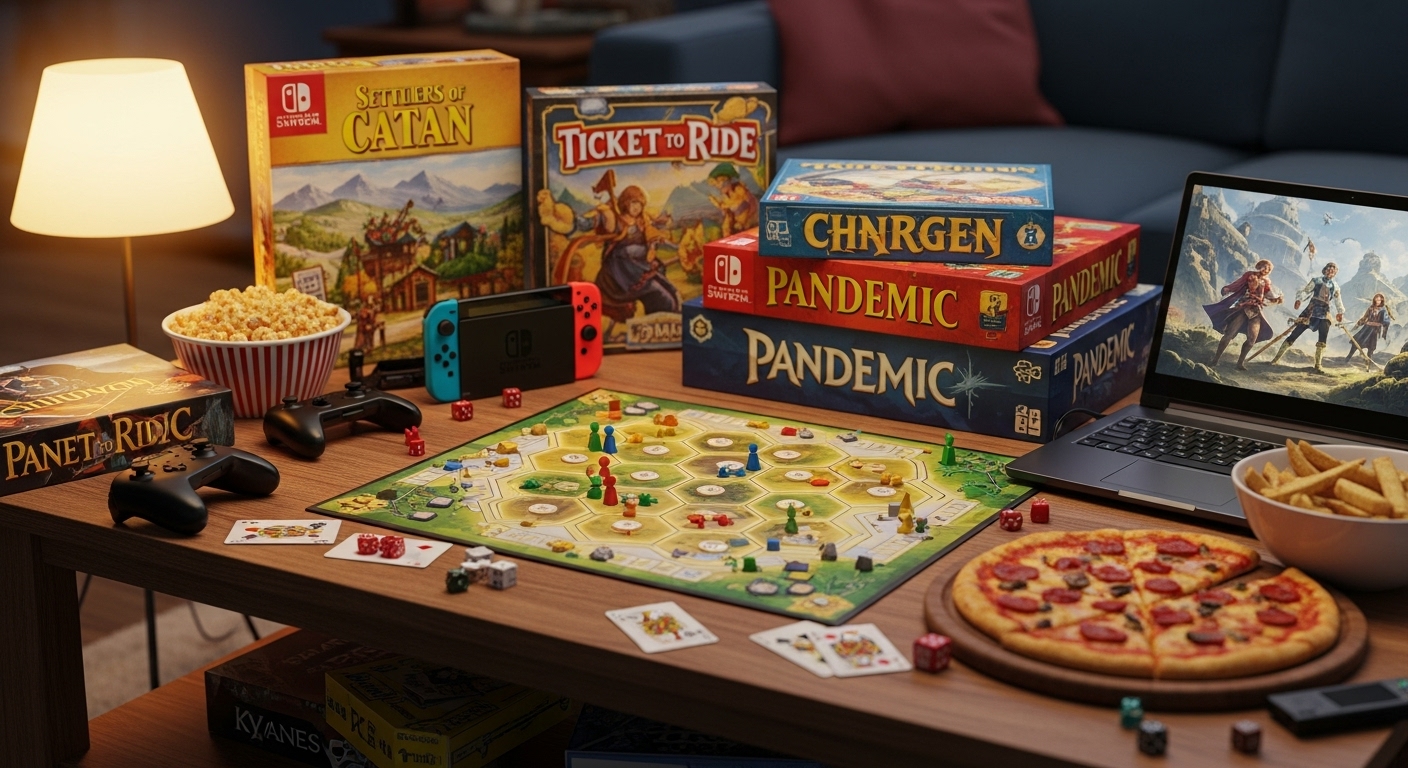

The world of gaming has undergone a radical transformation over the last few decades, evolving from simple pixelated experiences to incredibly immersive digital landscapes. What started as a niche hobby for a small group of enthusiasts has now become a global phenomenon, with billions of people around the world engaging in gaming across various platforms. From the first arcade machines to the rise of virtual reality (VR) and cloud gaming, the gaming industry has continuously pushed the boundaries of entertainment.
This blog post explores the fascinating evolution of gaming, the various genres that have shaped the industry, the impact of gaming culture on society, and what the future holds for this ever-evolving medium.
The Birth of Gaming: From Arcades to Home Consoles
Gaming as we know it today traces its roots back to the early 1970s, when the first arcade machines were developed. Early video games like Pong, created by Atari co-founder Nolan Bushnell, marked the beginning of the gaming industry. Simple as they were, these early games captivated audiences and set the stage for what was to come. Space Invaders, released in 1978, became one of the first true arcade hits, leading to a rapid expansion of arcade culture in the late 70s and early 80s.
As the demand for gaming grew, home consoles began to emerge. The release of the Atari 2600 in 1977 made it possible for people to play video games in the comfort of their own homes. This marked the beginning of a new era in gaming, as people no longer had to visit arcades to enjoy their favorite titles. The 1980s also saw the rise of iconic franchises like Super Mario Bros. and Pac-Man, which played a pivotal role in popularizing gaming as a mainstream activity.
The early days of gaming were defined by simple graphics, limited gameplay mechanics, and a focus on fun, quick sessions. These games laid the foundation for the expansive, complex experiences we enjoy today, but they also introduced a cultural shift that would shape the future of entertainment.
The Golden Age of Gaming: 16-Bit and the Console Wars
The 1990s marked a significant turning point in the evolution of video games. With the advent of 16-bit graphics and the development of more powerful consoles, games began to look and feel more sophisticated. The rise of major players like Sega and Nintendo led to the so-called “console wars,” where the two companies competed for dominance in the gaming market.
Sega’s Genesis and Nintendo’s Super Nintendo Entertainment System (SNES) ushered in a new generation of games, including iconic titles like Sonic the Hedgehog and The Legend of Zelda: A Link to the Past. These games were a massive leap forward in terms of graphics, sound, and gameplay complexity, offering more engaging and immersive experiences. The SNES in particular is often hailed as one of the greatest consoles ever made, with a library of legendary titles that remain beloved by gamers to this day.
The late 90s also saw the introduction of 3D gaming with Sony’s PlayStation, which revolutionized the gaming experience. Games like Gran Turismo and Final Fantasy VII showed the potential of 3D environments and story-driven gameplay. The shift from 2D to 3D opened up new possibilities for game designers and sparked the development of entire new genres, such as the action-adventure and first-person shooter genres, which are still dominant today.
The Rise of Online Gaming: Connecting the World
As technology advanced, so did the ways in which players could interact with each other. The late 1990s and early 2000s marked the rise of online gaming, which fundamentally changed the landscape of the industry. With the growth of the internet, multiplayer games became more accessible, and players were no longer limited to competing with friends in person or against AI-controlled opponents.
World of Warcraft, released in 2004, was one of the most influential online games of its time. As one of the first massively multiplayer online role-playing games (MMORPGs), it brought together millions of players from around the world in a shared virtual world. WoW and other MMORPGs like Guild Wars and EVE Online created a new genre of gaming that allowed players to form communities, complete quests together, and engage in massive player-versus-player (PvP) battles.
At the same time, online multiplayer modes began to appear in traditional console games, such as Halo for the Xbox, which set the standard for online console gaming. The launch of Xbox Live in 2002 allowed players to compete in online multiplayer matches and connect with friends across the globe. This shift toward online connectivity and multiplayer gaming marked a new era in gaming, one where the social aspect of gaming became just as important as the gameplay itself.
The introduction of downloadable content (DLC) also changed the way players experienced games. Developers began releasing extra content after a game’s launch, allowing players to expand their gaming experiences with new levels, characters, and storylines. This also introduced the concept of microtransactions, a practice that has since become widespread in many free-to-play games.
The Mobile Gaming Revolution: Gaming in Your Pocket
The 2000s also saw the rise of mobile gaming, which brought video games into a new realm of accessibility. With the introduction of smartphones and tablets, gaming became something that could be enjoyed anywhere and at any time. Mobile games like Angry Birds and Candy Crush Saga reached millions of players worldwide, often drawing in casual gamers who may not have previously identified as traditional gamers.
Mobile gaming was a game-changer in terms of accessibility. With smartphones becoming ubiquitous, anyone with a phone could easily download and play games. The rise of app stores on iOS and Android made it simple for developers to release games to a global audience. The accessibility of mobile gaming allowed developers to experiment with new gameplay mechanics, often focusing on bite-sized, easy-to-learn experiences that could be played during short breaks or commutes.
While mobile games are typically more casual than console or PC games, the industry has still seen incredible success. Games like Clash of Clans, Pokémon GO, and Fortnite on mobile have achieved massive popularity, further expanding the reach of video games.
The Emergence of Virtual Reality (VR) and Augmented Reality (AR)
As technology continues to evolve, new forms of gaming are emerging. Virtual reality (VR) and augmented reality (AR) are two of the most exciting advancements in gaming, offering players entirely new ways to experience games.
VR gaming immerses players in a completely digital environment using a VR headset, allowing them to physically interact with the game world. Titles like Beat Saber and Half-Life: Alyx have shown the potential of VR to provide a truly immersive gaming experience. VR gaming is still in its early stages, but it has already shown promise as a new frontier for gaming.
Augmented reality (AR), on the other hand, overlays digital elements onto the real world. Pokémon GO was one of the first mainstream successes in AR gaming, encouraging players to explore their surroundings in search of virtual creatures. As AR technology improves, we can expect even more innovative games that combine the physical and digital worlds in exciting new ways.
Cloud Gaming: The Future of Access and Convenience
Another exciting trend in the gaming industry is cloud gaming, which allows players to stream games from remote servers rather than running them locally on a console or PC. This technology eliminates the need for expensive hardware upgrades and provides a more accessible and convenient way to play games.
Platforms like Google Stadia, NVIDIA GeForce Now, and Xbox Cloud Gaming are pioneering the cloud gaming revolution. By streaming games directly to a player’s device, these services make it possible to play high-quality games on low-powered devices, such as smartphones, tablets, or even smart TVs. The convenience of cloud gaming could change the way we access and experience video games, as it removes the need for expensive consoles and gaming PCs.
Cloud gaming also opens up new possibilities for multiplayer games, allowing players to connect and compete in real-time, no matter where they are or what device they are using. As internet speeds continue to improve and latency decreases, cloud gaming will likely play an increasingly important role in the gaming landscape.
The Future of Gaming: What Lies Ahead?
The future of gaming is an exciting one, with continuous advancements in technology paving the way for new experiences and innovations. We can expect to see more immersive games powered by VR and AR, as well as further integration of cloud gaming and AI-driven gameplay. Artificial intelligence could lead to more dynamic and responsive in-game environments, where non-playable characters (NPCs) react in real-time to player decisions.
Additionally, with the rise of esports, competitive gaming will continue to gain popularity. Professional gaming tournaments and leagues will attract millions of viewers, and esports players may become household names just like traditional athletes. The increasing social aspect of gaming will make it an even more integral part of people’s daily lives.
The gaming industry is also becoming more inclusive, with greater representation of diverse cultures, genders, and backgrounds in games. As the industry grows, it’s likely that we’ll see even more focus on inclusivity and diversity in both game development and the gaming community.
Conclusion
Gaming has come a long way since the early days of Pong and arcade machines. The rapid advancements in technology have transformed gaming into a multifaceted and immersive experience, with players enjoying a vast array of genres and platforms. From mobile games to cloud gaming, from the rise of online multiplayer to the potential of virtual reality, the future of gaming holds endless possibilities.
As the gaming industry continues to evolve, one thing is certain: video games will remain a central part of our lives for generations to come. Whether through competitive esports, immersive storytelling, or innovative new technologies, gaming